College Dining Food Cost: The Smoothie Program Edge
Manage college dining food cost with a smoothie program using IQF technology to reduce waste, stabilize budgets, and eliminate labor costs on campus.
The Challenge of Predictable Campus Dining Budgets
A dining director reviews the quarterly budget and notices a sharp spike in produce costs. The seasonal shift has pushed the price of berries and mangoes upward, while a shipment of fresh papayas arrived over-ripe, forcing the staff to discard a significant portion of the order.
These fluctuations are common in traditional food service. For those managing a college dining food cost smoothie program, the reliance on fresh produce introduces variables that make long-term financial planning difficult. From spoilage to labor-intensive prep, the hidden costs of fresh fruit can erode margins quickly.
To maintain a sustainable budget, university dining operations are shifting toward automation and Individually Quick Frozen (IQF) ingredients. This transition allows institutions to provide healthy options while maintaining strict cost control.
Stabilizing University Dining Cost Control Beverage Programs
Fresh fruit markets are notoriously volatile. According to the DataIntelo IQF Fruits Market Report, spot prices for fresh fruit can fluctuate by 30% to 60% seasonally. For a campus dining hall, these swings make it nearly impossible to maintain a consistent per-serving price without frequent menu adjustments.
IQF ingredients eliminate these seasonality constraints. By using pre-portioned frozen fruit, dining operations secure a year-round supply of consistent-quality ingredients at more stable prices. This stability is critical for university dining cost control beverage strategies, ensuring that the cost of a smoothie in November is the same as it is in May.
Furthermore, the risk of waste is significantly lower. The DataIntelo IQF Fruits Market Report notes that waste rates for IQF fruits in industrial applications are typically less than 5%, whereas fresh fruit processing often sees waste rates of 15% to 25% due to bruising and inconsistent sizing.
Reducing Campus Smoothie Program Food Cost Through Automation
Labor is one of the highest expenses in any dining hall. Preparing fresh smoothies requires washing, peeling, chopping, and portioning fruit, followed by the manual operation of blenders and the subsequent cleaning of equipment.
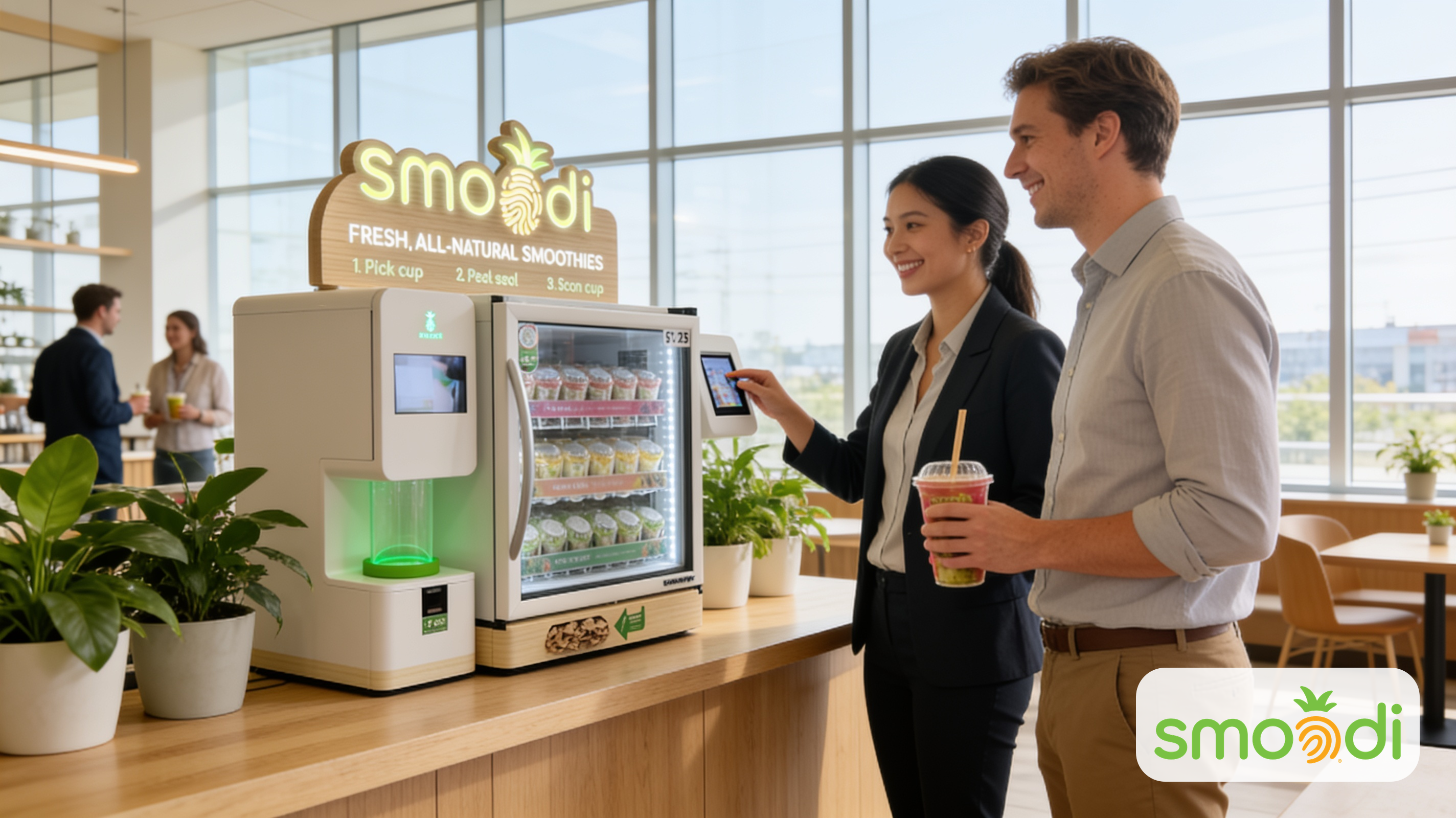
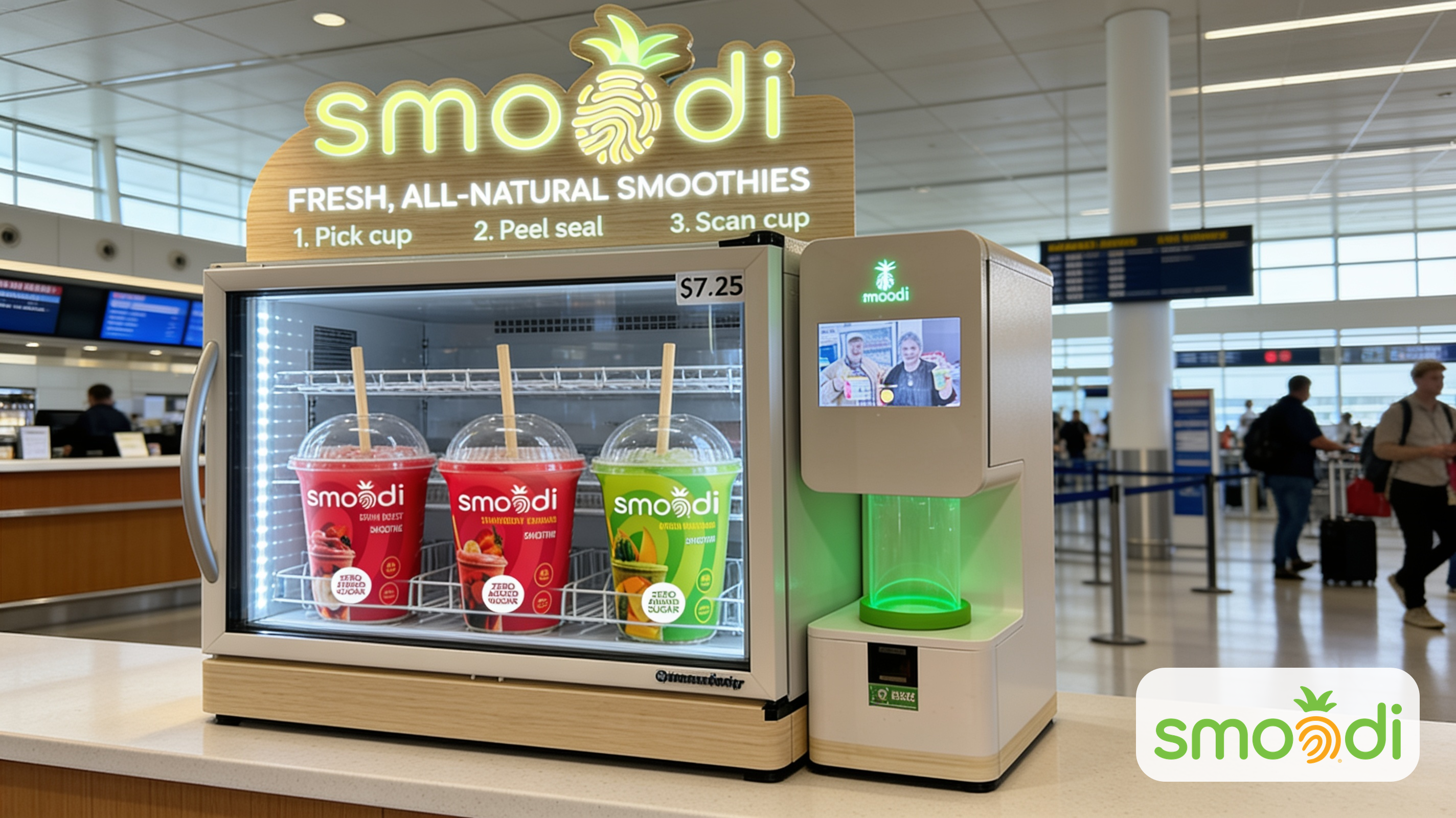
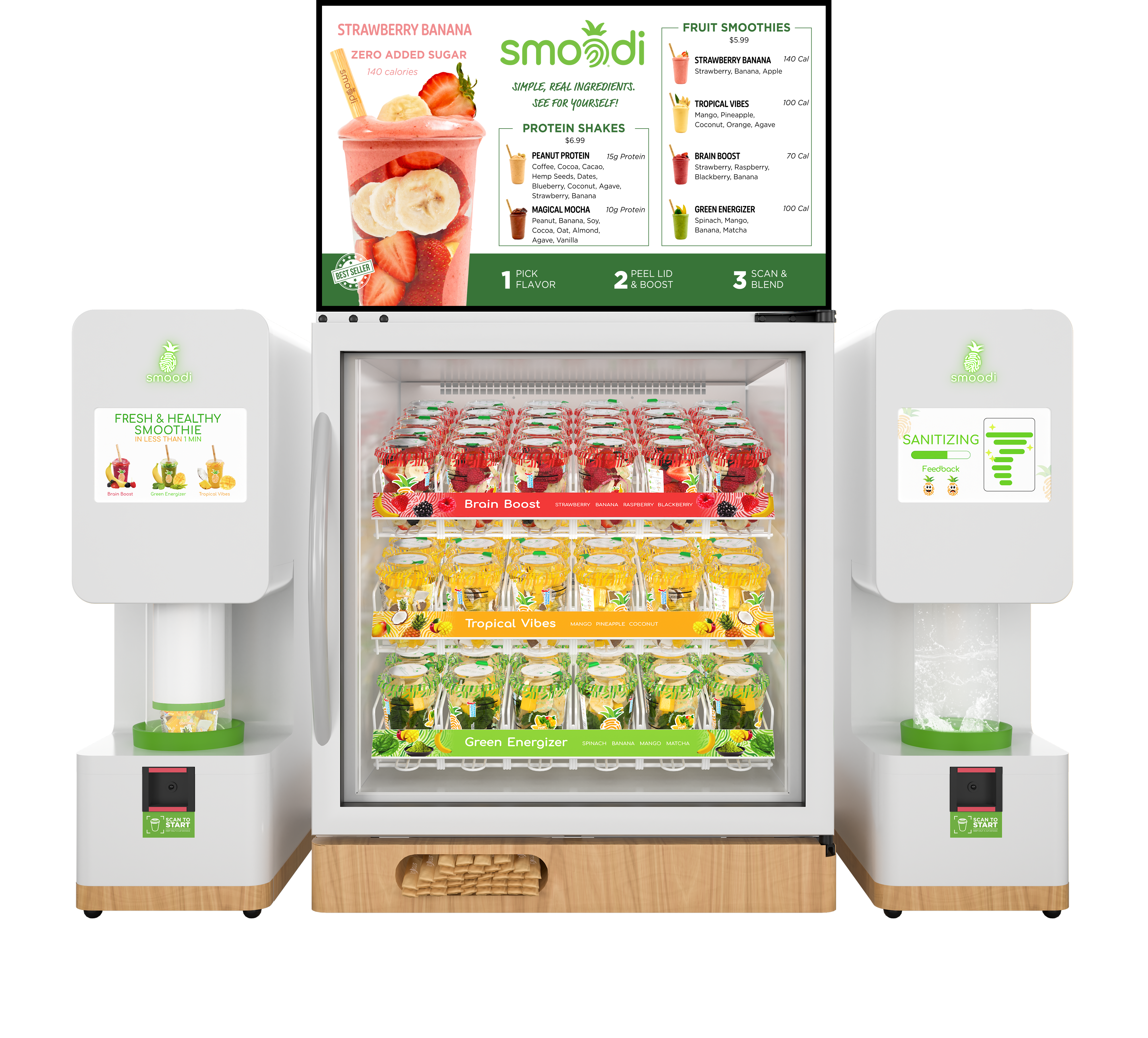
Smoodi addresses these inefficiencies with the world's first self-serve robotic smoothie machine. The system utilizes 16 oz recyclable cups made with recycled PET plastic, containing real frozen fruit pre-portioned at the source. Because the fruit is already prepared, the DataIntelo IQF Fruits Market Report estimates that IQF fruits can reduce preparation labor costs by 35% to 50% compared to fresh fruit handling.
The Smoodi machine operates on a self-serve model, meaning there is no on-site labor required beyond restocking cups and keeping surfaces clean. This campus smoothie program food cost reduction is further enhanced by the machine's efficiency; blending takes under 60 seconds, with the entire process from start to finish taking about 90 seconds.
Eliminating Spoilage and Shrink
Fresh produce is highly perishable. The USDA Economic Research Service reported that the overall average supermarket loss rate for fresh fruit was 12.6 percent for 2011–12, with some commodities such as fresh papayas reaching loss rates of 43.1 percent.
Smoodi eliminates this risk. The pre-portioned cups have a shelf life of two years from harvest when kept frozen. The website states this means zero food waste and spoilage, providing a defensible budget model for dining directors who must account for every cent of their produce spend.
Optimizing Dining Hall Budget Automation
As meal plan costs rise, students and administrators are under pressure to find value without sacrificing nutrition. Education Loan Finance (ELFI) reports that the average cost of the lowest-cost meal plan for first-year students was $5,656 for the 2025–2026 academic year, an increase of about 26% before inflation adjustments.
Implementing dining hall budget automation through Smoodi allows universities to offer dietitian-approved, healthy options without increasing staffing costs. The machine's cloud dashboard provides real-time data on sales, inventory, and machine health, allowing for predictive maintenance and precise inventory management.
To ensure high throughput during peak campus hours, universities are advised to use two machines. This setup maintains a consistent 60-second cycle, preventing long queues while keeping the operational footprint small (approximately 40 in wide x 33 in high x 30 in deep).
Comparing Frozen Fruit Smoothie Foodservice Cost Structures
When analyzing the frozen fruit smoothie foodservice cost, the advantages of the Smoodi model become clear across three primary categories: labor, waste, and procurement.
- Labor: Traditional programs require dedicated staff for prep and service. Smoodi requires no labor for production, as guests scan the barcode and the machine handles the blending.
- Waste: Fresh fruit programs face high shrink rates. Smoodi's two-year shelf life and sealed cups eliminate spoilage.
- Procurement: Instead of managing volatile fresh produce contracts, Smoodi cups are purchased through existing food distributors such as Sysco, US Foods, or Dot Foods.
The website says many partners price cups at $4.99–$7.99 and cite 40–50% gross margin. For a detailed analysis of potential returns, dining directors can utilize the ROI calculator.
Maintaining Health and Hygiene Standards
Automation does not come at the expense of cleanliness. Smoodi features a patented self-cleaning cycle that runs after every serve, and a deep sanitation cycle that runs automatically once per day overnight using food-safe sanitizers. The machine is NSF and UL certified, ensuring it meets rigorous industry standards.
The closed prep path minimizes cross-contact, and all allergen and nutrition information is labeled on every cup and displayed on the touch screen. This transparency is essential for campus environments where students have diverse dietary needs. Many flavors are plant-based and lactose-free, including the Brain Boost (70 cal, 7g fiber, zero added sugar) and the Green Energizer (100 cal, zero added sugar).
Implementing a Sustainable Beverage Program
Transitioning to an automated system is a streamlined process. The Smoodi team handles installation, meaning no outside contractor is needed. The machine requires standard 110-120V power, a 3/8 in push-to-connect water line at about 60 psi, drain access, and internet connectivity.
Typical go-live for a new deployment is about 4–6 weeks. According to the website, no food license is needed for the operation of the machine. This allows universities to deploy healthy options across various campus venues, from student unions to fitness centers, with minimal administrative friction.
To learn more about integrating this technology into your campus, visit Smoodi for Universities or order a machine today.
Conclusion
Managing a college dining food cost smoothie program requires a balance between nutritional quality and financial predictability. By replacing volatile fresh-fruit models with IQF-based automation, universities can eliminate seasonal price swings, reduce labor costs by up to 50%, and remove food waste and spoilage from the equation. Smoodi provides a scalable, dietitian-approved solution that empowers healthy habits while protecting the dining budget. Through stable procurement and zero-labor operation, campus dining directors can achieve a more predictable and profitable beverage program.
Ready to bring Smoodi to your location?
Join hundreds of operators delivering fresh, automated smoothies with zero labor.
Get Started