Why Are Country Clubs Investing in Wellness F&B?
Country clubs are transforming their food and beverage programs around wellness. Wellness-driven amenities boost retention, attract families, and automated smoothie solutions fit naturally into the modern club experience.
The private club industry is in the middle of a significant shift. For decades, country clubs built their reputations on golf, fine dining, and social events. Today, a new priority is reshaping how clubs compete for members: wellness. From recovery lounges and cold plunge pools to plant-forward menus and functional beverages, clubs are investing in amenities that reflect how their members actually want to live. Food and beverage programs sit at the center of this transformation, and the clubs that adapt fastest are seeing measurable results in retention, revenue, and membership growth.
What Is Driving the Wellness Movement in Private Clubs?
The shift toward wellness is not a passing trend. According to the Global Wellness Institute, over 80% of consumers now prioritize wellness in their lifestyle decisions. That statistic extends directly into how people choose where to spend their leisure time and their membership dollars. Members increasingly expect their club to support a holistic lifestyle, not just provide a place to play 18 holes and eat a steak dinner.
Golf Inc.'s 2026 Amenity of the Year competition underscores the point. The finalists and winners consistently feature wellness-driven additions: fitness centers with recovery services, spa facilities, nutrition-focused dining concepts, and functional beverage stations. These are not luxury add-ons. They are becoming baseline expectations for clubs that want to attract and retain the next generation of members.
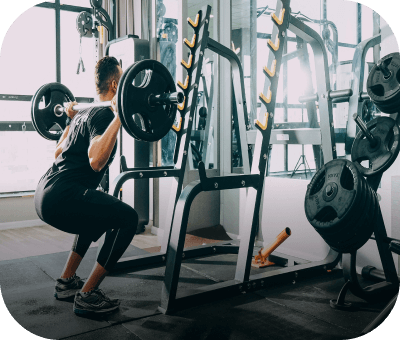
Progressive clubs are now building what industry leaders call a "full wellness journey." A member arrives for a morning workout, moves to a recovery area, grabs a protein smoothie, eats a healthy lunch, plays a round of golf, and finishes with a cool-down session. All without leaving the property. This integrated approach turns a club from a single-purpose destination into a daily lifestyle hub.
How Does Wellness-Focused F&B Impact Member Retention?
Retention is the lifeblood of any private club. Acquiring a new member costs significantly more than keeping an existing one, and clubs with high turnover face constant pressure on dues revenue and capital reserves. The data suggests that wellness-oriented amenities, including food and beverage, directly influence whether members stay.
Clubs with integrated wellness offerings report up to 20% higher retention rates compared to those relying on traditional amenity packages. The reason is straightforward: when a club becomes part of a member's daily routine (not just an occasional weekend outing), the perceived value of membership increases. A member who visits three or four times per week for fitness, meals, and social activities is far less likely to resign than one who visits twice a month for golf.
Food and beverage minimums at U.S. country clubs average $2,500 per family annually. Wellness-driven F&B options give members more reasons to spend that minimum in ways that align with their values. Instead of feeling obligated to order items they do not want, members actively seek out smoothies, grain bowls, and protein-forward snacks. This turns a potential source of friction into a genuine benefit.
Why Are Family Memberships Growing at Wellness-Oriented Clubs?
One of the most promising trends in private clubs is the growth in family memberships. Clubs that have added wellness wings, youth fitness programs, and health-focused dining options report a 30% increase in family memberships. Younger families are looking for environments where every member of the household, from teenagers to grandparents, can find something meaningful to do.
Wellness-driven food and beverage plays a specific role here. Parents want healthy options available for their children. Teen and young adult members gravitate toward smoothie bars, protein shakes, and functional beverages after sports practices and swim meets. When a club can offer these options with quality and consistency, it becomes a daily destination for the entire family, not just the primary member.
This matters financially as well. Family memberships typically carry higher dues and higher F&B spend. When those families use the club more frequently because of wellness amenities, the lifetime value of each membership increases substantially.
What Beverage Trends Are Reshaping Club Menus?
The beverage landscape at private clubs has changed dramatically. Low- and no-alcohol beverages, wellness drinks, and protein-forward options are now standard at leading clubs. Members are requesting functional ingredients like collagen, adaptogens, and plant-based proteins alongside their traditional menu selections.
Smoothies and blended beverages occupy a unique position in this trend. They appeal across demographics, from post-workout recovery drinks to afternoon snacks to kid-friendly options at the pool. They also carry strong margins compared to many traditional bar offerings, particularly when the club can control ingredient quality and reduce labor costs.
The challenge for most clubs has been execution. Traditional smoothie bars require dedicated staff, fresh ingredient inventory, daily prep, and constant cleaning. The labor costs and food waste make it difficult to justify the investment, especially in clubs where F&B operations are already stretched thin. For a deeper look at how smoothie programs can generate consistent returns, visit getsmoodi.com/roi.
How Can Clubs Add a Smoothie Program Without Adding Labor?
This is where automation changes the equation. Smoodi's automated smoothie machines allow clubs to offer a full smoothie bar experience without the staffing burden. Each machine blends a fresh smoothie in under 60 seconds and self-cleans between every use. Members simply select a flavor, and the machine handles the rest.
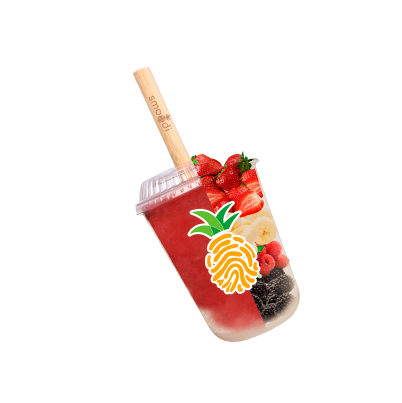
Smoodi uses IQF (individually quick frozen) fruit cups blended with water only. There are no syrups, concentrates, or artificial ingredients. The cups have a shelf life of up to 2 years, which eliminates the fresh produce spoilage that makes traditional smoothie bars so costly to operate. Distribution runs through Dot Foods, simplifying the supply chain for clubs that already work with broadline distributors.
"I have been looking to add a smoothie bar for years but did not want to deal with the labor and food waste. Having smoodi in our facility is a huge benefit for our members."
— Adam Healy, General Manager, Waverly Oaks Athletic Club
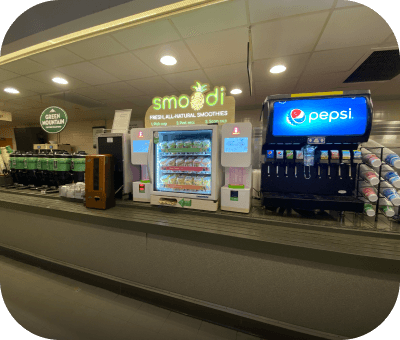
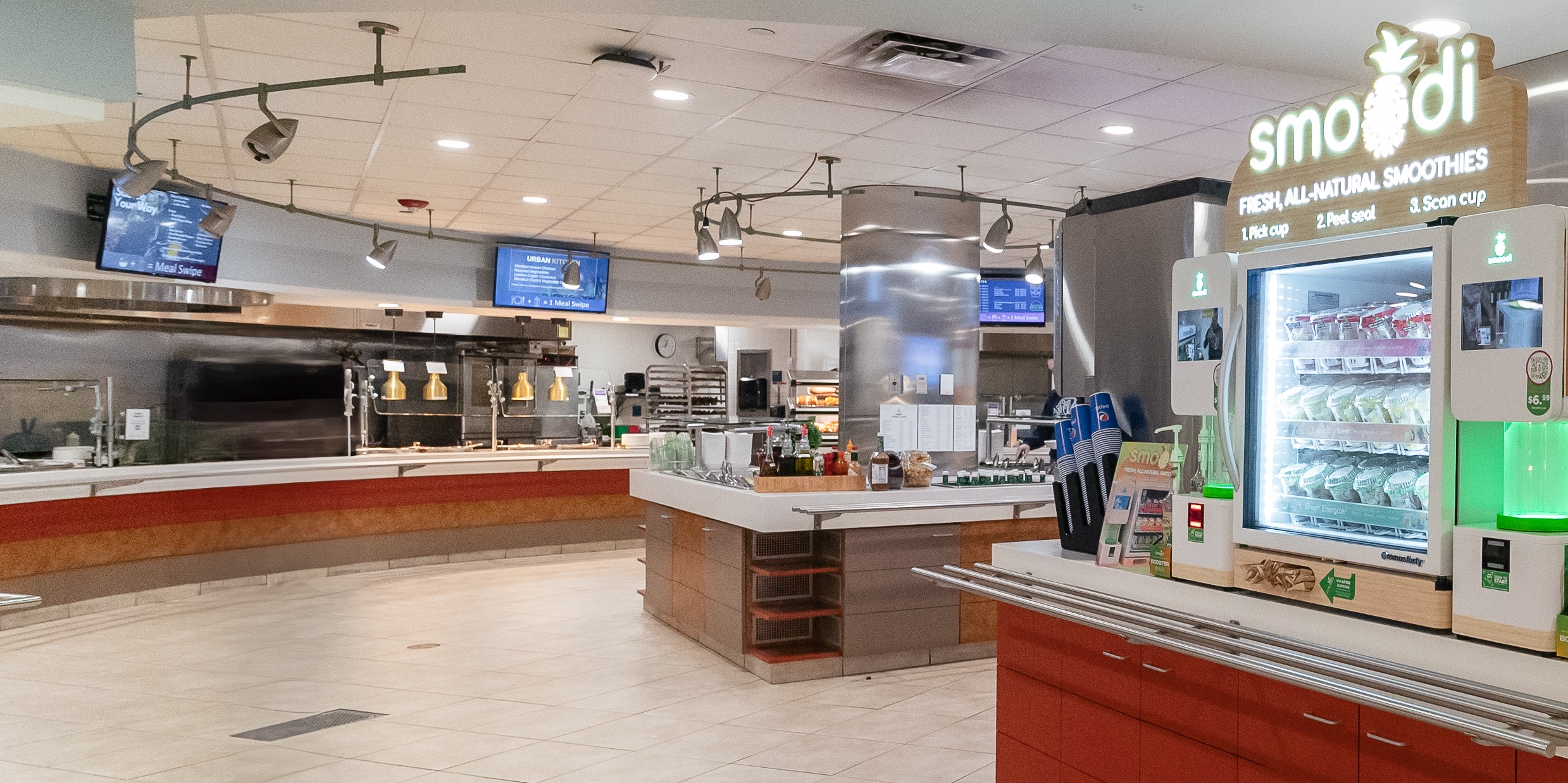
With over 300 locations across the United States and more than 2 million smoothies served, Smoodi has proven the model works in high-traffic, quality-conscious environments. The machine requires roughly 40 inches of floor space, making it easy to place near a fitness center, pool area, golf pro shop, or casual dining space. An optional booster bar lets members add protein powder, collagen, and other functional supplements to customize their drinks.
Where Does a Smoothie Station Fit in the Club Experience?
Placement matters. The most successful club installations position smoothie machines at natural transition points in the member journey. Near the fitness center exit, members can grab a post-workout recovery drink without waiting in line at the main dining room. By the pool, families can order smoothies for their children between swim sessions. In the golf shop or halfway house, players can fuel up during a round.
Because Smoodi machines are compact and self-contained, clubs can install units in multiple locations without duplicating kitchen infrastructure. A club might place one machine near the gym, another by the pool, and a third in the casual dining area. Each operates independently, blending on demand with no shared prep station required. For insights on how seasonal programming maximizes smoothie revenue across these locations, explore Smoodi's seasonal revenue strategies at getsmoodi.com/blog.
This distributed model also helps clubs capture revenue at times and places where traditional F&B service is not available. Early morning workouts, late afternoon tennis matches, and weekend swim meets all become revenue opportunities without extending staff hours.
What Is the Financial Case for Wellness F&B Amenities?
Club boards and general managers need to justify every capital and operating expenditure. Wellness F&B investments can be evaluated on several dimensions: member retention (reducing the cost of turnover), new member acquisition (especially families), F&B minimum satisfaction (reducing member frustration), and direct revenue from sales.
- Clubs with wellness amenities report up to 20% higher member retention rates
- Family memberships increase by up to 30% when wellness programming is available
- Automated smoothie programs eliminate labor costs associated with traditional smoothie bars
- IQF fruit cups with a 2-year shelf life virtually eliminate ingredient waste
- Smoodi's operational lease starts at $299 per month, with purchase options beginning at $14,999
The lease model is particularly relevant for clubs evaluating new amenities. An operational lease starting at $299 per month allows a club to test member demand with minimal financial risk. Smoodi retains ownership of the machine and provides full service, so the club avoids capital expenditure and maintenance concerns. For clubs ready to commit, purchase options start at $14,999.
How Does Post-Workout Nutrition Connect to the Club Experience?
Members who invest in fitness expect their club to support their recovery and nutrition goals. A smoothie made from real frozen fruit, with the option to add protein or collagen, fits naturally into a post-workout routine. The science behind post-workout nutrition supports consuming a blend of carbohydrates and protein within 30 to 60 minutes of exercise for optimal recovery. For a closer look at the research behind post-workout smoothie timing and ingredients, read the post-workout smoothie science breakdown at getsmoodi.com/blog.
When a club makes this kind of nutrition accessible and convenient, it reinforces the message that the club cares about members' health outcomes, not just their social calendar. That alignment between values and experience is what drives the retention numbers.
What Should Club Leaders Consider When Evaluating Wellness F&B?
For general managers, food and beverage directors, and club boards exploring wellness-driven F&B, a few factors deserve attention.
- Member demand: Survey members about their interest in healthy beverage options and functional nutrition. The data consistently shows strong demand across age groups.
- Operational simplicity: Choose solutions that do not add labor or complexity. Automated options reduce training requirements and staffing pressure.
- Ingredient transparency: Members at private clubs expect premium quality. Solutions that use real, whole ingredients with no artificial additives align with those expectations.
- Placement flexibility: Look for options that can serve multiple areas of the club without requiring dedicated kitchen space.
- Financial flexibility: Lease models allow clubs to add amenities without large capital outlays, making it easier to pilot new concepts.
The clubs that move early on wellness F&B are not just following a trend. They are positioning themselves as lifestyle destinations that serve members' complete well-being. In a competitive market where members have more choices than ever, that positioning translates directly into retention, referrals, and revenue.
To explore how Smoodi can support your club's wellness vision, visit getsmoodi.com/get-started for a private club consultation.
Ready to bring Smoodi to your location?
Join hundreds of operators delivering fresh, automated smoothies with zero labor.
Get Started