Is Frozen Fruit as Nutritious as Fresh?
Frozen fruit is often dismissed as less nutritious than fresh. Research tells a different story. IQF freezing locks in vitamins and minerals at peak ripeness.
A common assumption in both consumer and foodservice settings is that fresh fruit is inherently more nutritious than frozen. This belief influences purchasing decisions, menu planning, and how operators evaluate smoothie programs. But the assumption does not hold up against the available nutrition science. Research consistently shows that frozen fruit, particularly fruit processed through individually quick frozen (IQF) technology, retains comparable or superior nutrient density to fresh fruit that has spent days in transit, cold storage, and retail display.
Understanding the science behind IQF freezing matters for foodservice operators evaluating smoothie programs, for nutrition professionals advising patients on dietary choices, and for consumers making decisions about their daily fruit intake.
How IQF Freezing Preserves Nutrients
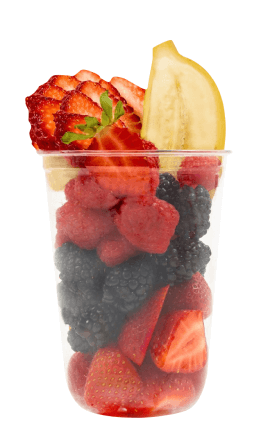
Individually quick frozen processing works by freezing fruit within hours of harvest at temperatures of negative 30 to negative 40 degrees Fahrenheit. At these temperatures, ice crystals form so rapidly that they remain small and do not rupture the cellular structure of the fruit. This is the critical difference between IQF and conventional slow freezing, where larger ice crystals can damage cell walls and lead to texture degradation and nutrient loss during thawing.
Because the fruit is harvested at peak ripeness and frozen almost immediately, the nutritional profile at the moment of freezing reflects the fruit's maximum nutrient potential. Vitamins, minerals, antioxidants, and fiber are locked in at the point when the fruit is most nutritious, not after days of transportation and shelf time.
The IQF process also preserves flavor and color more effectively than conventional freezing methods. The intact cell structure means the fruit maintains its natural sweetness and vibrancy without the need for added sugars, syrups, or artificial preservatives to compensate for quality lost during processing.
What the Research Shows
Multiple peer-reviewed studies have examined the nutrient retention of frozen versus fresh fruit, and the findings are consistent across research groups and methodologies.
A widely cited study published in the Journal of Food Composition and Analysis compared the vitamin content of fresh and frozen blueberries, strawberries, and other common fruits. The researchers found that frozen fruit retained vitamin C, vitamin A, and folate at levels comparable to, and in some cases higher than, fresh fruit that had been stored under standard retail conditions for three to seven days after harvest.
Vitamin C is particularly sensitive to degradation from heat, light, and oxygen exposure. Fresh strawberries stored at standard refrigerator temperatures lose a measurable percentage of their vitamin C content within 48 hours of harvest. By contrast, IQF frozen strawberries tested after months of frozen storage showed minimal vitamin C degradation. One study found that IQF frozen fruit retained up to 51 percent more vitamin C than fresh fruit that had been stored for two days under typical supply chain conditions.
Antioxidant compounds, including anthocyanins in blueberries and polyphenols in mixed berries, showed similar patterns. Freezing preserves antioxidant activity effectively, while fresh fruit experiences measurable antioxidant decline during the days between harvest, distribution, and consumption.
Fiber content, mineral content (including potassium, magnesium, and iron), and macronutrient profiles (carbohydrates, protein, fat) are largely unaffected by freezing. The nutritional differences between fresh and frozen fruit are concentrated in the water-soluble vitamins and antioxidants, and in those categories, frozen fruit often performs better than fresh fruit that has been in the supply chain for multiple days.
Why Fresh Fruit Loses Nutritional Value
The fresh fruit supply chain introduces several points of nutrient degradation that consumers and operators rarely account for.
First, commercial fresh fruit is often harvested before peak ripeness to extend its shelf life during transportation. Fruit picked early has not yet developed its full complement of vitamins and antioxidants, which means it starts the supply chain at a nutritional disadvantage compared to vine-ripened or tree-ripened fruit.
Second, transportation and distribution expose fresh fruit to temperature fluctuations, light, and oxygen, all of which accelerate the degradation of heat-sensitive and light-sensitive vitamins. A strawberry that travels from a California farm to a university dining hall on the East Coast may spend three to five days in transit, followed by one to three days in cold storage before it reaches a student's smoothie.
Third, once fresh fruit arrives at the foodservice facility, it continues to lose nutrients during refrigerated storage, during the time it sits at room temperature during prep, and during the minutes between cutting and blending. Each of these exposures is individually small, but they compound across the full supply chain.
By contrast, IQF fruit skips the extended supply chain entirely. It is frozen within hours of harvest and remains frozen until the moment of use, whether that is two weeks or two years later. The nutrient profile at the point of consumption closely mirrors the nutrient profile at the point of harvest.
What This Means for Commercial Smoothie Programs
For foodservice operators, the fresh-versus-frozen distinction has practical implications beyond nutrition.
Operators using fresh fruit must manage a complex supply chain: frequent deliveries (often three to five times per week), daily quality inspections, short shelf life that creates spoilage risk, and prep labor for washing, cutting, and portioning. Industry data indicates that fresh-fruit smoothie programs experience 15 to 30 percent ingredient waste by volume. That waste represents both a financial cost and a nutritional opportunity cost, the wasted fruit contained nutrients that never reached a customer.
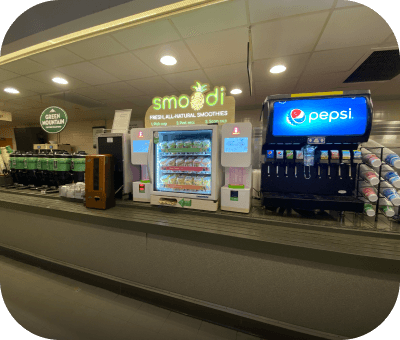
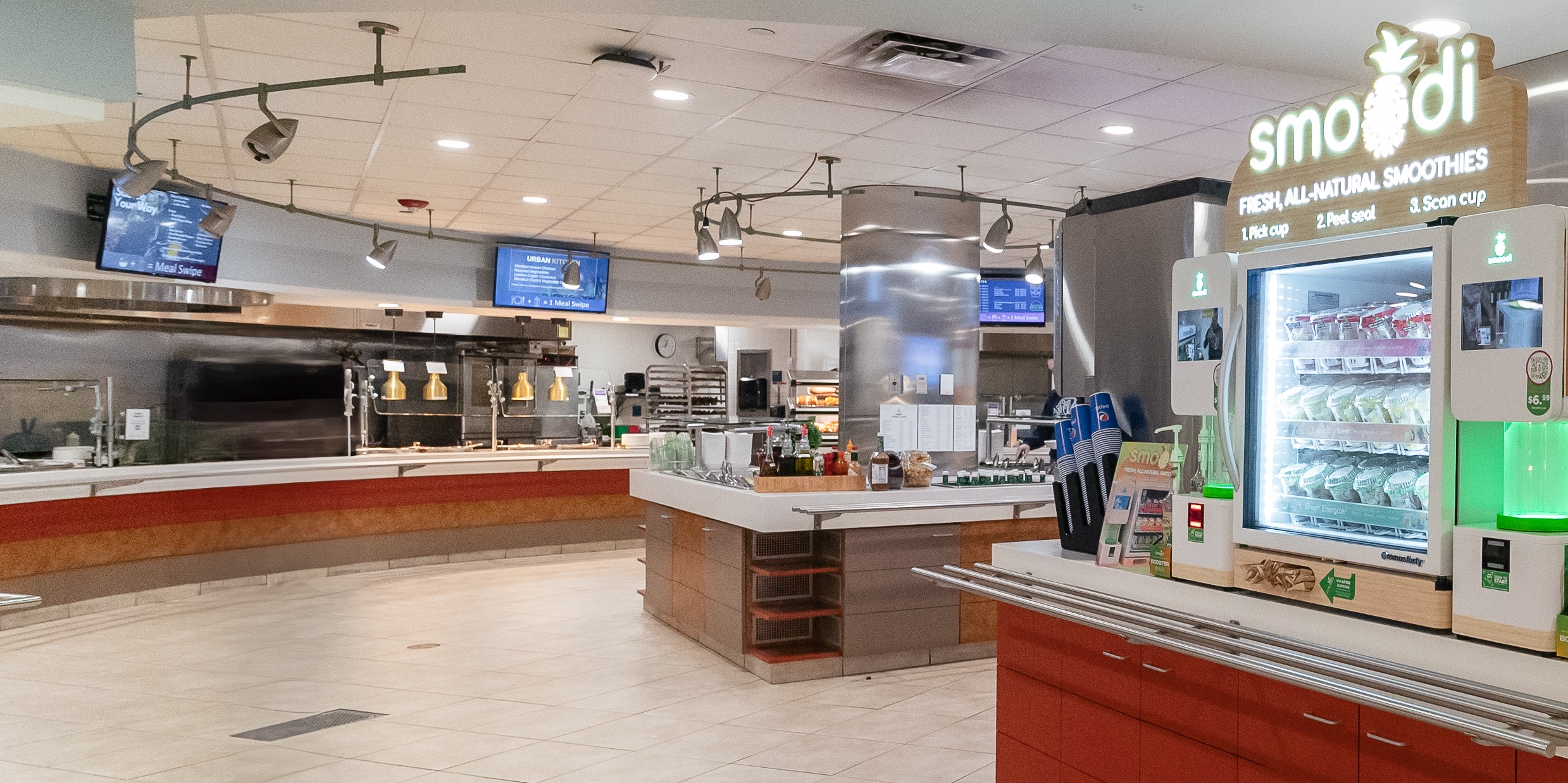
Smoodi's automated smoothie machines use IQF frozen fruit cups with a shelf life of up to two years, distributed through Dot Foods across the United States. Each cup is pre-portioned and sealed, eliminating prep labor, reducing waste to near zero, and ensuring that the nutritional content of every smoothie is consistent from the first blend of the day to the last. Smoodi operates in more than 300 locations, including hospitals where dietary consistency is a regulatory consideration and universities where students depend on reliable post-workout nutrition.
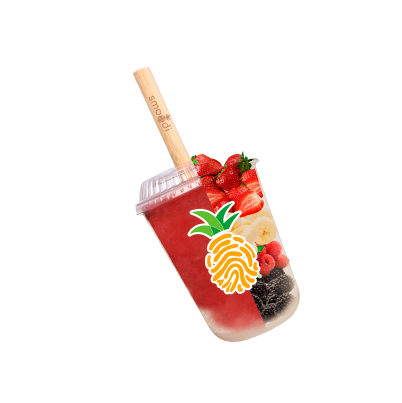
The machine blends a smoothie in under 60 seconds using only the IQF fruit cup and water, no syrups, no concentrates, no artificial ingredients. Operators and consumers can be confident that the smoothie is a genuine whole-fruit product with the full nutritional profile preserved by the IQF process.
Making Informed Nutrition Decisions
The perception that fresh is always better than frozen is understandable but not supported by the evidence. For consumers choosing between a smoothie made with fresh fruit that was harvested five days ago and a smoothie made with IQF fruit that was frozen within hours of harvest, the frozen option frequently delivers equal or superior nutrition.
For operators evaluating smoothie programs, the IQF supply chain offers a combination of nutritional integrity, operational simplicity, and cost predictability that fresh-ingredient programs struggle to match. To explore Smoodi's all-natural IQF smoothie menu, visit getsmoodi.com/flavors. To learn how Smoodi fits into your facility's nutrition program, visit getsmoodi.com/get-started.
Ready to bring Smoodi to your location?
Join hundreds of operators delivering fresh, automated smoothies with zero labor.
Get Started