What Do Gen Z Students Want from Campus Beverages?
Gen Z ranks smoothies as the #1 campus food request at 26%. High-protein and clean-label preferences are reshaping how universities approach beverage programs in 2026.
Gen Z students are the defining demographic on college campuses in 2026, and their food and beverage preferences are reshaping how universities approach dining programs. The data is decisive: smoothies rank as the number one most-requested item on college campuses at 26%, according to the Chartwells Higher Education Campus Dining Index 2026. High-protein dining is the top priority for 28% of students, up 36% year over year. Interest in clean, minimally processed foods saw the largest increase of any dietary preference, rising 40%. For university dining directors evaluating beverage program additions, understanding what this generation wants is essential to making the right investment.
What Are Gen Z's Top Beverage Preferences in 2026?
Research from the Chartwells Campus Dining Index and Tastewise trend data reveals a consistent pattern in Gen Z beverage preferences. Students are moving beyond basic hydration and standard juice offerings toward beverages that deliver functional benefits: energy support, mental clarity, gut health, and protein. Tastewise data shows that energy-supporting ingredients drive 42.9% of Gen Z food interest, mental clarity ingredients drive 39.14%, and gut health ingredients drive 38.37%.
This shift reflects a generational approach to nutrition that treats food and beverages as functional tools for performance, recovery, and daily wellness. Gen Z consumers research ingredients, read labels, and actively seek products that align with their health goals. On campus, this translates to demand for beverages that do more than taste good. Students want beverages that contribute to their physical and cognitive performance throughout the academic day.
The National Restaurant Association's 2026 'What's Hot' report reinforces this direction, identifying healthier functional beverages as a top trend across all foodservice segments. On campus, this trend is amplified by Gen Z's digital fluency and their willingness to try new formats, including self-service technology that gives them control over customization and ingredient selection.
Why Is High Protein the Leading Campus Dining Priority?
High-protein dining holds the top spot among Gen Z campus preferences at 28%, with a 36% year-over-year increase. This reflects the broader fitness and wellness culture that Gen Z has embraced more fully than any prior generation. Campus recreation centers see record utilization. Fitness content dominates the social media platforms where students spend their time. The connection between protein intake and athletic performance, muscle recovery, and sustained energy is well understood by this demographic.
For campus dining operators, the protein priority creates a specific product gap. Traditional dining halls offer protein through entrees at meal times, but students want protein-rich options between meals and around workouts. A smoothie with a protein booster fills this gap with a format that is portable, quick, and available on demand. The booster bar model, where students can add protein powder, collagen, or other supplements to a base smoothie, aligns directly with Gen Z's preference for customizable, protein-forward nutrition.
How Does Clean Label Demand Shape Beverage Choices?
Clean label interest among Gen Z rose 40% in 2026, the largest increase of any dietary preference category. At its core, Gen Z defines clean label as minimally processed ingredients with recognizable names. No syrups. No concentrates. No artificial colors or flavors. No ingredient lists that require a chemistry degree to understand.
This preference directly affects which beverage products succeed on campus. Bottled smoothies with stabilizers, preservatives, and added sugars fail the clean label test regardless of their branding. Fountain beverages with artificial flavoring fail it. Even some fresh-blended smoothie bars fall short when they rely on flavored bases or sweetened yogurt mixes. The products that meet Gen Z's clean label standard are those made from whole, identifiable ingredients with nothing added to extend shelf life or enhance flavor artificially.
What Functional Benefits Are Students Seeking?
Beyond protein and clean labels, Gen Z students are seeking specific functional outcomes from their food and beverage choices. The three dominant functional priorities identified by Tastewise are energy support (42.9%), mental clarity (39.14%), and gut health (38.37%). These are practical performance tools tied to daily campus routines, not abstract wellness concepts.
A student heading to a study session wants mental clarity support. A student finishing a workout wants recovery nutrition. A student between classes wants sustained energy without the crash that comes from sugary drinks. The demand for functional beverages on campus reflects these specific use cases, and the products that succeed are those that deliver measurable benefits through recognizable ingredients.
The broader university landscape reinforces this direction. Institutions like UC Riverside have pledged to reach 50% plant-based meals by 2027, reflecting both student demand and institutional commitment to health-forward dining. The functional beverage trend fits within this larger movement toward campus food programs that prioritize nutrition, sustainability, and student wellness outcomes.
How Does Smoodi Align with Gen Z Preferences?
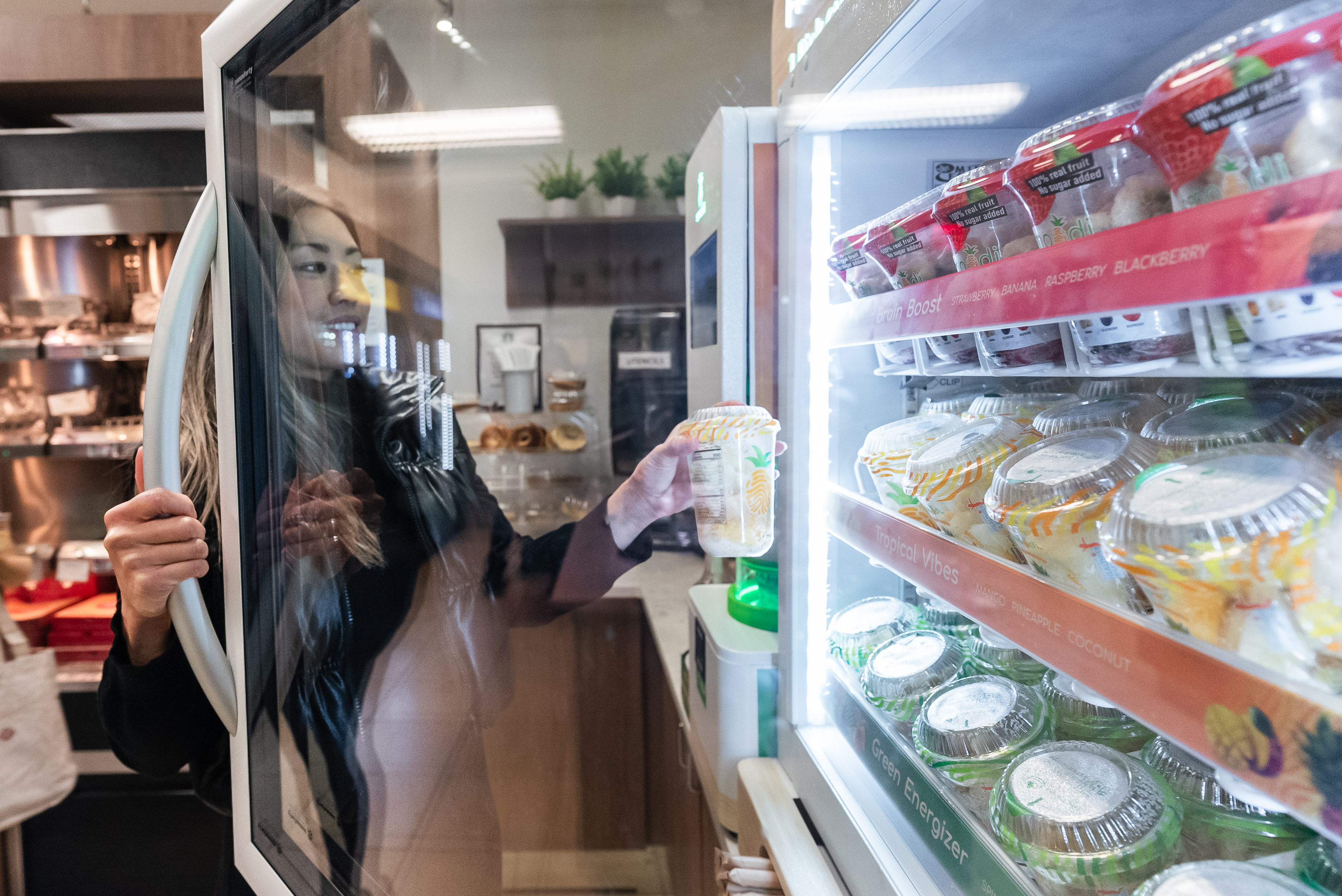
Smoodi's automated smoothie station maps to every top Gen Z beverage preference identified in the research. The machine blends IQF (individually quick frozen) whole fruit cups with water only. No syrups, concentrates, or artificial ingredients are used. This meets the clean label standard that drives 40% of Gen Z's dietary preference growth.
The booster bar offers protein powder, collagen, and functional supplements as add-ons, directly addressing the high-protein priority that 28% of students rank as their top dining concern. Students can customize their smoothie with the specific functional benefits they want: protein for post-workout recovery, collagen for wellness, or other supplements for sustained energy.
- Clean ingredients: IQF whole fruit blended with water only, no syrups, concentrates, or artificial ingredients
- High protein: booster bar with protein powder, collagen, and functional supplements
- Convenience: blends in under 60 seconds, self-service, no app or account required
- Customization: multiple smoothie flavors with optional booster add-ons via touchscreen
- Availability: self-service operation during all dining hall hours without dedicated staff
Smoodi operates in more than 300 locations across the United States, with over 2 million smoothies served. The company was founded at Harvard Innovation Labs. The operational lease starts at $299 per month for a 48-month term, with purchase options beginning at $14,999. IQF fruit cups have a shelf life of up to two years and are distributed nationally through Dot Foods.
"Campus dining is continuously evolving and as operators we have a rising bar to meet the needs of our guests. We've been able to provide a quality smoothie experience while leaning into a labor-saving technology."
— Dustin Peterson, Director of Retail Operations, Rochester Institute of Technology
What Does This Mean for University Dining Directors?
The data presents a clear opportunity for dining directors: the number one demographic on campus is asking for a product category that can be served through automation. Smoothies rank first in student requests. Protein ranks first in dietary priorities. Clean labels show the fastest growth. Functional beverages are the dominant format. A self-service smoothie station with customizable boosters addresses every priority simultaneously.
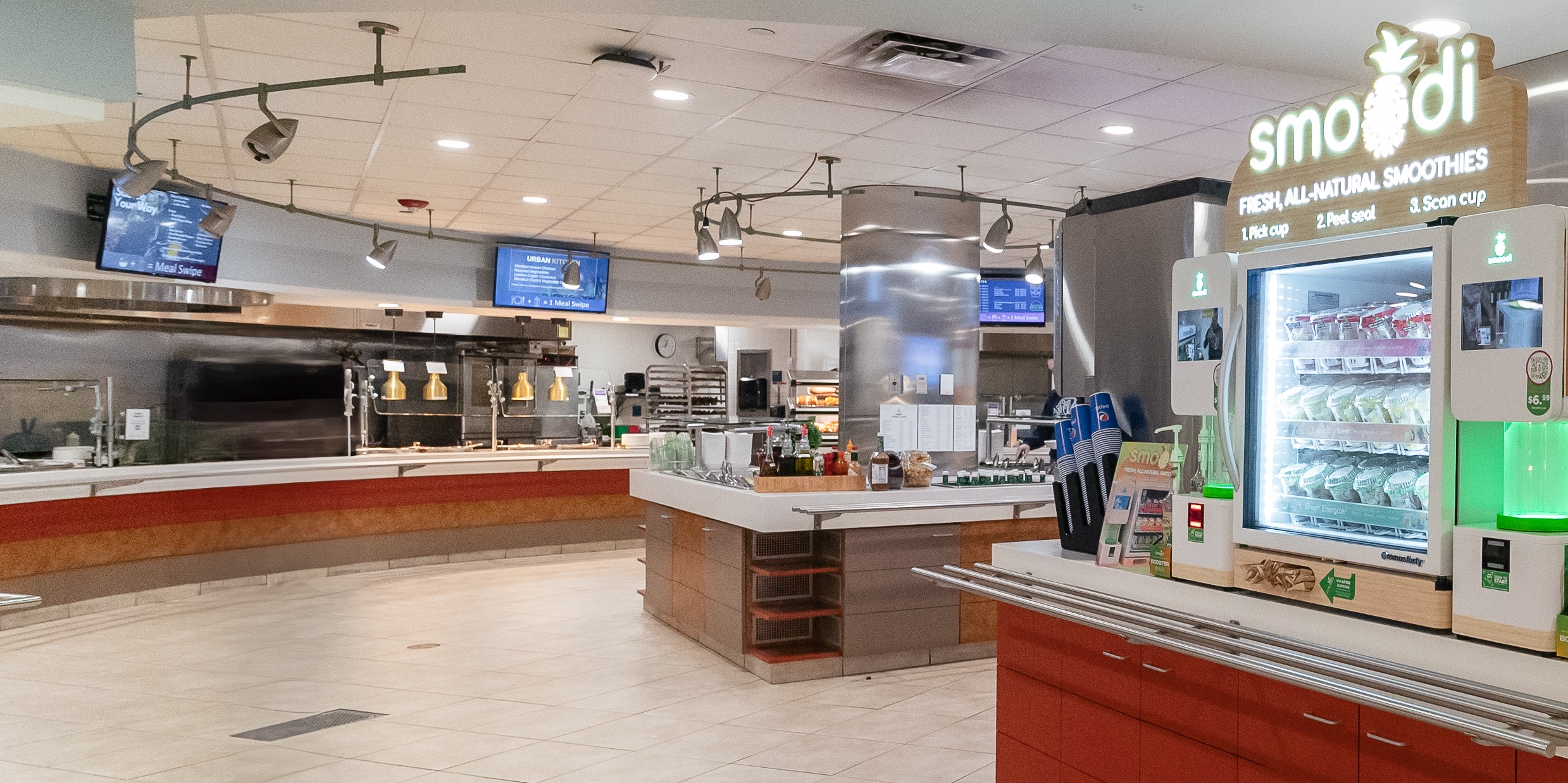
The operational model matters as much as the product. Campus dining operations face the same labor challenges as the broader foodservice industry, with student workers providing inconsistent coverage and trained staff increasingly difficult to recruit. A self-service station that requires no dedicated staff, self-cleans between every use, and occupies approximately 40 inches of floor space fits into existing dining hall layouts without displacing other food stations or adding headcount.
For dining directors who want to serve what their students are already asking for, visit getsmoodi.com/get-started to explore campus deployment options. To learn more about campus dining trends and smoothie demand data, visit the Smoodi blog for related research on university foodservice in 2026.
Ready to bring Smoodi to your location?
Join hundreds of operators delivering fresh, automated smoothies with zero labor.
Get Started