What Beverages Are GLP-1 Friendly for Foodservice?
With 18% of U.S. adults on GLP-1 medications and 42% of operators considering GLP-1-friendly menus, foodservice providers need beverages that meet the dietary requirements of this growing demographic.
GLP-1 receptor agonist medications have moved from a niche pharmaceutical category to a mainstream health trend that is reshaping how Americans eat. As of 2026, approximately 18% of U.S. adults are taking GLP-1 medications such as semaglutide and tirzepatide, up from 14% in 2025. J.P. Morgan projects the global GLP-1 market will reach $162 billion by 2031, with more than 30 million Americans using these medications by 2030. For foodservice operators, this is not a passing trend. It is a permanent shift in the dietary needs of a significant portion of their customer base.
According to Datassential, 42% of restaurant operators are already considering adding GLP-1-friendly menu items. Major chains have responded with dedicated menu sections featuring smaller portions, higher protein content, and zero added sugar. The beverage category, however, remains underserved. Most foodservice beverage programs still rely on options loaded with added sugars, artificial flavors, and syrups that are incompatible with GLP-1 dietary guidelines. This represents both a gap and an opportunity.
What Makes a Beverage GLP-1 Friendly?
GLP-1 medications work by slowing gastric emptying, reducing appetite, and improving insulin sensitivity. Users are medically advised to prioritize nutrient-dense foods and beverages that maximize nutritional value per calorie consumed. The dietary guidelines for GLP-1 users are specific and consistent across medical recommendations.
- High protein content: GLP-1 users need increased protein intake (typically 20 grams or more per serving) to prevent muscle loss during weight reduction. Protein also promotes satiety, which complements the appetite-suppressing effect of the medication.
- Zero added sugar: GLP-1 medications improve insulin sensitivity, making blood sugar management critical. Beverages with added sugars, syrups, or concentrates work against the medication's metabolic benefits.
- Whole food ingredients: Whole fruits provide fiber, vitamins, and phytonutrients that isolated juices and concentrates do not. Fiber slows sugar absorption and supports the gastrointestinal adjustments that GLP-1 users commonly experience.
- Controlled portions: GLP-1 users have reduced appetite and smaller stomach capacity. Smaller, nutrient-dense servings are more appropriate than large-format beverages.
- Functional add-ons: Collagen for joint and skin health, adaptogens for stress management, and additional protein sources are valued by this health-focused demographic.
A beverage that meets all five criteria, high protein, zero added sugar, whole food ingredients, controlled portions, and functional add-on availability, qualifies as GLP-1 friendly for foodservice purposes.
Why Are Protein-Rich Smoothies Ideal for GLP-1 Users?
Among beverage formats, protein-rich smoothies made from whole fruit check every box on the GLP-1 compatibility list. The whole-fruit base provides fiber, vitamins, and natural sweetness without added sugars. Protein boosters (whey, plant-based, or collagen) bring the protein content into the 20-gram-plus range that medical guidelines recommend. The blended format is easier to consume for GLP-1 users who experience reduced appetite and occasional nausea, a common side effect during the first weeks of treatment.
Major smoothie chains have already recognized this alignment. Smoothie King launched a dedicated GLP-1 support menu in late 2025, featuring smoothies with 20 grams or more of protein and zero added sugar. The menu was developed in collaboration with registered dietitians and targets the specific nutritional needs of GLP-1 users. This validates the format: when a national chain builds an entire product line around GLP-1 compatibility, the category demand is real and growing.
The challenge for most foodservice operators, however, is execution. A staffed smoothie bar can produce GLP-1-friendly beverages, but it requires trained staff who understand the dietary restrictions, ingredient sourcing that eliminates syrups and concentrates, and portion control that maintains consistency across servings. For operators without dedicated beverage staff, the execution barrier is significant.
How Does Smoodi Fit GLP-1 Dietary Guidelines?
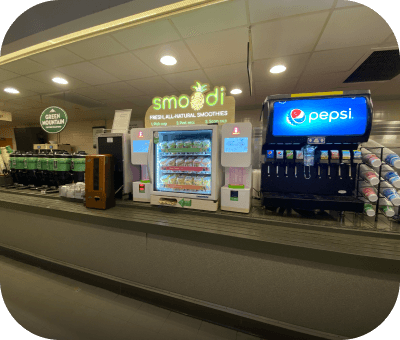
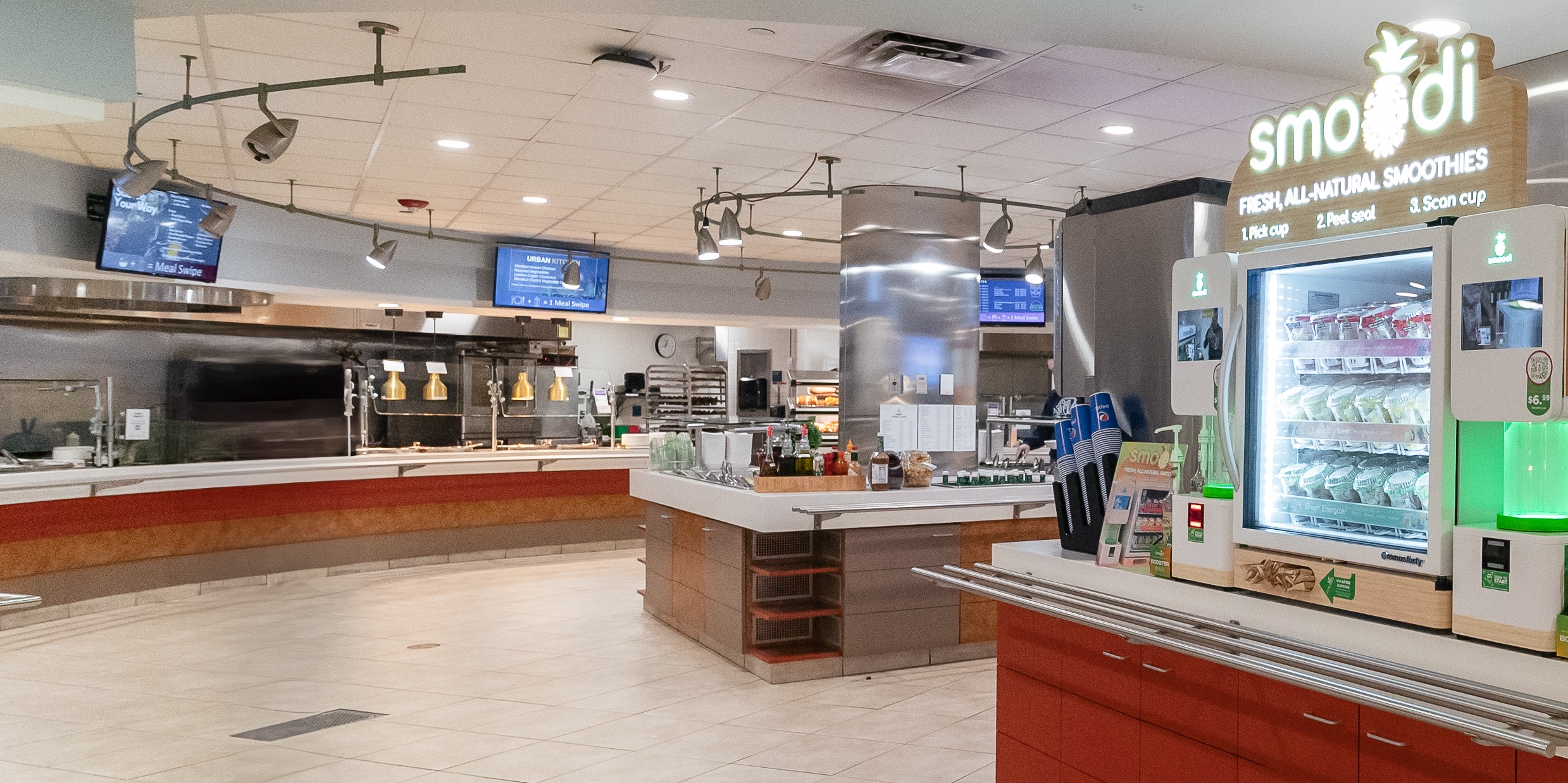
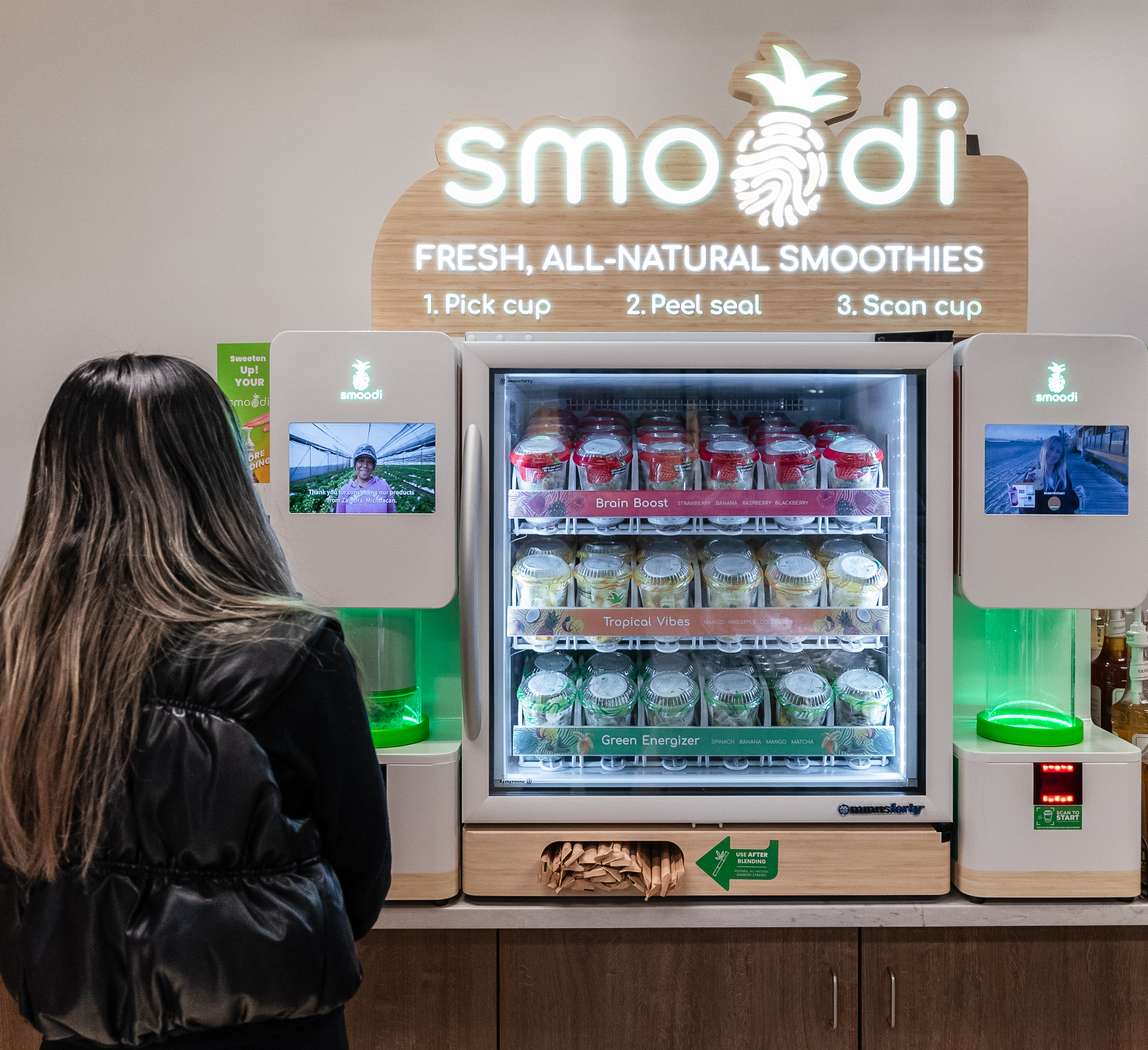
Smoodi's automated smoothie station produces beverages that are GLP-1 compatible without any menu modification or special configuration. The product design inherently meets every GLP-1 dietary criterion.
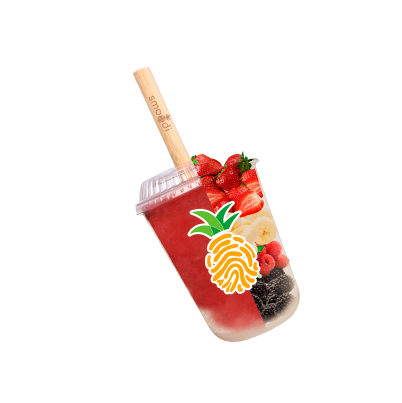
Smoodi's smoothies are made from IQF (individually quick frozen) whole fruit blended with water only. The machine uses no syrups, concentrates, or artificial ingredients. Zero added sugar. The fruit cups contain whole fruit that retains its fiber, vitamins, and natural nutrient profile. The portions are controlled and consistent because every serving uses the same pre-portioned cup and the same blending process.
The booster bar provides the protein and functional supplement options that GLP-1 users specifically need. Protein powder can bring the serving into the 20-gram-plus range recommended for GLP-1 users. Collagen supports joint and skin health, which is relevant for users experiencing rapid weight changes. These add-ons are self-service, requiring no staff involvement and no special knowledge to operate.
This is an important distinction: Smoodi's product is not being retrofitted or modified to serve GLP-1 users. It is already GLP-1 compatible by design. Operators do not need to change their menu, retrain staff, source new ingredients, or add equipment. The product they are already serving meets the dietary needs of this growing demographic.
What Revenue Opportunity Does the GLP-1 Demographic Represent?
The GLP-1 demographic is not just large. It is high-value for foodservice operators. CNBC reporting indicates that GLP-1 users spend more per foodservice visit than non-users because they are actively seeking quality over quantity. They are willing to pay a premium for beverages that align with their dietary requirements, particularly options with added protein and functional ingredients.
The math is straightforward. If an operator's location serves 200 customers per day and 18% of the general population is on GLP-1 medications, approximately 36 of those daily customers have specific dietary needs that most beverage programs fail to address. A smoothie station that visibly meets those needs (whole fruit, zero added sugar, protein boosters available) captures demand that would otherwise leave the building.
The booster bar creates additional revenue per serving. Operators who offer protein or collagen add-ons can charge $1 to $2 per booster on top of the base smoothie price, increasing the revenue per transaction while delivering exactly what the GLP-1 customer is looking for.
How Can Operators Position Their Beverage Program for GLP-1 Users?
Operators do not need to overhaul their food program to serve GLP-1 users effectively. The most impactful steps are straightforward.
- Offer at least one beverage option with zero added sugar, whole food ingredients, and available protein fortification.
- Display nutritional information prominently. GLP-1 users are actively reading labels and comparing options.
- Highlight protein content and the absence of syrups and concentrates. These are the two attributes GLP-1 users evaluate first.
- Position the beverage station in a visible, accessible location. GLP-1 users are looking for compliant options and will choose the one that is easiest to identify and access.
Smoodi operates in more than 300 locations across the United States, with over 2 million smoothies served. The company was founded at Harvard Innovation Labs. The IQF fruit cups have a shelf life of up to two years, are distributed through Dot Foods, and produce identical smoothies at every location. The operational lease starts at $299 per month for a 48-month term, with purchase options starting at $14,999.
"Now we have healthy options available here in the cafeteria, and patients and even doctors are loving this."
— Dr. Nish Patel, Interventional Cardiologist, Baptist Health Miami
Smoodi's whole-fruit smoothies with protein boosters are GLP-1 compatible out of the box. To explore options for your operation, visit getsmoodi.com/get-started.
Ready to bring Smoodi to your location?
Join hundreds of operators delivering fresh, automated smoothies with zero labor.
Get Started