Improving Healthcare Staff Nutrition Programs via Facilities
Learn how a healthcare staff nutrition program integrated into hospital facilities can improve overnight wellness and support staff retention goals.
The Gap in 24-Hour Care
A night shift nurse finishes a demanding patient rotation at 3:00 AM. The hospital cafeteria has been closed for hours, and the only remaining options are vending machines stocked with processed snacks and sugary drinks. This is a common scene in medical facilities where the infrastructure for nutrition does not match the 24-hour nature of clinical work.
Implementing a comprehensive healthcare staff nutrition program is often viewed as an HR initiative, but the actual barrier is physical infrastructure. When the only food available through the night comes from vending machines, staff are limited to options that are traditionally less healthy ResearchGate.
For facilities directors, bridging this gap is not about adding a perk, but about solving a systemic access problem. By integrating automated nutrition solutions, hospitals can ensure that health-conscious options are available regardless of the hour.
The Risks of Limited Nurse Nutrition Overnight Shift
The lack of access to nutritious food during off-hours creates significant health risks for clinical teams. Night shift staff are often the least catered for, with options frequently limited to vending machines and no access to hot food PubMed Central.
This nutritional void has measurable consequences. Nurses have reported that after hours of not eating at work, they overeat at night, which can lead to weight gain, gastric reflux, and low sleep quality Cambridge University Press.
Furthermore, the long-term health implications for shift workers are concerning. NIOSH states that shift workers face a higher risk of developing obesity and several types of chronic diseases including cardiovascular disease, diabetes mellitus, and cancer, noting that poor diet is also linked to these health problems CDC / NIOSH. A 2018 meta-analysis found that coronary heart disease morbidity was 26% higher among shift workers than day workers Society of Occupational Medicine (UK).
Addressing the Vending Machine Paradox
Many facilities rely on vending machines to provide 24-hour food access, but the content of these machines often contradicts the mission of a healthcare institution. Research indicates that between 51% and 54% of beverages in vending machines within health and social care institutions were categorised as unhealthy regarding sugar content Journal of Health, Population and Nutrition.
In these same environments, water accounted for only 13.7% of all available beverages Journal of Health, Population and Nutrition. When limited access to the cafeteria drives staff toward these unhealthy options, the facility is inadvertently contributing to a poor nutritional environment PubMed Central.
To improve hospital cafeteria healthy options, facilities must look beyond traditional kitchen hours and deploy automated solutions that provide real nutrition without requiring constant staffing.
Hospital Foodservice Automation as a Retention Tool
Staff wellness is directly tied to institutional stability. The financial impact of nurse turnover is substantial; the average cost of turnover for a staff RN increased by 8.6% in the past year to $61,110 Becker's Hospital Review.
With the national average RN turnover rate at 16.4%, each percent change in RN turnover can cost or save the average hospital $289,000 per year Becker's Hospital Review. Improving the daily experience of staff, including their access to healthy food, is a tangible way to support retention efforts.
By deploying an automated beverage station, facilities directors can provide a consistent, healthy alternative to sugary vending options. This shift transforms the breakroom from a place of limited choices into a supportive environment for clinical staff.
Implementing Smoodi in Healthcare Facilities
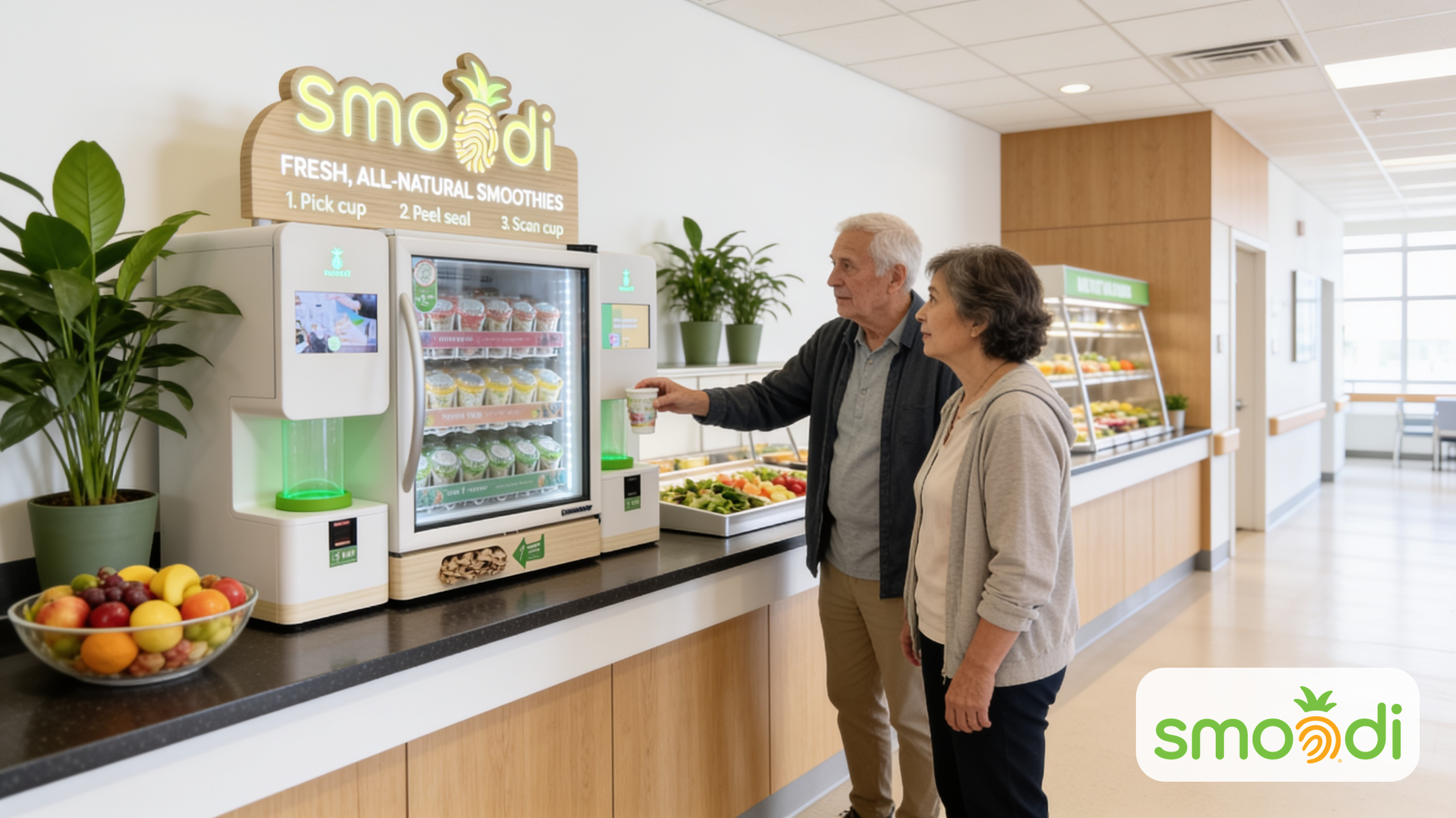
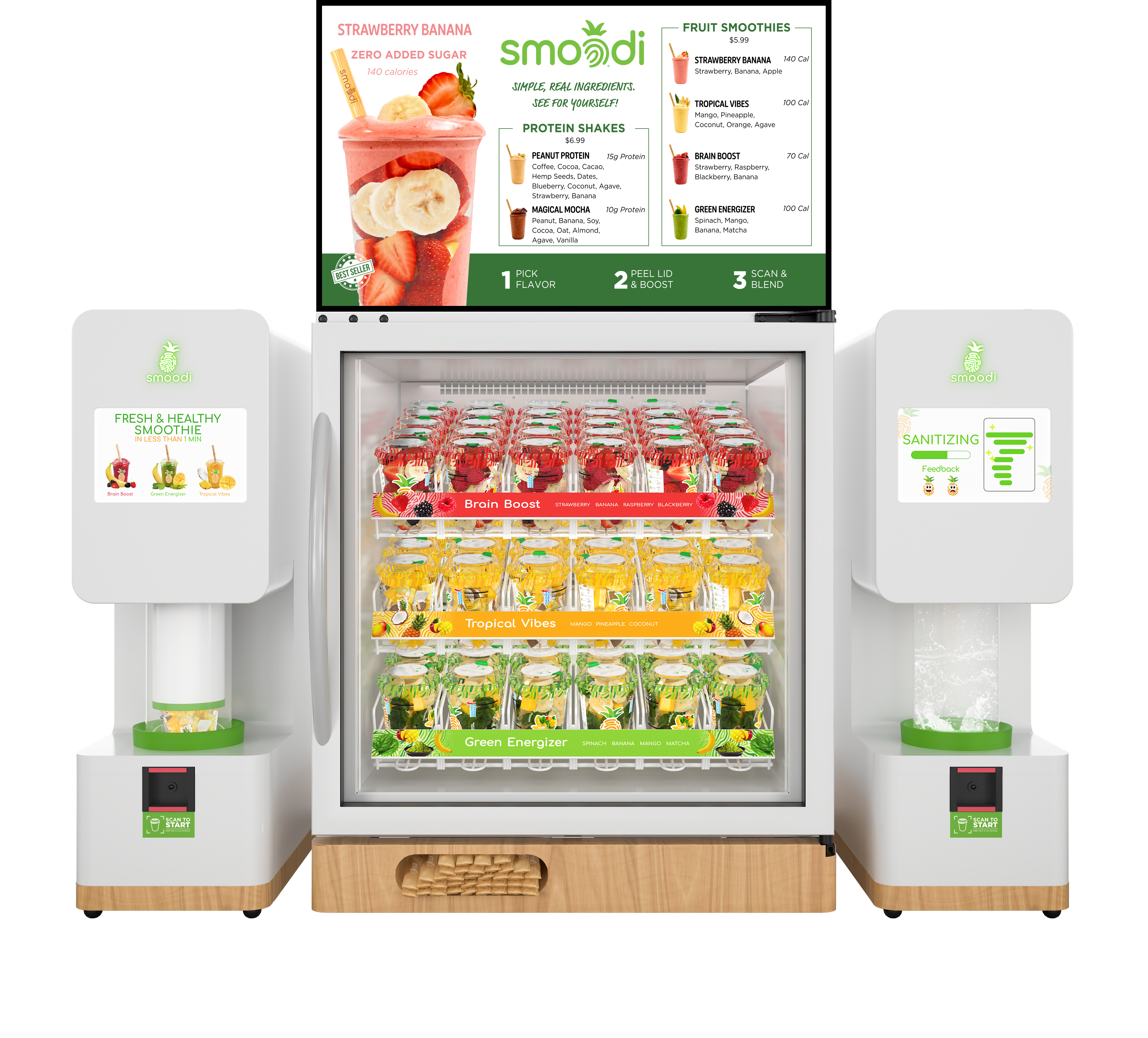
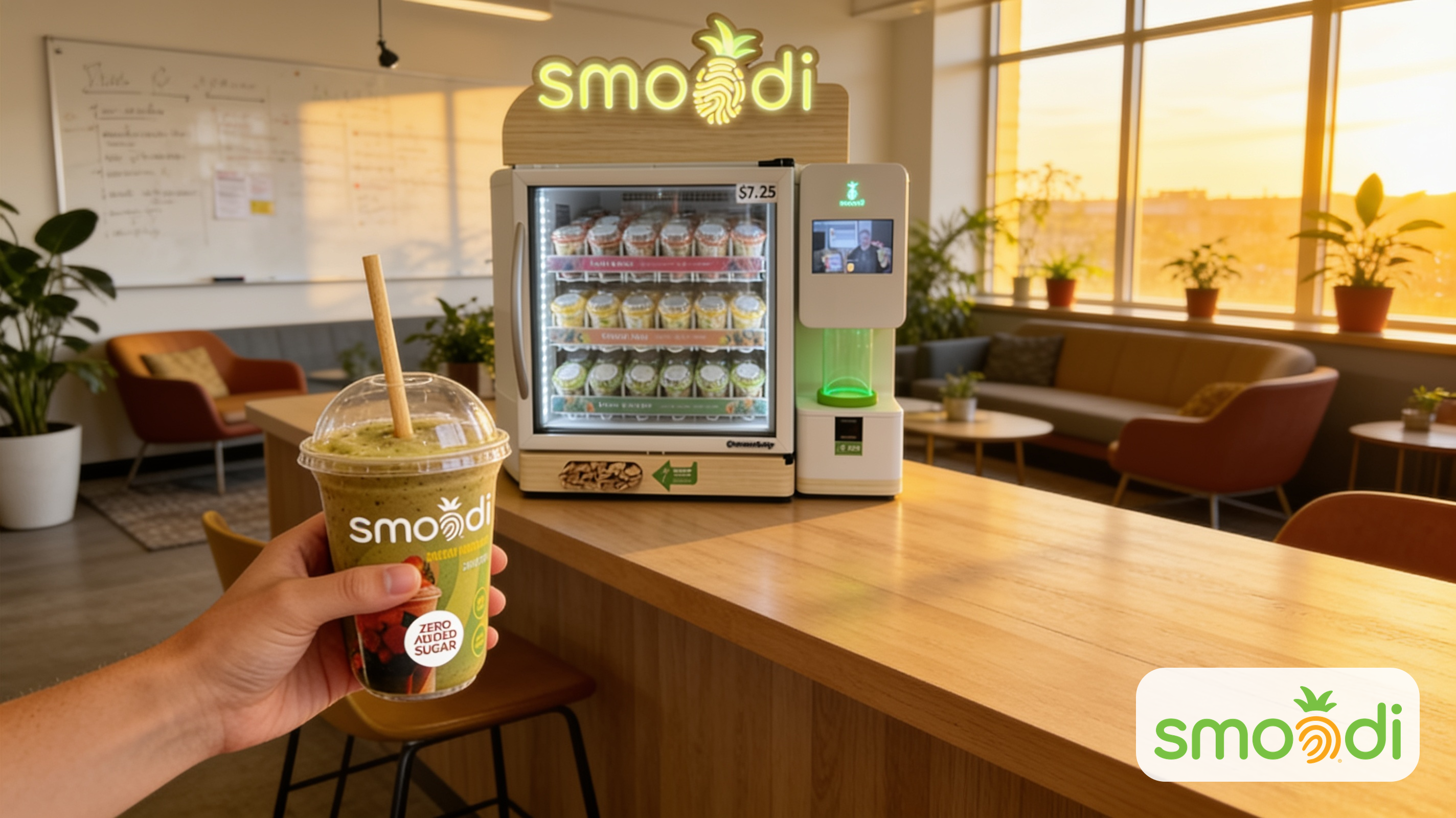
Smoodi provides a solution for hospitals seeking to automate healthy nutrition. Smoodi builds and operates automated, self-serve smoothie machines that deliver fresh smoothies on autopilot.
The machines use real fruit to create beverages. Because the machines are self-serve, they require zero labor to operate, allowing hospitals to provide high-quality nutrition without increasing the burden on food service staff.
For facilities directors, Smoodi machines are designed for hospital and corporate venues. Interested facilities can learn more at getsmoodi.com.
Conclusion
Ensuring a robust healthcare staff nutrition program is a facilities challenge that requires an infrastructure-based solution. When hospital cafeterias close, the reliance on unhealthy vending machines puts shift workers at higher risk for chronic disease and negatively impacts sleep and wellness. By adopting hospital foodservice automation, facilities can provide 24-hour access to real-fruit nutrition. This investment supports the health of the clinical team and contributes to the broader goal of reducing costly staff turnover.
Ready to bring Smoodi to your location?
Join hundreds of operators delivering fresh, automated smoothies with zero labor.
Get Started