What Role Do Wellness Beverages Play in Hotels?
Hotel guests increasingly expect wellness beverage options beyond coffee and juice. Automated smoothie stations serve fitness centers, spas, and pool decks without adding F&B staff.
Hotel food and beverage programs are transforming from a supporting amenity into a core element of brand identity and guest satisfaction. A NielsenIQ 2026 Hotel Beverage Study found that guest beverage behavior represents a significant growth opportunity for hotel operators, and over 70 percent of Gen Z travelers report that food and drink experiences influence where they choose to stay.
The wellness angle is particularly strong. Approximately 35 percent of Gen Z in the United States prefer alcohol-free social beverages, and hotels are responding with adaptogen coolers, functional beverages, and health-forward options alongside traditional bar offerings. The properties that invest in curated wellness beverage experiences earn stronger guest reviews, higher satisfaction scores, and measurably better repeat booking rates.
Why Is the Wellness Beverage Opportunity Growing?
The shift toward wellness beverages reflects broader consumer behavior changes that hotel operators cannot afford to ignore. Guests who invest in fitness routines, clean eating habits, and functional nutrition at home carry those preferences with them when they travel. A guest who drinks a protein smoothie after every morning workout does not want to abandon that habit for four days at a conference hotel simply because the only morning options are drip coffee and pasteurized orange juice.
The data confirms the trend. Wellness tourism continues to grow at roughly twice the rate of general tourism. Hotel fitness center usage has increased as properties invest in better equipment and programming. Spa revenue per available room has risen as wellness services expand beyond traditional massage to include nutrition counseling, recovery treatments, and holistic wellness packages.
Hotels that position themselves as wellness-forward destinations attract a guest segment that spends more per stay, books more ancillary services, and demonstrates higher brand loyalty. The beverage program is one of the most visible and accessible touchpoints in this positioning. A guest who encounters a functional smoothie station in the fitness center or near the spa experiences the wellness commitment immediately, without needing to book a treatment or attend a class.
Where Do Smoothie Stations Fit in a Hotel Property?
The wellness beverage opportunity extends across multiple hotel touchpoints, each serving a different guest need and mood. Effective placement follows the guest's daily flow through the property.
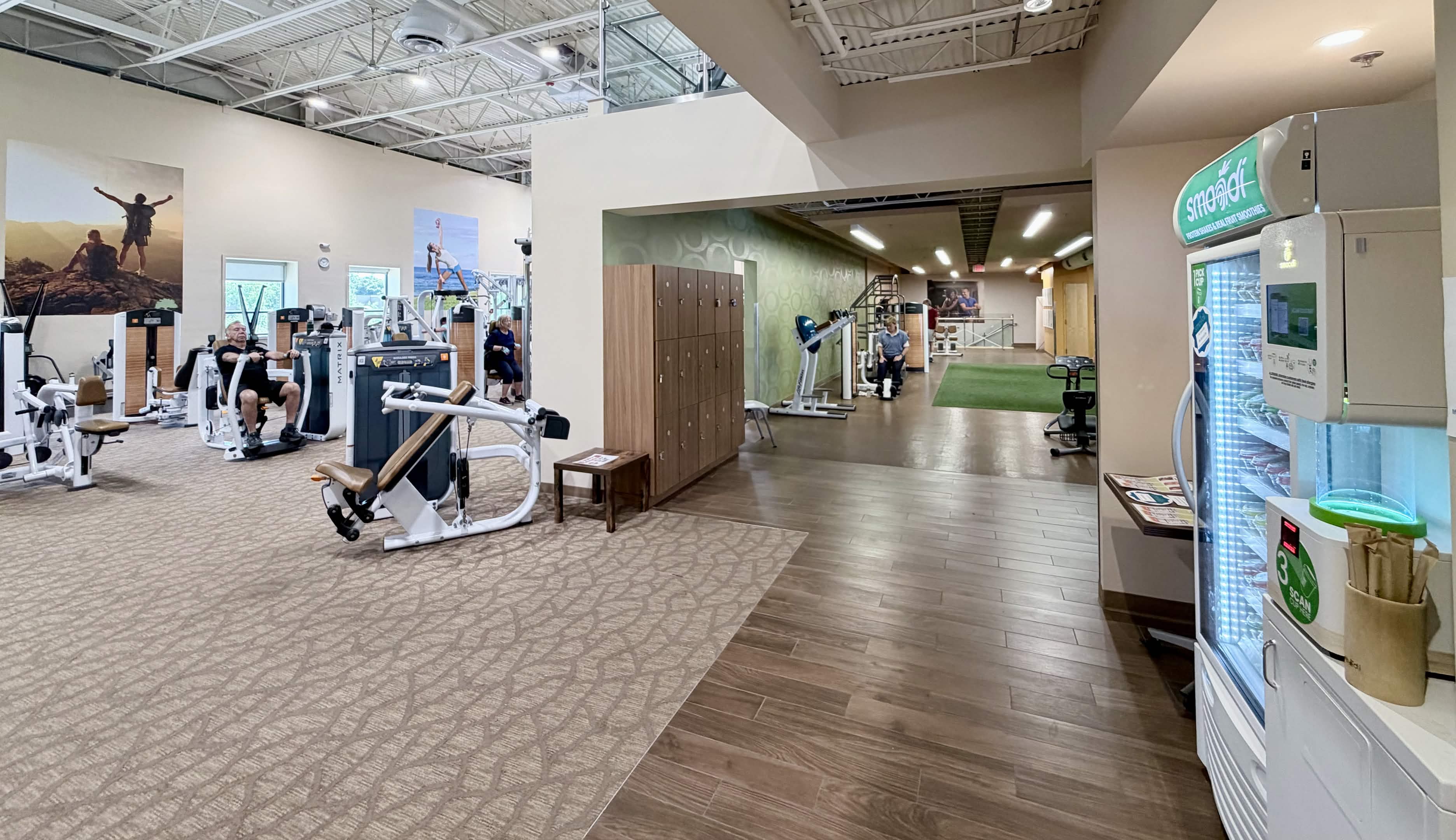
- Fitness center: the highest-intent placement. Guests who just completed a workout are primed for a protein-enriched smoothie. The booster bar (protein powder, collagen, functional supplements) adds customization that fitness-focused guests value.
- Pool deck and outdoor areas: a cold, fresh fruit smoothie has inherent appeal in warm weather. The station serves as a healthy alternative to the sugary frozen cocktails typically available at pool bars.
- Spa and wellness floor: guests visiting the spa expect food and beverage options aligned with their wellness investment. A whole-fruit smoothie with collagen or antioxidant boosters complements the relaxation experience.
- Lobby lounge: a high-visibility placement that signals the hotel's wellness commitment to every guest who passes through. Morning travelers grab a smoothie on the way to meetings; afternoon guests use it as a healthy pick-me-up.
- Executive floor pantry or club lounge: a premium offering for loyalty members and suite guests who expect elevated amenities.
"I have been looking to add a smoothie bar for years but did not want to deal with the labor and food waste. Having smoodi in our facility is a huge benefit for our members."
— Adam Healy, General Manager, Waverly Oaks Athletic Club
How Does the Operational Model Work in Hotels?
Hotel F&B departments are already managing multiple outlets: restaurants, bars, room service, banquet operations, and lobby lounges. Adding a staffed smoothie bar to the fitness center or pool deck requires dedicated personnel who must be scheduled, trained, and managed alongside existing operations. Most hotel general managers have concluded that a single-purpose staffed beverage station in a low-traffic area does not justify the labor cost.
An automated smoothie station eliminates the labor equation entirely. The machine blends IQF (individually quick frozen) whole fruit cups with water only in under 60 seconds, self-cleans between every use, and requires no dedicated F&B staff. The compact footprint of approximately 40 inches fits fitness center lobbies, spa reception areas, and poolside bar zones without displacing existing furniture or equipment.
IQF fruit cups with a shelf life of up to two years solve the inventory challenge that seasonal and fluctuating hotel occupancy creates. A resort hotel at 95 percent occupancy during holiday weeks and 40 percent during shoulder season needs a food product that does not spoil during low-demand periods. Frozen cups remain viable regardless of how long they sit in storage, eliminating the waste that fresh produce programs generate.
What Financial Model Works for Hotel Operators?
Smoodi's operational lease starts at $299 per month for a 48-month term, scaling to $499 per month for a 12-month term. The purchase option is $14,999. For hotel operators, the lease model allows the station to be categorized as an operating expense rather than a capital expenditure, simplifying budget approval and avoiding the depreciation accounting associated with equipment purchases.
Hotels can structure the smoothie offering in several ways: complimentary for all guests as a property amenity (absorbing the cost as a marketing and retention investment), complimentary for loyalty tier members and suite guests (creating a premium perk that encourages upgrades and enrollment), or available for purchase at a price point that generates per-unit margin (the standard retail model). Each approach fits different property types and brand positioning strategies.
The incremental revenue from smoothie sales complements rather than competes with existing F&B outlets. A guest who grabs a post-workout smoothie at 7 a.m. in the fitness center still books a breakfast table at the restaurant at 8:30. The smoothie fills a time slot and location where no food option previously existed, generating revenue from a touchpoint that was previously unmonetized.
How Does This Position the Property Competitively?
In a competitive hotel market where properties within the same tier and price range fight for bookings, wellness amenities serve as a meaningful differentiator. A business traveler choosing between two comparable hotels for a recurring weekly stay will notice which property offers a protein smoothie in the gym and which offers a water fountain.
The wellness positioning also supports rate integrity. Properties that invest in guest experience can command higher average daily rates and resist the discounting pressure that commoditized hotels face. A wellness beverage program is one component of a broader positioning strategy, but it is a visible, daily-use component that guests experience directly.
Smoodi operates in more than 300 locations across the United States, with over 2 million smoothies served. The company was founded at Harvard Innovation Labs. IQF fruit cups contain no syrups, concentrates, or artificial ingredients, and are distributed nationally through Dot Foods.
For hotel GMs, F&B directors, and wellness program managers interested in adding a zero-labor smoothie station to their property, visit getsmoodi.com/get-started to request a property assessment. To evaluate the financial opportunity, visit getsmoodi.com/roi.
Ready to bring Smoodi to your location?
Join hundreds of operators delivering fresh, automated smoothies with zero labor.
Get Started