How Are GLP-1 Medications Reshaping What Americans Eat?
Nearly one in four U.S. households now includes a GLP-1 medication user. The shift toward protein-rich, low-sugar nutrition is transforming foodservice menus across every vertical.
A quiet revolution is unfolding in American eating habits, and it is being driven by pharmacology. GLP-1 receptor agonist medications, including semaglutide (sold as Ozempic and Wegovy) and tirzepatide (sold as Mounjaro and Zepbound), are now used by millions of Americans for weight management and metabolic health. According to recent industry data, 23 percent of U.S. households include at least one member using a GLP-1 medication. J.P. Morgan estimates that 30 million Americans will be on GLP-1 drugs by 2030.
For foodservice operators, this is not a niche dietary trend. It is a structural shift in what consumers want to eat and drink. GLP-1 users are actively seeking smaller portions, higher protein, lower sugar, and more nutrient-dense options. By 2030, households with GLP-1 users are projected to account for 35 percent of all food and beverage units sold. Operators who adapt their menus now will capture a growing and increasingly loyal customer base.
Why Are GLP-1 Users Buying More Protein?
GLP-1 medications work by slowing gastric emptying and reducing appetite, which leads to significant weight loss. However, clinical data shows that 25 to 40 percent of the weight lost on GLP-1 medications comes from lean muscle mass rather than fat alone. This muscle loss drives a compensatory behavior: 73 percent of GLP-1 users report actively seeking more protein in their diets to preserve muscle and support recovery.
The protein demand is not just anecdotal. Research published in ScienceDirect found that GLP-1 users show 0.22 lower price elasticity on protein products compared to non-users, meaning they are willing to pay more for protein-rich options. They are also gravitating toward functional foods and beverages that deliver concentrated nutrition in smaller, easier-to-consume formats. A smoothie with a protein boost fits this profile precisely: nutrient-dense, lower volume, customizable, and fast.
How Should Foodservice Operators Adapt Their Menus?
The implications for foodservice are broad. Dinner traffic among regular GLP-1 users has already fallen 6 percent, reflecting reduced appetite and smaller meal sizes. Quick-service restaurants are responding by introducing smaller portions and protein-forward menu items. Chain restaurants are quietly reformulating offerings to reduce added sugars and increase protein content.
For operators in hospitals, corporate offices, universities, fitness centers, and senior living communities, the adaptation is even more direct. These environments serve populations where GLP-1 usage is concentrated (healthcare workers with medical access, corporate employees with insurance coverage, older adults managing metabolic conditions). Adding a protein-rich, zero-added-sugar beverage option is a low-friction way to serve this growing segment without overhauling existing menus.
- Protein-forward options: GLP-1 users need 1.0 to 1.5 grams of protein per kilogram of body weight daily to preserve muscle mass. A smoothie with a protein booster delivers 15 to 25 grams per serving.
- Zero added sugar: GLP-1 medications reduce sugar tolerance in many users. Beverages with added syrups or concentrates are increasingly unappealing to this population.
- Smaller, nutrient-dense formats: Rather than large meals, GLP-1 users prefer compact, functional nutrition they can consume quickly between meals or after workouts.
- Functional ingredients: Collagen, adaptogens, and vitamin supplements align with the broader wellness focus that GLP-1 users already maintain.
What Makes a GLP-1-Friendly Beverage Program?
A GLP-1-friendly beverage program delivers high protein, zero added sugars, whole-food ingredients, and functional customization. Most traditional smoothie bars fail on at least one of these criteria. Staffed juice bars often rely on purees or concentrates that contain added sugars. Pre-made bottled smoothies sacrifice freshness for shelf stability. Vending machine options rarely offer protein customization.
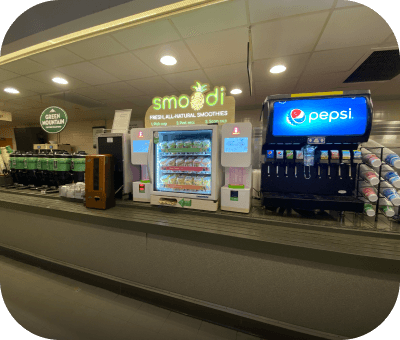
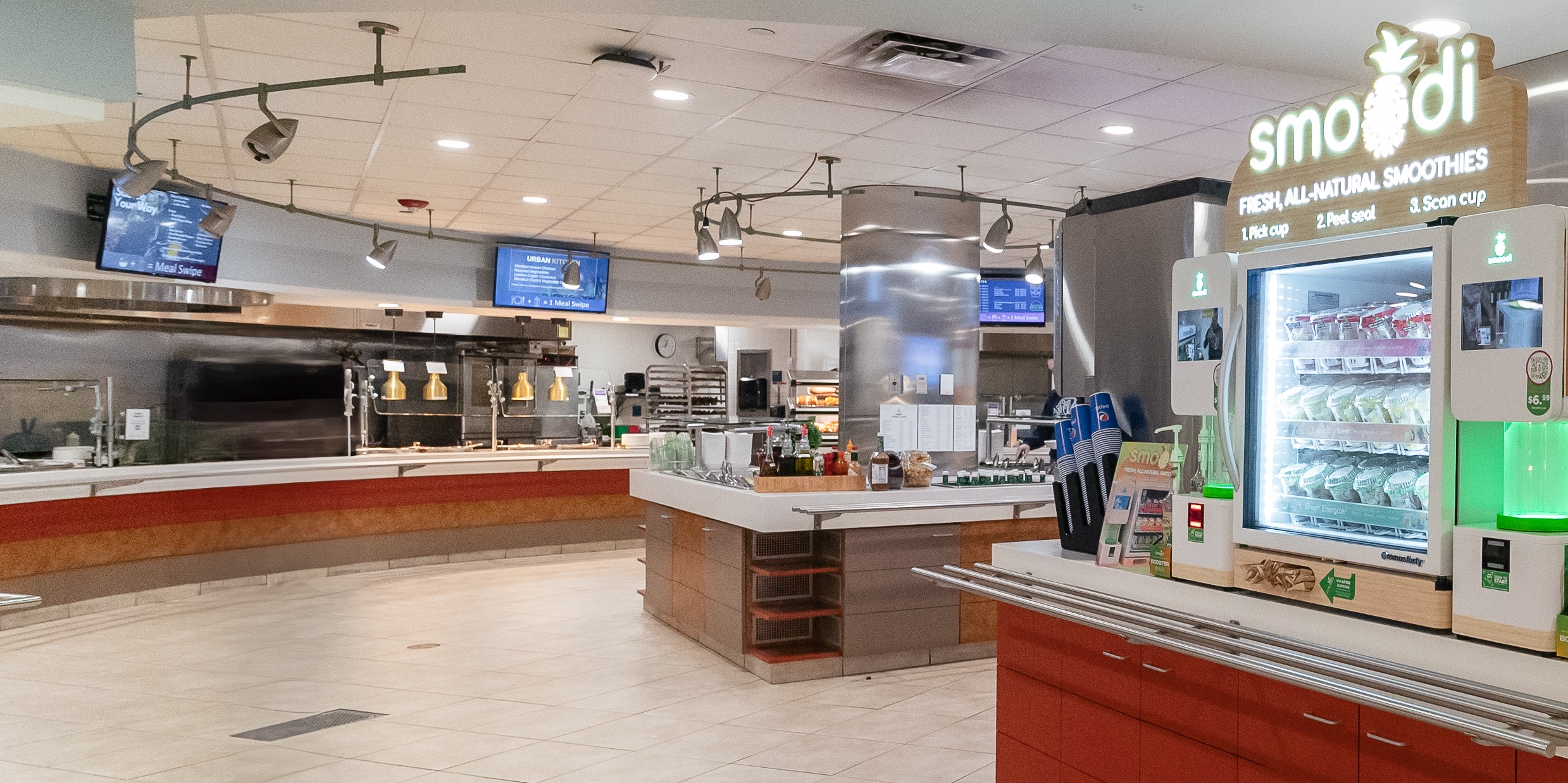
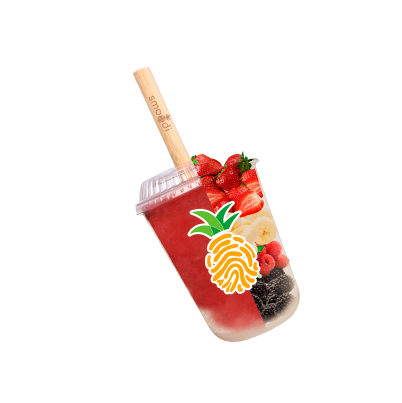
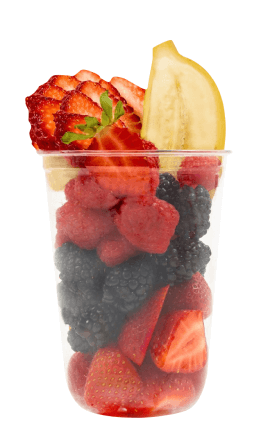
Smoodi's automated smoothie machine addresses each of these requirements by design. Every smoothie is made from IQF (individually quick frozen) whole fruit cups blended with water only. There are no syrups, no concentrates, no added sugars, and no artificial ingredients. The booster bar allows customers to add protein powder, collagen, or other functional supplements to any smoothie, creating a personalized, nutrient-dense beverage in under 60 seconds.
For operators, the economics are compelling. The machine requires zero dedicated labor: it is entirely self-service, and it self-cleans between every use. An operational lease starts at $299 per month (48-month term) with Smoodi retaining ownership and providing full service and maintenance. Shorter terms are available at $349 per month (36 months), $399 per month (24 months), and $499 per month (12 months). Operators who prefer to own the equipment can purchase starting at $14,999.
Where Is GLP-1 Demand Highest?
GLP-1 medication usage is concentrated in specific verticals that foodservice operators already serve.
- Healthcare facilities: Physicians, nurses, and staff with direct medical access are early and frequent GLP-1 adopters. Hospital cafeterias and staff break rooms are high-demand locations for protein-rich, low-sugar options.
- Corporate offices: Employees with employer-sponsored insurance that covers GLP-1 prescriptions represent a significant user base. Workplace wellness programs increasingly feature nutrition as a retention tool.
- Fitness centers and gyms: Members using GLP-1 medications for weight management are simultaneously increasing their exercise frequency and protein intake. A post-workout smoothie with a protein boost serves this dual need.
- Senior living communities: Older adults managing Type 2 diabetes or metabolic syndrome are a growing GLP-1 user group. Automated nutrition stations provide consistent, dietitian-friendly options without additional kitchen staff.
- Universities: Student health centers report rising GLP-1 prescriptions among young adults. Campus dining programs that offer protein-customizable, whole-fruit beverages serve this emerging demographic.
What Does the Market Data Tell Operators?
The convergence of GLP-1 adoption and functional nutrition demand creates a market opportunity that is growing faster than most foodservice categories. The global smoothie market reached $16.65 billion in 2026 and is projected to grow at 8.66 percent CAGR to $25.21 billion by 2031. Within that market, protein beverages are projected to reach $10.7 billion by 2034. GLP-1 medications are accelerating both trends by creating a consumer base that actively prioritizes protein, avoids added sugar, and is willing to pay a premium for nutrition quality.
Smoodi operates in more than 300 locations across the United States and has served more than two million smoothies since its founding at Harvard Innovation Labs. The fruit cups have a shelf life of up to two years and are distributed through Dot Foods, the largest food redistribution company in North America. The machine occupies approximately 40 inches of floor space and requires a standard 120 VAC outlet, push-to-connect water and sanitizer inlets, and a drain connection.
Preparing Your Facility for the GLP-1 Nutrition Shift
The GLP-1 medication trend is not slowing down. Analysts project that GLP-1 adoption will continue to accelerate through 2030 and beyond, reshaping consumer preferences across every foodservice channel. Operators who add protein-rich, zero-added-sugar options now are positioning their facilities to serve a growing, high-value customer segment that prioritizes nutrition quality over price.
Adding a Smoodi station is one of the fastest ways to introduce a GLP-1-friendly beverage program. With zero labor, self-cleaning operation, a protein booster bar, and whole-fruit ingredients with no added sugars, it meets every criterion that GLP-1-conscious consumers are looking for. To explore how Smoodi fits your facility, visit getsmoodi.com/get-started. To estimate the revenue potential of a smoothie program at your location, visit getsmoodi.com/roi.
Ready to bring Smoodi to your location?
Join hundreds of operators delivering fresh, automated smoothies with zero labor.
Get Started