What Role Does Nutrition Play in Physical Therapy?
Physical therapy patients need protein for recovery and have limited time between sessions. A self-service nutrition station in the clinic supports clinical goals and generates ancillary revenue.
Physical therapy and rehabilitation facilities serve patients who are actively recovering from injuries, surgeries, joint replacements, sports injuries, and chronic musculoskeletal conditions. These patients visit the clinic multiple times per week, typically for 45 to 60 minute sessions, often scheduled during lunch hours or after work. Their recovery depends on a combination of therapeutic exercise, manual treatment, and adequate nutrition, particularly protein intake that supports muscle repair and tissue healing.
Yet most PT clinics and outpatient rehabilitation centers offer nothing beyond a water cooler or water fountain in the waiting area. Patients arrive having rushed from work or another appointment. They leave heading to the next obligation in their day. The window for nutrition is narrow, and the clinic environment provides no options to fill it.
Why Does Protein Matter for Rehabilitation Patients?
Protein plays a direct and well-documented role in musculoskeletal recovery. Muscle protein synthesis, the process by which the body repairs and rebuilds muscle tissue after exercise or injury, requires adequate amino acid availability. For patients in rehabilitation, the therapeutic exercises they perform during PT sessions create controlled stress on healing tissues. The recovery and adaptation from those sessions depends on nutritional support, with protein as the primary building block.
Post-surgical patients face elevated protein requirements. Joint replacement recovery, ACL reconstruction rehabilitation, rotator cuff repair recovery, and spinal surgery rehabilitation all involve tissue healing that demands protein intake above normal daily levels. Many of these patients are older adults whose baseline protein intake is already below recommended levels. The combination of elevated need and insufficient intake creates a nutritional gap that slows recovery.
Clinicians recognize this gap. Physical therapists routinely advise patients to increase protein intake, consume anti-inflammatory foods, and stay hydrated. But the advice typically ends at the recommendation. The clinic provides the exercise program, the manual therapy, and the clinical expertise. It does not provide the nutrition. A whole-fruit smoothie with a protein booster, consumed immediately before or after a therapy session, bridges this gap in a format that requires no meal preparation and takes under 60 seconds to produce.
What Nutritional Challenges Do PT Patients Face?
The scheduling reality of physical therapy creates specific nutritional challenges that differ from general wellness nutrition. Patients visit 2 to 3 times per week, often at times that conflict with meals: early morning before work, lunch hour, or late afternoon. They arrive at the clinic having skipped breakfast, eaten a rushed lunch, or planned to eat dinner after their session. The therapy itself is physically demanding, and patients leave fatigued and sometimes in discomfort.
The time constraint is the central barrier. Unlike a gym member who can plan a post-workout meal around their schedule, a PT patient is fitting therapy sessions into an already packed day that includes work, childcare, medical appointments, and the daily demands of recovery. A nutrition option that requires preparation, sit-down time, or travel to a restaurant or store is not practical for most patients. A grab-and-go option inside the clinic itself, available immediately before or after the session, is the format that works.
Hydration is another underaddressed factor. Physical therapy sessions involve sustained physical activity, and many patients, particularly older adults, arrive to sessions already dehydrated. A whole-fruit smoothie provides both nutrition and hydration in a single serving, addressing two recovery factors simultaneously.
How Does a Smoothie Station Fit a Clinic Setting?
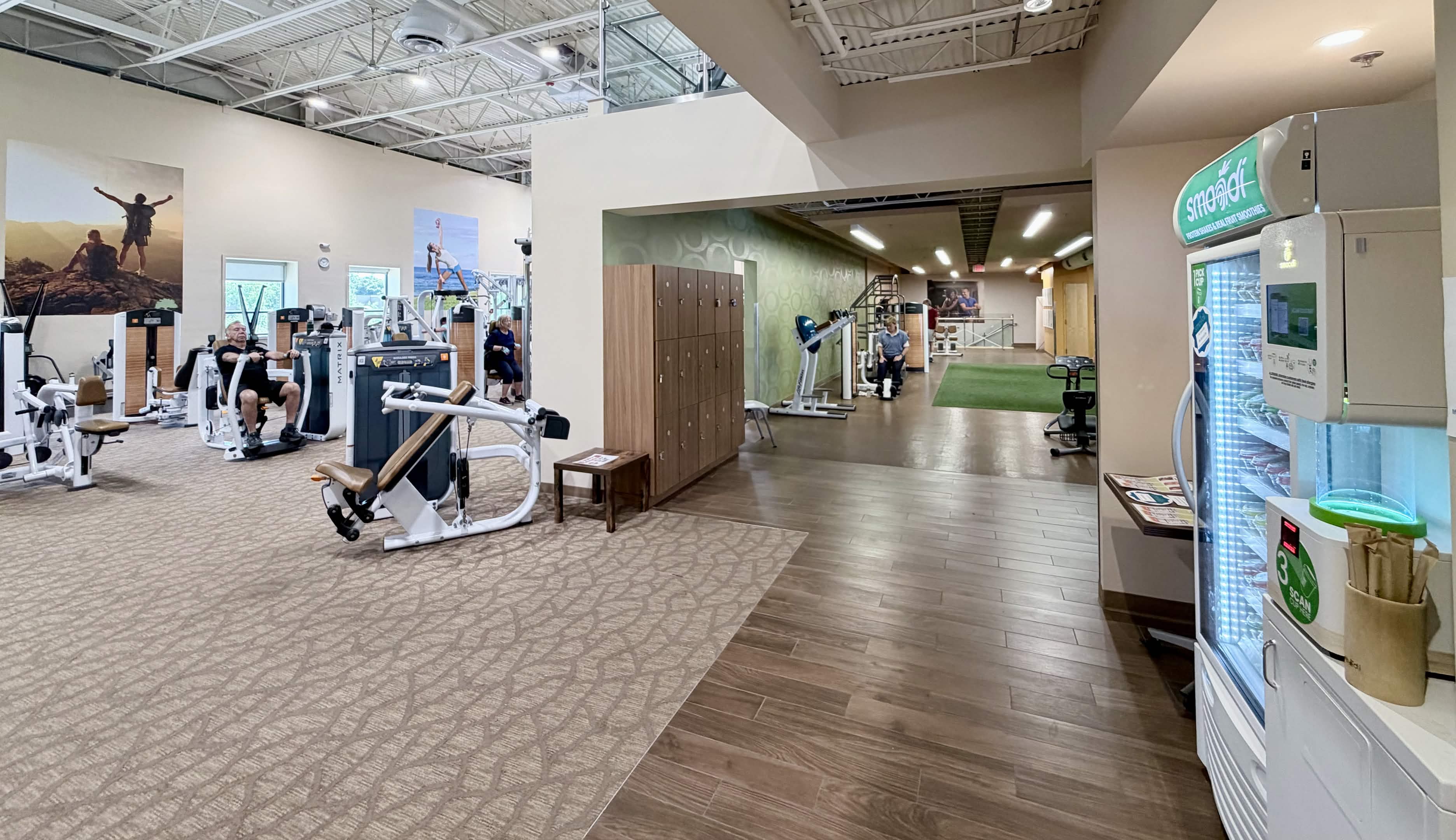
Outpatient PT clinics and rehabilitation centers are typically compact facilities with a reception area, waiting room, treatment bays, and a small exercise floor. Space is allocated to clinical function, not food service. The compact footprint of an automated smoothie station (approximately 40 inches of floor space) fits in the waiting area, near the reception desk, or adjacent to the exercise floor without displacing clinical equipment or patient flow.
Installation requires a standard 120 VAC outlet, water connection, sanitizer inlet, and drain. No kitchen buildout, hood ventilation, or food service permit is required. The machine blends IQF (individually quick frozen) whole fruit cups with water only. No syrups, concentrates, or artificial ingredients are used. The self-cleaning cycle between every use meets the hygiene expectations of a healthcare environment without requiring additional cleaning staff.
The booster bar is particularly relevant in a rehabilitation setting. Protein powder supports muscle recovery. Collagen supports joint and connective tissue repair. Functional supplements provide nutritional benefits that clinicians can recommend as part of a comprehensive recovery protocol. When a physical therapist can say to a patient, 'Grab a smoothie with a protein boost on your way out,' the nutrition recommendation becomes actionable rather than aspirational.
What Is the Business Case for Clinic Operators?
For PT clinic owners and rehabilitation facility operators, a smoothie station creates ancillary revenue from an existing patient population. Patients visit 2 to 3 times per week for 6 to 12 weeks (or longer for chronic conditions). Each visit is an opportunity for a smoothie purchase. At a typical price point, the station generates consistent daily revenue from a captive, motivated audience.
The operational economics are straightforward. Smoodi's operational lease starts at $299 per month for a 48-month term, scaling to $499 per month for a 12-month term. The purchase option is $14,999. IQF fruit cups have a shelf life of up to two years and are distributed through Dot Foods. There is no food waste, no spoilage, and no inventory complexity. The station operates without dedicated staff, requiring only periodic freezer restocking.
Smoodi operates in more than 300 locations across the United States, with over 2 million smoothies served, including deployments in healthcare and fitness settings. The company was founded at Harvard Innovation Labs.
How Does This Support Patient Outcomes?
The clinical value of adequate nutrition during rehabilitation is well established. Patients who maintain proper protein intake, hydration, and anti-inflammatory nutrition tend to recover faster, experience fewer setbacks, and complete their therapy programs with better functional outcomes. A clinic that provides a nutrition option aligned with recovery goals is supporting the clinical mission, not just adding a revenue stream.
For patients, the availability of a healthy, protein-fortifiable beverage inside the clinic removes a barrier to compliance with nutritional recommendations. The convenience factor matters: telling a patient to 'eat more protein' is advice. Providing a protein-boosted smoothie in the clinic lobby is a solution. The difference between advice and solution often determines whether patients follow through.
For PT clinic owners and rehabilitation facility operators interested in adding a nutrition amenity that supports patient recovery, visit getsmoodi.com/get-started to request a facility assessment. To explore the financial model, visit getsmoodi.com/roi.
Ready to bring Smoodi to your location?
Join hundreds of operators delivering fresh, automated smoothies with zero labor.
Get Started