What Do Consumers Expect from Self-Service Food Technology?
Self-service kiosk installations jumped 43% between 2021 and 2023, nearing 350,000 units worldwide. Consumers now expect freshness, speed, hygiene, and zero friction from self-service food technology.
Self-service food technology has crossed the threshold from novelty to baseline expectation. The number of restaurant kiosks installed worldwide jumped 43% between 2021 and 2023, nearing 350,000 units, and that number is forecast to double by 2028. A 2025 industry survey found that 61% of consumers want to see more kiosks in restaurants. Self-service kiosks have cut queue times by 25 to 40% and increased average ticket sizes by 15 to 30%. The self-service kiosk market in hospitality alone could reach $43.65 billion.
Yet most coverage of this trend focuses on ordering kiosks at quick-service restaurants. Consumers also have rising expectations for self-service food preparation technology: machines and stations that produce fresh food on demand without counter staff. Understanding what consumers actually expect from these systems helps operators make better investment decisions and avoid costly missteps.
What Do Consumers Want from Self-Service Food Preparation?
Consumer expectations for self-service food preparation go beyond simple convenience. Five consistent themes emerge from industry research and adoption data.
First, freshness. Consumers distinguish between a pre-made product sitting in a display case and a product made fresh in front of them. Self-service food stations that blend, assemble, or prepare the product on demand earn higher satisfaction scores than those that dispense pre-packaged items. The visible preparation process is part of the value proposition. Consumers want to see their food being made, even when no human is involved.
Second, speed. The acceptable wait time for a self-service food product is under two minutes. Anything longer and consumers begin to question whether the self-service format is actually faster than waiting in line for a staffed counter. The most successful self-service food stations deliver their product in 60 to 90 seconds, fast enough that the customer stays engaged through the entire process.
Third, hygiene visibility. Consumers expect self-service food equipment to be visibly clean. This expectation has only strengthened since 2020. Equipment that self-cleans between uses, or that is obviously sanitized between customers, builds the trust necessary for repeated use. Equipment that looks used, sticky, or questionable gets avoided regardless of how good the product might be.
Fourth, customization. Even in a self-service format, consumers expect choices. Flavor selection, add-on options, portion control, and dietary accommodations are standard expectations. A touchscreen that offers six smoothie flavors and three protein boosters feels personalized. A machine that dispenses one option feels like a vending machine.
Fifth, zero friction. No app download required. No account creation. No loyalty card scan before the machine will start. The transaction should be as simple as selecting an option and receiving the product. Every additional step between the consumer and the food reduces conversion. The most successful self-service food stations minimize the interaction to three actions or fewer: select, pay, receive.
How Has Consumer Acceptance Changed Over the Past Three Years?
Consumer acceptance of self-service food technology has accelerated measurably. The 61% of consumers who want more kiosks in restaurants represent a significant shift from even five years ago, when self-service food technology was still viewed with skepticism by a majority of diners. Several factors drove this change.
Familiarity played the largest role. As quick-service restaurants deployed ordering kiosks at scale, consumers became comfortable interacting with touchscreens in food environments. That comfort transferred to other self-service food formats. A consumer who orders a burger through a kiosk is more willing to try an automated smoothie station than one who has never used a food technology interface.
Speed validation also mattered. As self-service kiosks demonstrated 25 to 40% reductions in queue times, consumers experienced the benefit directly. The abstract promise of faster service became a concrete, repeated experience. Once consumers associate self-service with faster outcomes, they actively prefer it over staffed alternatives during busy periods.
Higher average tickets at kiosk-equipped locations (15 to 30% increases) suggest that consumers actually order more when they interact with a screen rather than a person. The absence of perceived judgment from a human cashier, combined with visual menu displays and suggested add-ons, encourages consumers to customize and upgrade their orders.
What Role Does the Omnichannel Experience Play?
The broader omnichannel trend in foodservice, where kiosks, mobile apps, kitchen display systems, and point-of-sale platforms operate as one integrated system, has raised consumer expectations for all self-service touchpoints. Consumers now expect that a self-service food station will feel as polished and responsive as the mobile ordering app they use at their favorite coffee shop.
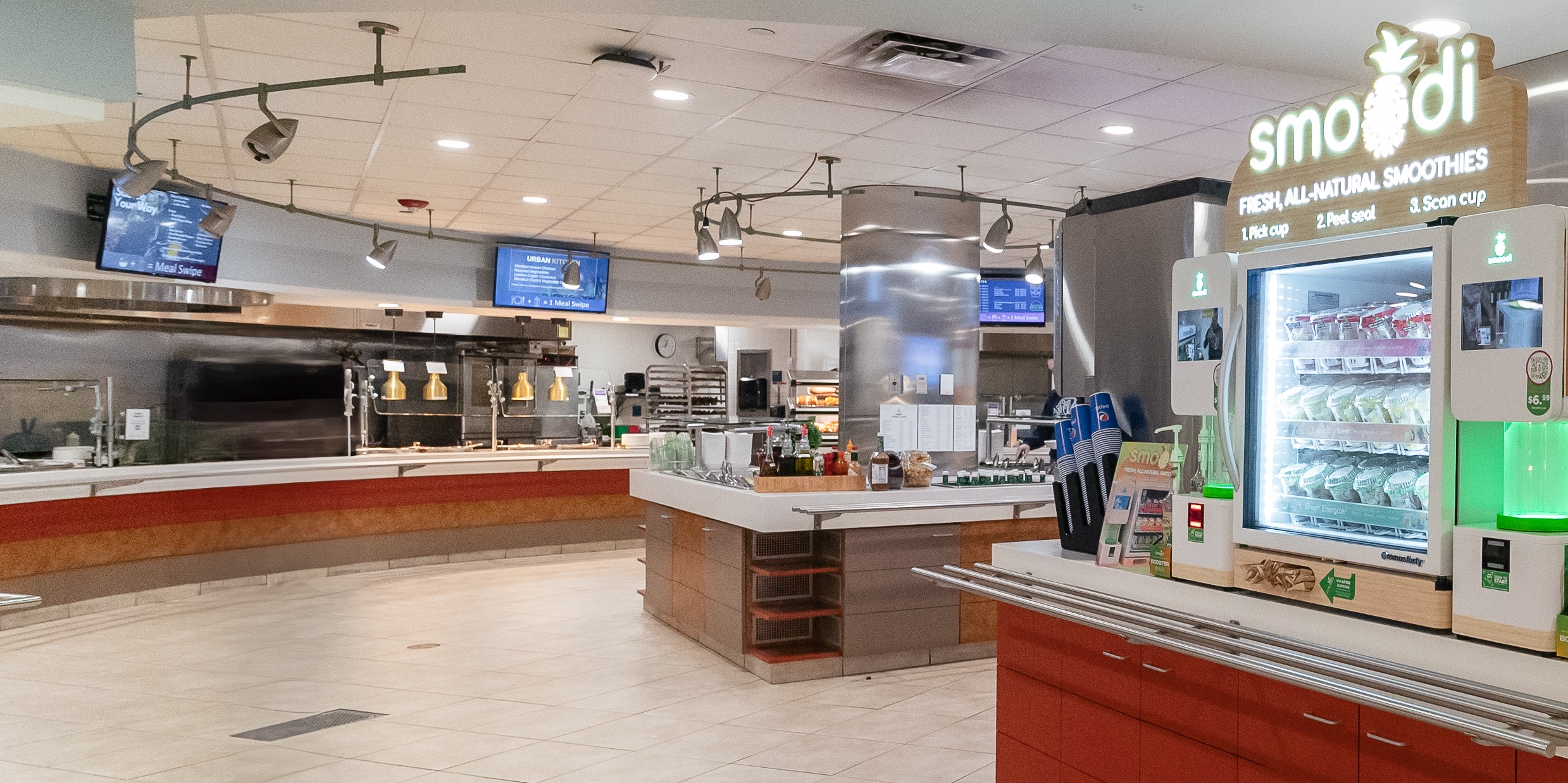
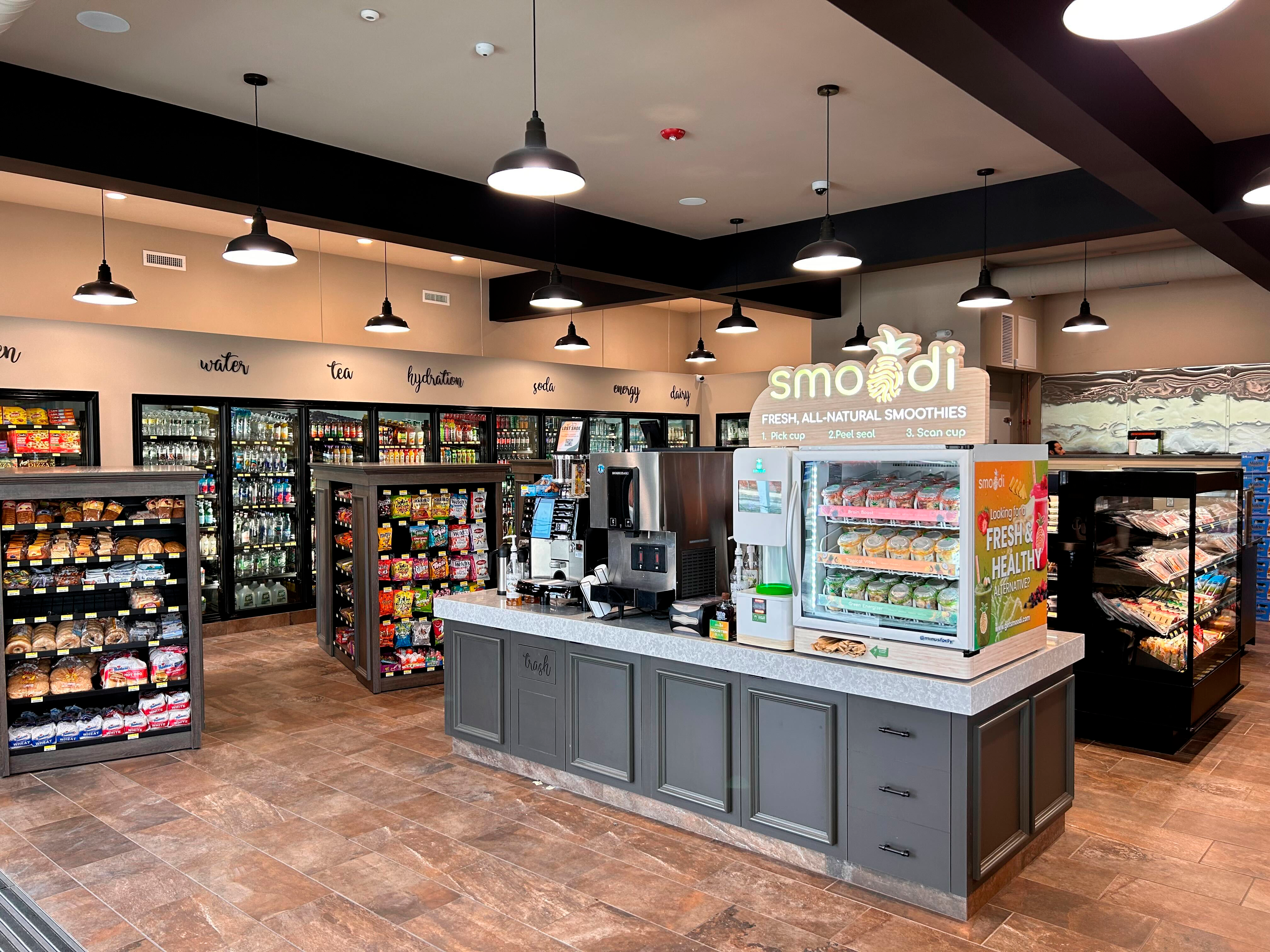
This means that self-service food technology must meet a higher design and performance standard than it did even two years ago. A clunky interface, a slow response time, or a confusing menu layout will cause consumers to walk away. They have been trained by the best consumer technology companies to expect fluid, intuitive interactions, and they apply those same standards to a smoothie station in a hotel lobby or a food kiosk in a university dining hall.
How Does Smoodi Align with Consumer Expectations?
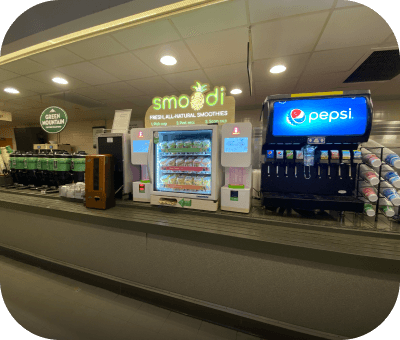
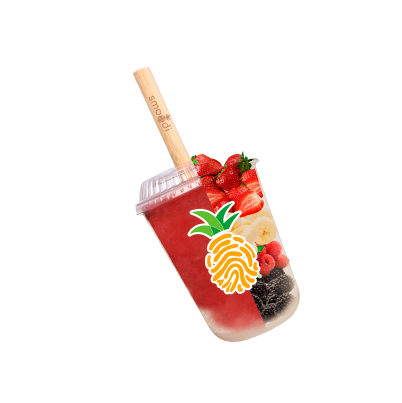
Smoodi's automated smoothie station maps directly to every consumer expectation identified by industry research. The machine blends IQF (individually quick frozen) fruit cups with water only, producing a fresh, whole-fruit smoothie in under 60 seconds. Consumers see the blending process happen in real time, satisfying the freshness and visibility expectations. The machine self-cleans between every use, addressing the hygiene standard that consumers now require. No syrups, concentrates, or artificial ingredients are used.
The touchscreen interface offers multiple smoothie flavors and booster add-ons (protein powder, collagen, and functional supplements), providing the customization that consumers expect without overcomplicating the interaction. The transaction is zero-friction: select a flavor, add optional boosters, and receive the product. No app download, no account creation, no loyalty card required.
For operators, the consumer experience advantages translate directly to utilization rates. Equipment that consumers trust, enjoy using, and return to repeatedly generates higher revenue per station. Equipment that feels outdated, unsanitary, or cumbersome sits idle regardless of the product quality inside.
What Does This Mean for Operator Investment Decisions?
Operators evaluating self-service food technology investments should assess each option against the five consumer expectations outlined above. A self-service station that fails on even one dimension (freshness, speed, hygiene, customization, or friction) will underperform relative to the investment.
- Does the equipment produce a fresh product on demand, or does it dispense a pre-made item?
- Is the product delivered in under two minutes, ideally under 90 seconds?
- Does the equipment self-clean or visibly sanitize between uses?
- Does the interface offer meaningful customization options?
- Can a first-time user complete a transaction in three steps or fewer?
Smoodi operates in more than 300 locations across the United States, with over 2 million smoothies served. The company was founded at Harvard Innovation Labs. The operational lease starts at $299 per month for a 48-month term, with purchase options starting at $14,999. The IQF fruit cups have a shelf life of up to two years and are distributed through Dot Foods.
"We were looking for quick, healthy options for our customers and smoodi ticked all the boxes. It's quick, self-service, and does the job. The feedback has been great - the lines say it all."
— Jim Launer, President, Spooky Nook Sports
For operators evaluating self-service food technology that meets consumer expectations, visit getsmoodi.com/get-started. To calculate the revenue potential for your location, visit getsmoodi.com/roi.
Ready to bring Smoodi to your location?
Join hundreds of operators delivering fresh, automated smoothies with zero labor.
Get Started