What Should Senior Living Know About Nutrition Stations?
Senior living communities are rethinking dining programs to meet rising nutrition expectations. Automated smoothie stations offer consistent, dietitian-friendly beverages with zero food safety risk from manual preparation.
Senior living communities across the United States are under growing pressure to modernize their dining programs. Residents and their families expect more than institutional cafeteria service. They expect personalized nutrition, dietary accommodations, and the same quality of healthy food options available in retail and hospitality settings. At the same time, senior living operators face the same labor shortages and cost pressures affecting all of foodservice, making it harder to staff kitchens and maintain consistent food quality.
Automated nutrition stations offer a solution that addresses both the nutrition demand and the operational constraint. A self-service smoothie station provides residents with fresh, nutrient-dense beverages made from whole fruit, with optional protein and collagen boosters, without requiring kitchen staff to prepare, blend, or clean between servings.
Why Is Nutrition a Priority in Senior Living?
Nutrition plays a central role in senior health outcomes. Malnutrition affects an estimated 15 to 50 percent of older adults in long-term care settings, contributing to muscle loss (sarcopenia), weakened immunity, slower wound healing, and increased fall risk. The consequences are both medical and financial: malnourished seniors experience longer hospital stays, higher readmission rates, and more frequent emergency interventions.
For senior living communities, dining is not just a hospitality amenity. It is a clinical service. Registered dietitians develop meal plans that target specific nutrient gaps. Protein intake is particularly critical, as older adults need 1.0 to 1.2 grams of protein per kilogram of body weight daily to maintain muscle mass and prevent sarcopenia. Many seniors struggle to meet this target through traditional meals alone, especially those with reduced appetite, dental difficulties, or swallowing challenges.
A smoothie delivers concentrated nutrition in a format that is easy to consume. A blended whole-fruit smoothie with a protein booster can provide 15 to 25 grams of protein, a full serving of fruit, and additional functional nutrients (collagen, vitamins) in a single drinkable serving that takes less than a minute to prepare.
What Challenges Do Senior Living Dining Programs Face?
Senior living dining programs operate under constraints that differ from other foodservice environments. Understanding these constraints is essential for evaluating which nutrition solutions are practical.
- Staffing shortages: The senior living industry faces a severe and persistent labor crisis. Kitchen and dining staff turnover in senior communities exceeds the already-high foodservice industry average. Recruiting and retaining qualified kitchen workers for multiple meal services daily is one of the largest operational challenges operators face.
- Dietary complexity: Residents have diverse and often medically prescribed dietary needs. Diabetic meal plans, renal diets, texture-modified foods, and allergen avoidance all require careful preparation and documentation. Manual smoothie preparation introduces cross-contamination risks that can compromise dietary compliance.
- Food safety: Older adults are more susceptible to foodborne illness due to weakened immune systems. Any manual food preparation step introduces a potential contamination vector. Shared blender pitchers, improper cleaning between uses, and inconsistent temperature control during preparation are specific risks in manual smoothie service.
- Extended dining hours: Many senior communities are moving toward flexible dining schedules that allow residents to eat when they choose rather than during fixed meal windows. This requires food options that are available throughout the day without continuous kitchen staffing.
- Budget constraints: Senior living operators manage tight food budgets, often $8 to $15 per resident per day for all meals and snacks. Adding a new nutrition category must demonstrate clear value without significantly increasing per-resident food costs.
How Do Automated Stations Address These Challenges?
Automated smoothie stations are designed to operate without dedicated staff, making them particularly well-suited to environments where labor is scarce and food safety standards are high. The operational model eliminates the specific risks and costs that make manual smoothie service impractical in most senior living settings.
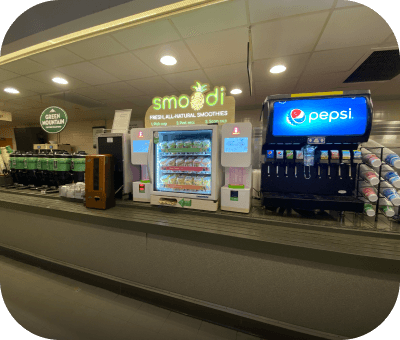
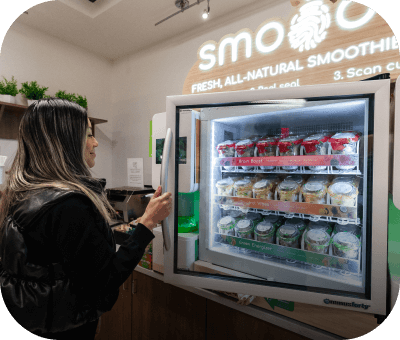
Smoodi's machine is entirely self-service. A resident or staff member places an IQF (individually quick frozen) whole-fruit cup into the machine, selects optional boosters from the booster bar (protein powder, collagen, or other functional supplements), and the machine blends and dispenses a fresh smoothie in under 60 seconds. The machine then self-cleans between every use, eliminating cross-contamination risk between servings.
Each fruit cup is individually sealed, which means there is no shared ingredient contact between servings. For residents with allergen concerns or dietary restrictions, this sealed, single-serving format provides a level of ingredient isolation that manual preparation cannot guarantee.
"Now we have healthy options available here in the cafeteria, and patients and even doctors are loving this."
— Dr. Nish Patel, Interventional Cardiologist, Baptist Health Miami
What Nutrition Benefits Do Smoothie Stations Offer Seniors?
The nutritional profile of a Smoodi smoothie aligns with several key dietary priorities for older adults.
- Protein supplementation: The booster bar allows residents to add protein powder to any smoothie, supporting the 1.0 to 1.2 grams per kilogram daily protein target recommended for seniors. A single smoothie with a protein boost can deliver 15 to 25 grams, equivalent to a chicken breast or three eggs.
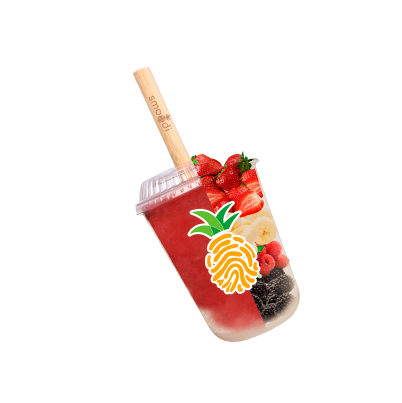
- Fruit intake: Many seniors fall short of the recommended two daily servings of fruit. Each Smoodi cup contains whole IQF fruit blended with water only, contributing directly to fruit intake goals with no added sugars, syrups, or concentrates.
- Hydration support: Dehydration is a common and underrecognized issue in senior populations. A smoothie made with water provides hydration alongside nutrition, offering an appealing alternative for residents who resist drinking plain water.
- Collagen and functional ingredients: The booster bar includes collagen, which supports joint health, skin elasticity, and connective tissue integrity. These functional benefits are particularly relevant for the senior population.
- Easy consumption: For residents with dental issues, swallowing difficulties, or reduced appetite, a blended smoothie is easier to consume than solid foods while delivering comparable nutritional density.
What Does the Setup Look Like in a Senior Living Community?
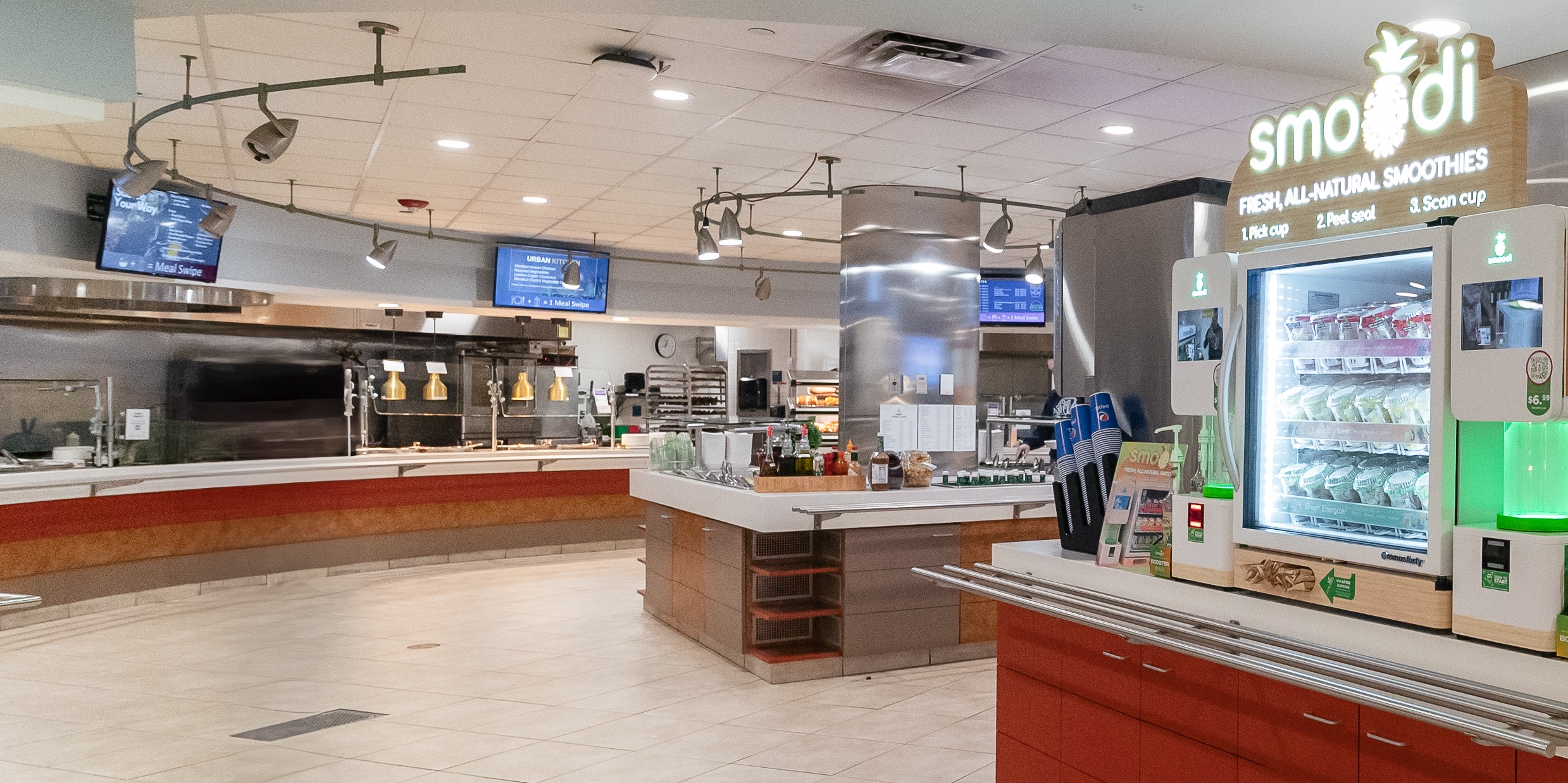
Smoodi's machine occupies approximately 40 inches of floor space, making it suitable for placement in dining halls, activity rooms, wellness centers, or common areas within a senior living community. The installation requires a standard 120 VAC outlet, push-to-connect water and sanitizer inlets, and a drain connection.
The fruit cups have a shelf life of up to two years and are distributed through Dot Foods. Operators typically restock on a weekly or bi-weekly basis depending on volume. The long shelf life eliminates waste from spoilage, which is a significant advantage for communities with variable daily consumption patterns.
Operational leases start at $299 per month on a 48-month term, with shorter terms available at $349 (36 months), $399 (24 months), and $499 (12 months). Purchase is available starting at $14,999. For senior living operators evaluating the cost per serving against their per-resident food budget, the lease model often fits within existing food-and-beverage line items without requiring capital approval.
How Are Senior Living Communities Using Smoothie Stations?
Communities that have adopted automated smoothie stations report several common use patterns. Stations placed near fitness areas serve residents who participate in physical therapy or exercise programs. Stations in dining halls offer an additional breakfast or snack option alongside traditional meal service. Stations in common areas provide an all-day self-service amenity that residents can access independently, supporting the trend toward flexible, on-demand dining.
For administrators and dining directors, the appeal goes beyond nutrition. A visible, modern amenity like an automated smoothie station contributes to the community's marketability. Prospective residents and their families evaluate dining quality as one of the top factors in choosing a senior living community. An amenity that signals investment in health, wellness, and modern food options supports occupancy goals.
Smoodi operates in more than 300 locations across the United States, including healthcare and senior care environments, and has served more than two million smoothies since its founding at Harvard Innovation Labs. To explore how a smoothie station fits into your senior living dining program, visit getsmoodi.com/get-started.
Ready to bring Smoodi to your location?
Join hundreds of operators delivering fresh, automated smoothies with zero labor.
Get Started