How Can Waterparks Offer Healthier Concession Options?
Waterparks and pool facilities serve millions of summer visitors but offer limited healthy food. Automated smoothie stations fit snack bar environments with zero kitchen infrastructure.
Waterparks, public pools, aquatic centers, and outdoor pool facilities serve millions of visitors during summer months. Average dwell times range from three to five hours, and the vast majority of visitors are families with children who arrive expecting a full day of activity. The food and beverage experience at these venues is a significant component of the overall visit, yet the concession model at most aquatic venues has not changed in decades.
Hot dogs, nachos, soft pretzels, french fries, soda, and ice cream remain the standard offerings at most waterpark and pool concession stands. Parents who apply sunscreen, pack water bottles, and bring healthy snacks from home are signaling a demand that the venue fails to meet. The disconnect between family health expectations and available concession options is a recognized gap in the outdoor recreation industry.
Why Is Healthy Food Difficult at Aquatic Venues?
The operational environment at waterparks and pool facilities creates specific barriers to fresh food preparation. Heat, humidity, water exposure, and direct sunlight make outdoor food areas challenging for perishable ingredients. Most aquatic venues lack the kitchen infrastructure needed for food preparation beyond deep fryers and warming cabinets. The staff at pools and waterparks are lifeguards, front-desk attendants, and maintenance workers, not trained food service professionals.
Seasonal operation compounds the challenge. Most outdoor aquatic facilities operate from Memorial Day through Labor Day, a window of approximately 100 to 120 days. Building a staffed food program for a seasonal venue requires hiring, training, and managing food service workers for a short season, then releasing them and repeating the process the following year. The economics rarely justify the investment in fresh food preparation when the alternative (a deep fryer and a soda fountain) generates adequate margins with minimal skill requirements.
Indoor waterparks and year-round aquatic centers face a different version of the same problem. Their kitchens are typically designed for basic concession food, and the humid pool environment creates maintenance and hygiene challenges for any food equipment that is not specifically designed for wet conditions.
How Do Self-Service Stations Solve the Problem?
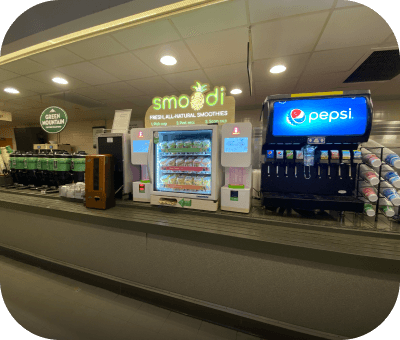
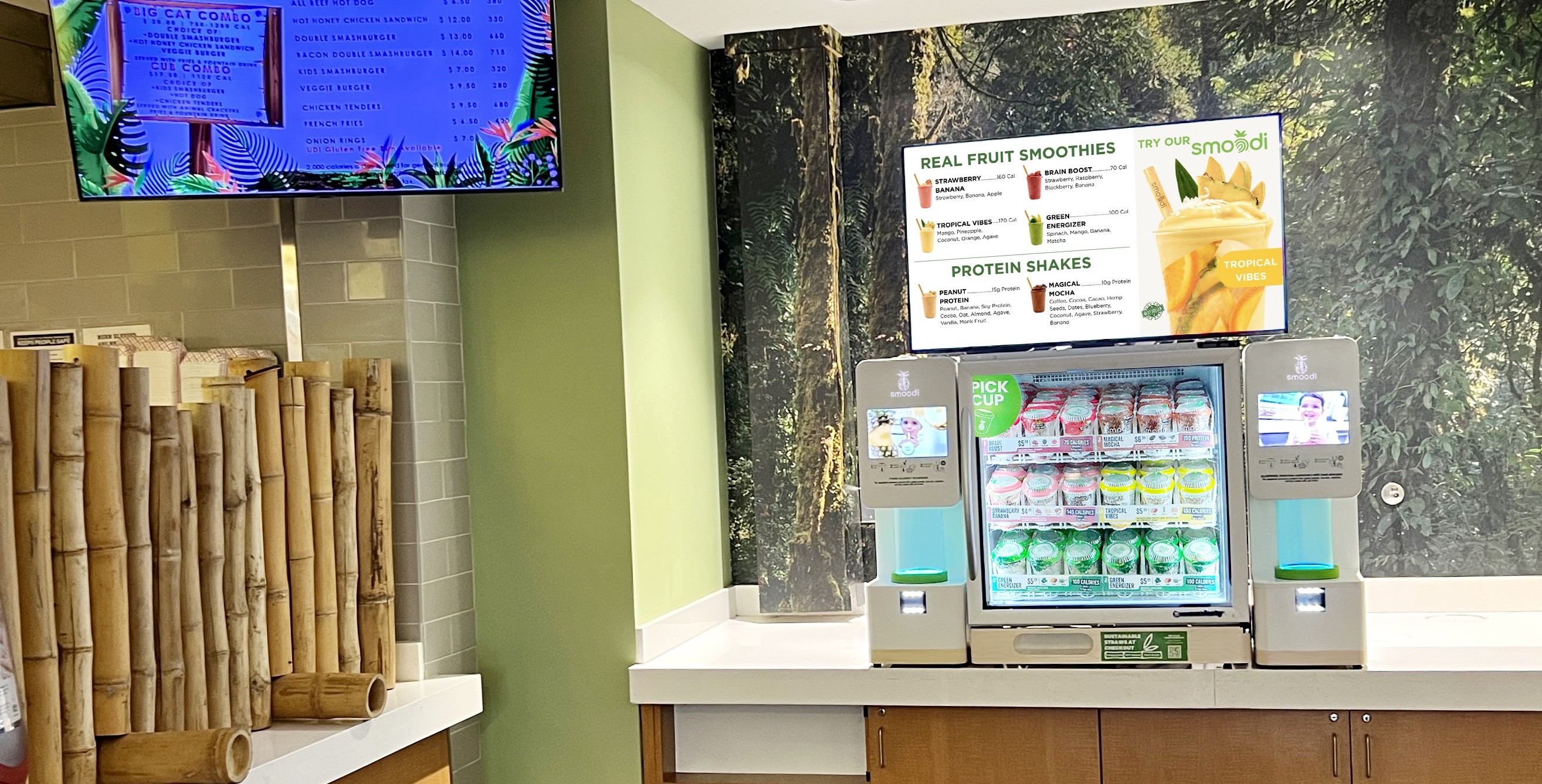
An automated smoothie station addresses every barrier that makes healthy food difficult at aquatic venues. The sealed IQF (individually quick frozen) fruit cups are unaffected by ambient heat until they are opened and loaded into the machine. They are stored in a standard freezer inside the snack bar or concession building, protected from the outdoor environment. The machine itself is designed for commercial environments and self-cleans between every use, handling the humid pool conditions that degrade other equipment.
"We were looking for quick, healthy options for our customers and smoodi ticked all the boxes. It's quick, self-service, and does the job. The feedback has been great - the lines say it all."
— Jim Launer, President, Spooky Nook Sports
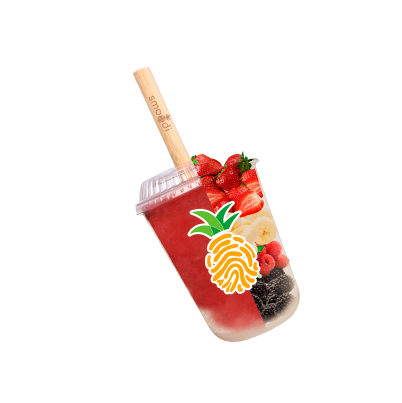
The product itself has inherent appeal at aquatic venues. A cold, fresh fruit smoothie on a hot summer day is exactly what visitors want. It serves as a healthy alternative to ice cream and soda for children, a refreshing option for parents, and a protein-fortifiable recovery drink for competitive swimmers and water aerobics participants. The booster bar (protein powder, collagen, and functional supplements) adds customization that active visitors appreciate.
No food preparation skill is required. A lifeguard or front-desk attendant can restock the machine's cup inventory in minutes, and the self-service model means guests operate the machine themselves. This is critical for venues where the staff has primary responsibilities (patron safety) that cannot be interrupted for food preparation.
How Does Seasonal Operation Affect the Business Case?
IQF fruit cups with a shelf life of up to two years are the key factor that makes the seasonal model work. The venue purchases or receives a supply of cups at the start of the season, stores them in a freezer, and uses them as demand dictates. Any cups remaining at the end of the season carry over to the following year without waste, quality degradation, or disposal costs. This is fundamentally different from perishable food programs that must discard unused inventory at the end of each operating day.
Smoodi's operational lease starts at $299 per month for a 48-month term, scaling to $499 per month for a 12-month term. The purchase option is $14,999. For seasonal venues, the lease terms can be evaluated against the revenue window. A waterpark generating smoothie sales over 100 to 120 operating days needs to determine whether the daily revenue covers the monthly lease cost. For venues with 500 or more daily visitors, the math typically works within the first few weeks of operation.
Year-round indoor waterparks benefit from consistent monthly revenue against a fixed lease cost, with demand peaks during school breaks, weekends, and birthday party bookings.
What Placement Works Best at Aquatic Venues?
- Snack bar or concession stand interior: positions the station alongside existing food options, where visitors are already making purchase decisions
- Cabana or covered seating area: a shaded location near the main pool or wave pool where families gather during rest periods
- Near the entrance or exit: departing visitors often seek a final refreshment, and arriving families may grab a smoothie before settling in for the day
- Indoor waterpark lobby: year-round facilities can place a station in the entry area where it serves both arriving and departing guests
- Competitive pool or swim lesson area: parents watching their children practice or compete often have extended wait times and appreciate healthy food access
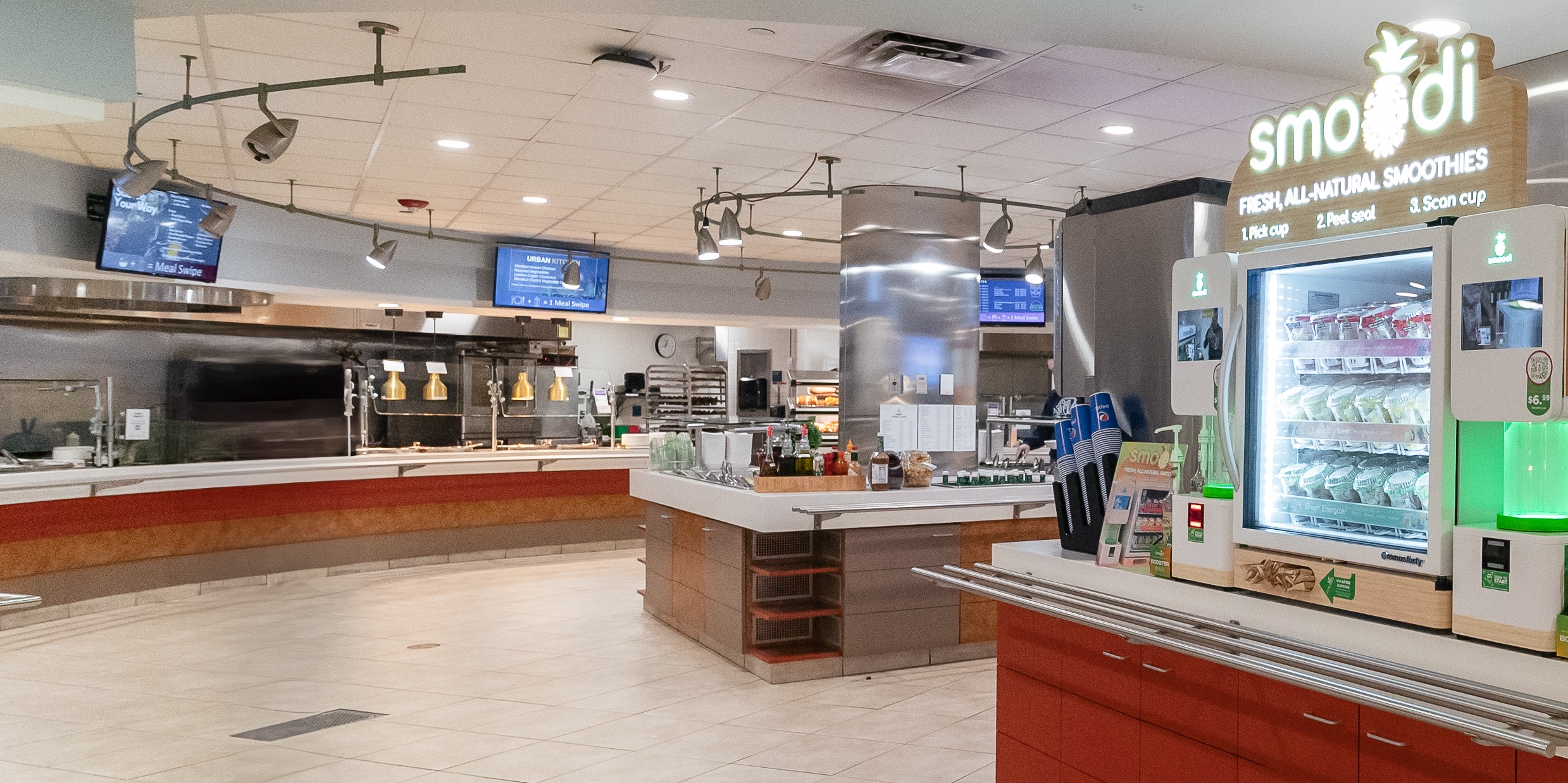
The compact footprint of approximately 40 inches of floor space allows placement inside a snack bar counter, in a covered pavilion, or in a lobby corner without displacing existing concession equipment. Installation requires a standard 120 VAC outlet, water connection, sanitizer inlet, and drain.
How Does This Differentiate the Venue?
For municipal pools and community aquatic centers, offering a healthy food option aligns with the public health mission that most parks and recreation departments promote. A smoothie made from whole fruit with water only (no syrups, concentrates, or artificial ingredients) represents the kind of food option that public health advocates want to see in community recreation settings.
For commercial waterparks and resort pools, a healthy concession option differentiates the venue in a market where food quality is a frequent source of online reviews and social media commentary. Parents who post about their family's waterpark visit are more likely to share positive food experiences than negative ones, and a fresh fruit smoothie is visually and narratively more compelling than a corn dog.
Smoodi operates in more than 300 locations across the United States, with over 2 million smoothies served. The company was founded at Harvard Innovation Labs, and IQF fruit cups are distributed nationally through Dot Foods.
For waterpark operators, municipal pool managers, and aquatic center directors interested in adding a healthy concession option, visit getsmoodi.com/get-started to request a venue assessment. To evaluate the financial impact for your facility, visit getsmoodi.com/roi.
Ready to bring Smoodi to your location?
Join hundreds of operators delivering fresh, automated smoothies with zero labor.
Get Started