How Does Daily Fruit Intake Affect Workplace Productivity?
Only 12.2% of US adults meet daily fruit intake recommendations, and employees with unhealthy diets are 66% more likely to report lower productivity. Explore the research connecting nutrition to performance.
Only 12.2% of US adults currently meet the recommended daily fruit intake according to the CDC. An even smaller proportion, just 9.3%, meets vegetable intake recommendations. These statistics have significant implications beyond personal health. Research consistently shows that dietary habits directly influence cognitive performance, energy levels, and workplace productivity. For employers and foodservice operators, understanding this connection opens the door to practical interventions that benefit both employees and organizations.
The Research on Fruit Intake and Workplace Productivity
Multiple studies have established a clear link between diet quality and workplace performance. Employees with unhealthy diets are 66% more likely to report productivity losses compared to colleagues who eat well. Research suggests that healthier dietary patterns could yield productivity gains of up to 20%, representing a substantial return on investment for organizations that facilitate better nutrition.
The mechanisms behind this connection are well understood. Nutrient-dense foods, particularly fruits rich in vitamins, minerals, and antioxidants, provide the sustained energy and cognitive support that knowledge work demands. In contrast, meals and snacks high in refined sugars and processed ingredients cause rapid blood sugar spikes followed by crashes, leading to the mid-afternoon productivity dips that are familiar in most workplaces.
Fruits offer a unique nutritional profile that supports sustained cognitive performance. They deliver natural sugars paired with fiber, which slows absorption and prevents the sharp blood sugar fluctuations associated with processed snacks. They also provide a complex array of vitamins, minerals, and phytonutrients that support brain function at a cellular level.
Specific Fruits and Their Cognitive Benefits
Not all fruits are created equal when it comes to cognitive performance, although all contribute positively to overall nutrition. Research has identified several fruit categories with particularly strong effects on brain function and workplace productivity.
Blueberries and Memory Enhancement
Blueberries have been the subject of extensive cognitive research. Studies show that regular blueberry consumption enhances memory function and attention span. The anthocyanins in blueberries, the compounds responsible for their deep blue color, have been shown to accumulate in brain regions associated with learning and memory. Research participants who consumed blueberries regularly demonstrated measurable improvements in working memory tasks compared to control groups.
Citrus Fruits and Cognitive Decline Prevention
Higher citrus fruit intake has been related to slower rates of cognitive decline over time. The flavonoids in oranges, grapefruits, and other citrus fruits appear to have neuroprotective properties. While the long-term benefits are significant for aging populations, the short-term effects are relevant for daily workplace performance as well. Vitamin C from citrus fruits supports neurotransmitter production, directly influencing mood, focus, and mental clarity.
Fiber-Rich and Polyphenol-Rich Fruits
Fruits high in both fiber and polyphenols show the strongest effects on sustained cognitive performance. This category includes berries, tropical fruits like mango and acai, and stone fruits. The fiber content regulates energy release, while polyphenols provide antioxidant protection for brain cells and support healthy blood flow to the brain.
Blood Sugar, Energy Crashes, and Afternoon Productivity
One of the most immediate ways that diet affects workplace productivity is through blood sugar regulation. Meals and snacks high in refined sugars and simple carbohydrates cause rapid blood sugar elevation followed by a sharp decline. This cycle, commonly experienced as the mid-afternoon energy crash, directly reduces cognitive performance, attention span, and motivation.
Fruit-based beverages made from whole fruit ingredients offer an alternative to this cycle. The natural sugars in fruit are packaged with fiber, which moderates the rate of sugar absorption into the bloodstream. This results in more stable energy levels throughout the afternoon, reducing the productivity dips that cost organizations significant output each day.
However, not all fruit beverages deliver this benefit. Products made with fruit juice concentrates, added sugars, or syrups can actually worsen blood sugar volatility rather than improving it. The key distinction is whether the beverage contains real, whole fruit with its natural fiber intact or processed derivatives that strip away the fiber and add refined sugars.
How Smoodi Makes Daily Fruit Intake Effortless at Work
The gap between knowing the benefits of fruit intake and actually consuming enough fruit each day is primarily a matter of convenience. Most employees do not have access to fresh fruit at work, and even when they do, the preparation required (washing, cutting, storing) creates friction that discourages consumption. Smoothies made from real fruit eliminate this friction entirely.
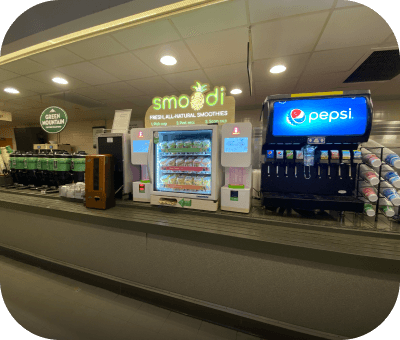
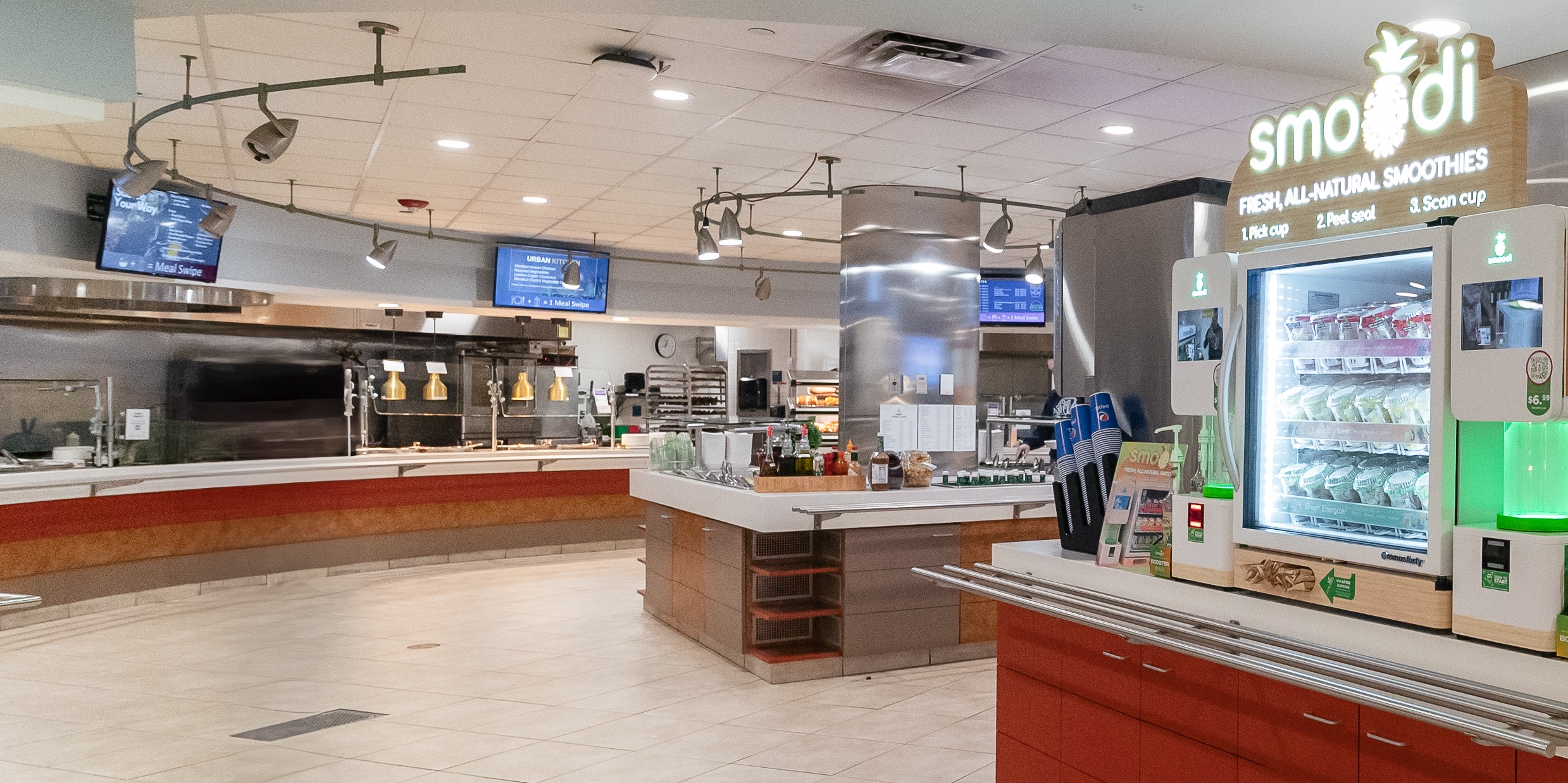
Smoodi's automated smoothie machines deliver real fruit smoothies in under 60 seconds with zero preparation required from the consumer or staff. Each smoothie starts with individually quick frozen (IQF) fruit cups containing real blueberries, strawberries, mango, tropical blends, and other whole fruit ingredients. The cups are blended with water only, with no syrups, concentrates, or artificial ingredients added.
This approach means that every Smoodi smoothie delivers genuine whole fruit nutrition, including the fiber, vitamins, minerals, and polyphenols that research links to improved cognitive performance. Employees can easily increase their daily fruit intake during the workday without any preparation time or cleanup.
"smoodi is hands down the number one perk at our headquarters. Fresh, healthy, and zero effort on our end."
— Katherine Berman, Workplace Experience Manager, Toast
The Employer Perspective on Nutrition and Productivity
For employers, the productivity implications of employee nutrition create a compelling business case for workplace wellness initiatives. If unhealthy diets contribute to a 66% increase in productivity loss, and healthier diets can yield up to 20% productivity gains, then relatively modest investments in workplace nutrition infrastructure can generate meaningful returns.
Traditional approaches to workplace nutrition, such as stocking break rooms with fresh fruit or providing catered healthy meals, require ongoing operational effort and generate significant waste. Fresh fruit bowls go untouched, bananas brown, and berries spoil before they are consumed. These programs are well-intentioned but often inefficient.
Smoodi provides a more operationally efficient approach. The self-service model requires zero staff involvement. The machine self-cleans between every use, maintaining food safety standards without manual labor. The IQF fruit cups have a shelf life of up to two years, eliminating the spoilage waste that undermines traditional fresh fruit programs. Smoodi's booster bar allows employees to add protein, collagen, and other supplements to customize their smoothies for specific nutritional goals.
Practical Implementation for Workplace Wellness
Organizations considering a workplace smoothie program should evaluate several factors:
- Placement: position machines in high-traffic areas such as break rooms, lobbies, or near cafeteria checkout to maximize visibility and usage
- Communication: educate employees about the nutritional benefits of real fruit smoothies and the connection between fruit intake and cognitive performance
- Customization: promote the booster bar options so employees can add protein or other supplements to match their personal health goals
- Tracking: monitor usage patterns to understand peak times and popular flavors, then adjust inventory accordingly
- Integration: position the smoothie program as part of a broader workplace wellness strategy rather than a standalone amenity
Smoodi machines require approximately 40 inches of floor space and connect to a standard 120V outlet with water, sanitizer, and drain connections. With over 300 locations across the US and more than 2 million smoothies served, Smoodi has been deployed successfully in corporate offices, universities, hospitals, fitness centers, and many other environments.
Closing the Fruit Intake Gap at Scale
The data is clear: the vast majority of adults are not eating enough fruit, and this nutritional gap has direct consequences for cognitive performance and workplace productivity. Addressing this gap requires solutions that are convenient, consistent, and genuinely nutritious.
Smoodi was founded at the Harvard Innovation Labs with the specific mission of making real fruit nutrition accessible at scale. By combining automated preparation, IQF fruit cups with zero artificial ingredients, and a self-service model that requires no staff labor, Smoodi removes every barrier that traditionally prevents people from consuming enough fruit during their workday.
Employers and foodservice operators can explore Smoodi through an operational lease starting at $299 per month or a purchase option starting at $14,999. Operators pay lease and cup costs and keep the margin. For high-volume locations, multiple machines can be installed side by side to serve more employees without expanding the footprint significantly. Visit getsmoodi.com to learn how Smoodi can support your workplace nutrition strategy.
Ready to bring Smoodi to your location?
Join hundreds of operators delivering fresh, automated smoothies with zero labor.
Get Started