Why Is Fiber the Next Big Trend in Foodservice Beverages?
Most Americans consume less than half the recommended daily fiber intake. Fiber-rich beverages are emerging as the next major foodservice trend, with PepsiCo, Johns Hopkins, and dietary guidelines all pointing to fiber as the nutrient of 2026.
Fiber has become the defining nutrient of 2026. The USDA Dietary Guidelines recommend 25 grams of fiber per day for women and 38 grams for men, yet most Americans consume less than half of those amounts. This persistent fiber gap has caught the attention of major food manufacturers, public health researchers, and foodservice operators simultaneously. PepsiCo launched fiber-enhanced product lines in early 2026. Johns Hopkins Center for a Livable Future identified fiber-maxxing as a top 2026 food trend. The 2025 to 2030 Dietary Guidelines explicitly state that high-fiber foods support a diverse microbiome. For foodservice operators, the fiber trend represents both a consumer demand opportunity and a nutritional responsibility.
Why Are Consumers Suddenly Focused on Fiber?
Consumer interest in fiber is not sudden. It is the culmination of several converging forces that reached critical mass in 2026. The gut health movement, now a $60.3 billion market in digestive health products, has educated consumers about the role of fiber as a prebiotic that feeds beneficial gut bacteria. The GLP-1 medication trend has introduced 18 percent of American adults to the concept of satiety hormones, and research shows that fiber-rich foods naturally stimulate GLP-1 production in the body, extending feelings of fullness for hours after eating.
The protein trend, which has dominated foodservice for several years, is now being complemented rather than replaced by fiber. Industry analysts describe 2026 as the year protein and fiber became co-priorities. Consumers no longer seek just high-protein options. They seek high-protein, high-fiber options that deliver sustained energy, digestive health, and metabolic support in a single product. This dual demand creates a specific product profile that whole-fruit beverages are uniquely positioned to fill.
Major brands have validated the trend with product launches. PepsiCo introduced Smartfood FiberPop delivering 6 grams of fiber per serving and SunChips Fiber providing 3 grams in March 2026. When the largest food companies in the world invest in fiber-forward product lines, the trend has moved from prediction to market reality. Foodservice operators who do not offer fiber-rich options risk falling behind both consumer expectations and competitive offerings.
What Makes Fiber Important for Foodservice Menus?
Fiber's value to foodservice operators extends beyond meeting consumer demand. It addresses multiple institutional requirements simultaneously. The 2025 to 2030 Dietary Guidelines call for Americans to increase fiber intake through whole grains, fruits, vegetables, and legumes. Institutional foodservice programs in schools, hospitals, universities, and government facilities are evaluated against these guidelines. A foodservice program that demonstrates fiber-rich offerings shows alignment with federal nutrition science.
From a clinical perspective, adequate fiber intake reduces the risk of cardiovascular disease, type 2 diabetes, certain cancers, and obesity. For healthcare foodservice operators, offering high-fiber options supports patient outcomes. For corporate wellness programs, fiber-rich food access contributes to employee health KPIs. For senior living dining services, fiber supports the digestive health challenges that are common in aging populations.
The metabolic eating trend reinforces fiber's position. The Food Institute identified metabolic eating as a top 2026 diet trend, describing a consumer focus on managing inflammation, supporting stable blood sugar levels, and optimizing metabolic health through food choices. Fiber is the single nutrient most consistently associated with all three of those goals. Operators who offer fiber-rich beverages are not following a fad. They are aligning with the direction nutritional science is heading.
How Do Whole-Fruit Beverages Deliver Fiber?
Not all beverages deliver fiber equally. Juice, the traditional fruit beverage in foodservice, removes fiber during the extraction process. A glass of orange juice contains a fraction of the fiber found in a whole orange. Smoothies made from concentrates, syrups, or fruit-flavored bases contain little to no naturally occurring fiber. The fiber must come from the whole fruit being retained in the final product.
Smoothies made from whole fruits, where the entire fruit is blended rather than juiced, retain the dietary fiber that consumers and dietary guidelines prioritize. The blending process breaks down the fruit's cellular structure for easier consumption and nutrient absorption while keeping the fiber intact. A whole-fruit smoothie made from blueberries, mangoes, or strawberries delivers grams of dietary fiber per serving alongside vitamins, antioxidants, polyphenols, and natural prebiotics.
This distinction matters for operators making beverage program decisions. A juice program and a whole-fruit smoothie program occupy different positions in the fiber conversation. Juice programs face increasing scrutiny from nutrition-conscious consumers who recognize that juice removes the fiber they are seeking. Whole-fruit smoothie programs, by contrast, are aligned with both consumer demand and dietary guidelines that emphasize whole foods over extracts.
What Does the Fiber Trend Mean for Beverage Program Strategy?
For foodservice operators evaluating their beverage programs in 2026, fiber creates a strategic lens for decision-making. The questions are straightforward. Does your current beverage program include any options that deliver dietary fiber? Are those options made from whole foods or from fortified formulations with added fiber isolates? Can you communicate the fiber content of your offerings to health-conscious consumers? Is your beverage program aligned with the 2025 to 2030 Dietary Guidelines that prioritize fiber?
Operators who answer no to these questions face a growing competitive gap. As major brands launch fiber-forward products and consumers become educated about the fiber gap, foodservice programs that offer only juice, soda, flavored water, and sports drinks will increasingly appear incomplete. The fiber trend is not asking operators to replace their entire beverage lineup. It is asking them to add at least one option that delivers real fiber from whole food sources.
The implementation challenge is the same one that affects all healthy food programs in foodservice: how to offer a fiber-rich, whole-food beverage without adding labor, complexity, and perishable inventory management. The solution is the same one that has scaled across 300-plus locations and two million-plus servings: automated preparation from shelf-stable whole-food ingredients.
How Does Smoodi Deliver Fiber from Whole Fruit?
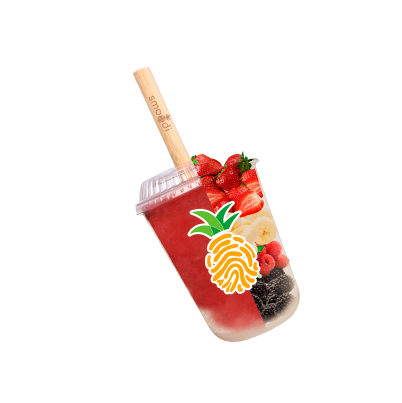
Smoodi's automated smoothie machine blends whole IQF (individually quick frozen) real fruit cups with water only. The fruit is not juiced, not concentrated, and not extracted. The entire fruit is blended, retaining the dietary fiber that juice programs remove. Every smoothie delivers naturally occurring fiber alongside vitamins, antioxidants, polyphenols, and prebiotic compounds from real blueberries, mangoes, strawberries, and other fruits.
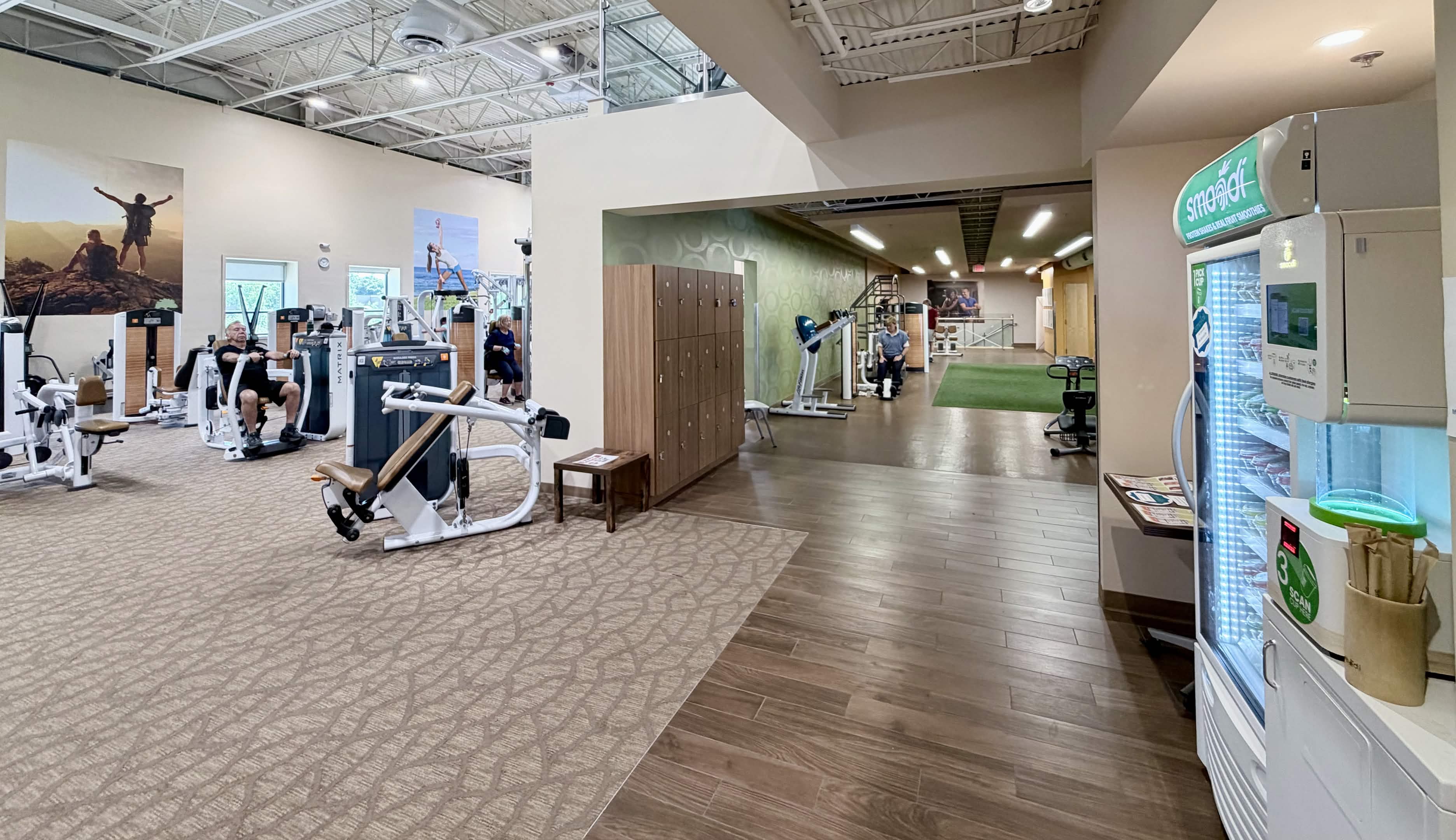
"I have been looking to add a smoothie bar for years but did not want to deal with the labor and food waste. Having smoodi in our facility is a huge benefit for our members."
— Adam Healy, General Manager, Waverly Oaks Athletic Club
Zero syrups, zero concentrates, zero artificial ingredients, zero added sugar. The booster bar adds protein powder, collagen, and other functional supplements, making every smoothie a customizable vehicle for protein plus fiber, the dual nutritional priority of 2026. The machine blends a fresh smoothie in under 60 seconds and self-cleans between every use, requiring no dedicated staff. The compact design requires approximately 40 inches of floor space.
IQF fruit cups have a shelf life of up to two years. Distribution is through Dot Foods. Smoodi operates in more than 300 locations across the United States, with over 2 million smoothies served. The company was founded at Harvard Innovation Labs. The operational lease starts at $299 per month for a 48-month term, with a purchase option at $14,999. Operators looking to add fiber-rich, whole-fruit beverages to their programs can explore options at getsmoodi.com/get-started.
Ready to bring Smoodi to your location?
Join hundreds of operators delivering fresh, automated smoothies with zero labor.
Get Started