How Is Food as Medicine Changing Foodservice?
Food as medicine is reshaping menus across hospitals, campuses, and corporate dining. Operators need whole-ingredient solutions that scale without added labor.
The concept of food as medicine has shifted from a consumer wellness trend to an operational mandate across multiple foodservice verticals in 2026. The convergence is striking. The HHS Make Hospital Food Healthier pledge (July 2026) asks hospitals to eliminate ultra-processed foods and sugar-sweetened beverages. Senior living communities are redesigning menus around food-as-medicine principles to support brain health, mobility, and overall vitality. Campus dining programs report a 40 percent year-over-year increase in demand for clean eating and minimally processed foods (Chartwells CDI 2026). And GLP-1 medications are accelerating the broader shift: one in nine U.S. adults now takes a GLP-1 drug, and these patients actively reduce their consumption of processed foods.
For foodservice operators, the question is no longer whether to move toward whole-ingredient, nutrient-dense programs. The question is how to do so without adding ingredient complexity, kitchen staff, or food preparation time.
What Is Driving the Food as Medicine Movement?
Four distinct forces are converging to push foodservice programs toward whole-ingredient menus.
First, government policy is creating institutional pressure. The HHS Make Hospital Food Healthier pledge, launched July 8, 2026, asks hospitals to limit ultra-processed foods, prioritize nutrient-dense options aligned with the 2025-2030 Dietary Guidelines, and eliminate deep-frying. This follows the March 2026 CMS memorandum on hospital nutrition obligations. While the pledge is voluntary, it establishes a public benchmark that hospitals will be measured against.
Second, GLP-1 medications are reshaping consumer food behavior at scale. One in nine U.S. adults now takes a GLP-1 drug (up from approximately 3 percent in 2024). Users reduce grocery spending by 6 percent and restaurant spending by 8 percent while actively avoiding ultra-processed foods (FTI Consulting). America's obesity rate has declined from 39.9 percent in 2022 to 36.4 percent in 2026. Food manufacturers are responding: companies across the industry are reformulating products for protein adequacy and digestibility. For foodservice operators, this means a growing segment of customers who will reject processed menu items in favor of whole-ingredient options.
Third, generational preferences are accelerating the shift. Chartwells Higher Education CDI 2026 reports that high protein is the number one dietary preference among college students at 28 percent, and clean eating demand has increased 40 percent year over year. Smoothies are the number one requested beverage on campus at 45 percent. These students will carry these preferences into corporate offices, healthcare settings, and every other venue they visit for decades to come.
Fourth, senior living is embracing food as medicine for clinical outcomes. Strategic Dining Services 2026 and Gordon Food Service's outlook both highlight food-as-medicine menus designed to support cognitive health, reduce inflammation, and maintain mobility in aging populations. In senior living, the connection between food quality and resident health outcomes is direct and measurable.
Which Verticals Are Moving Fastest?
Healthcare
Hospitals face the most direct pressure through the HHS pledge and CMS oversight. The combination of regulatory signaling, patient expectations, and staff wellness programs is driving healthcare foodservice toward whole-ingredient menus. The challenge is acute: hospital kitchens are understaffed, and most dietary departments rely on processed, heat-and-serve products to maintain service with limited labor.
Higher Education
University dining directors respond to student demand data by adding plant-based proteins, smoothie stations, and clean-eating options. The campus dining hall is increasingly seen as a wellness amenity, not just a food provider. Schools that invest in fresh, whole-ingredient programs gain a competitive advantage in student recruitment and retention.
Corporate and Workplace
Employer-sponsored food programs are evolving beyond the snack pantry. The DoorDash 2026 Workplace Meal Trends Report confirms that workplace meal benefits are a strategic engagement tool. The HR Digest reports personalized nutrition support as a top 2026 workplace wellness trend. Corporate wellness budgets, averaging 3:1 to 6:1 ROI according to Wellhub benchmarks, increasingly fund food amenities that deliver measurable health outcomes for employees.
Senior Living
Senior living communities are redesigning dining programs around anti-inflammatory diets, brain-health menus, and functional nutrition. Food as medicine in senior living is not aspirational; it is clinical. Menu decisions directly affect medication efficacy, fall risk, cognitive function, and resident satisfaction scores.
Fitness and Recreation
Gyms, recreation centers, and sports facilities are extending their wellness mission into food offerings. A fitness center that invests in quality equipment but offers only vending machine snacks sends a contradictory message. Whole-fruit, protein-enriched beverages align the food program with the facility's health-focused identity.
What Are the Operational Requirements?
Across all these verticals, the operational requirements for implementing food-as-medicine programs are consistent.
- Whole ingredients: products made from identifiable, minimally processed ingredients, not industrial formulations with long additive lists
- Functional nutrition: the ability to add protein, collagen, or other supplements that serve specific health goals without requiring specialized preparation
- Zero or minimal added labor: most foodservice operations cannot hire additional kitchen staff to support a new menu initiative
- Scalable delivery: the solution must work across multiple locations, shifts, and demand levels without per-location customization
- Low waste: fresh ingredient programs generate spoilage when demand is variable, and operators need formats that eliminate waste risk
How Do Operators Implement Without Adding Complexity?
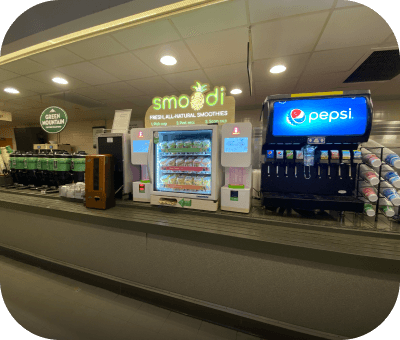
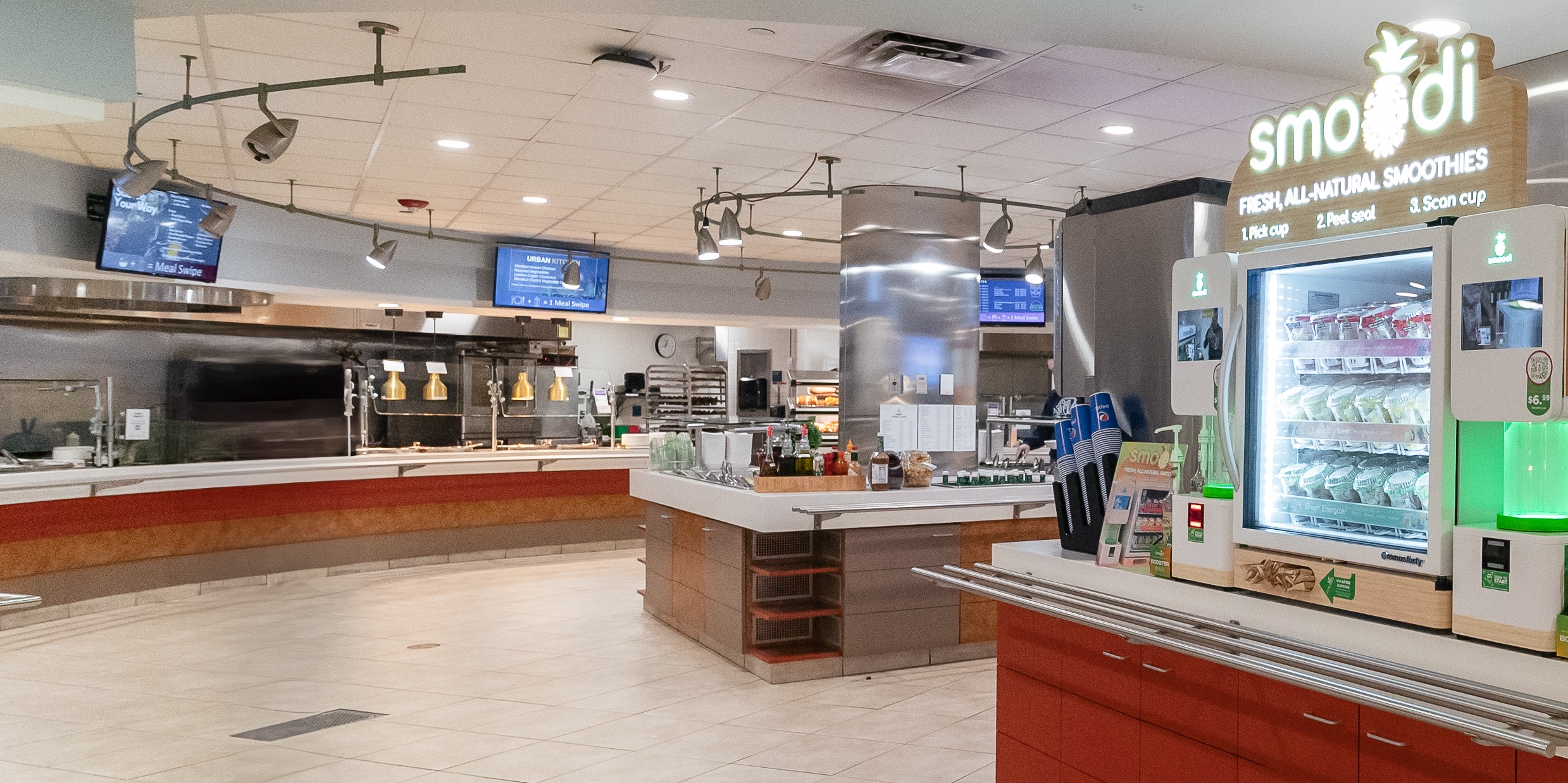
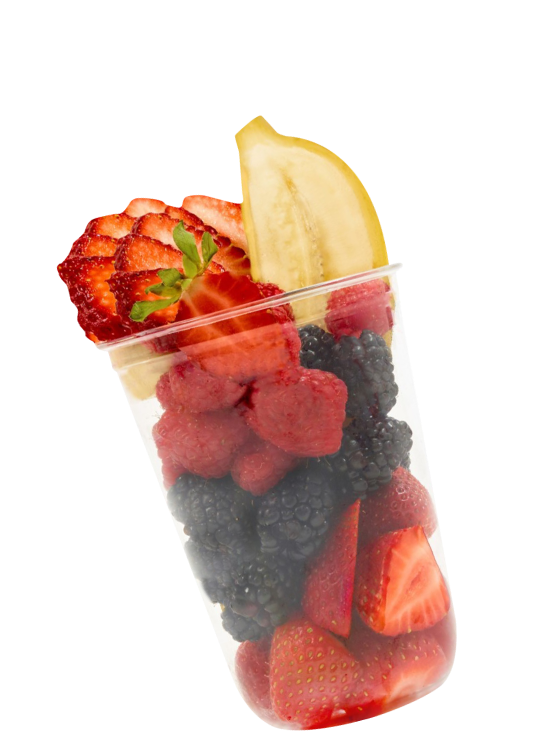
Smoodi's automated smoothie machine addresses every operational requirement on this list. IQF (individually quick frozen) fruit cups are blended with water only. No syrups, concentrates, or artificial ingredients. The product qualifies as whole-ingredient by any standard. The booster bar provides protein powder, collagen, and functional supplements, delivering the functional nutrition layer without requiring operators to source, store, or prepare specialty ingredients.
"The investment into smoodi has been phenomenal. We broke even in the first couple of weeks."
— Linda Thacker, Director of Dining Services, Maryville University
The machine blends a smoothie in under 60 seconds, self-cleans between every use, and occupies approximately 40 inches of floor space. Zero labor is required. IQF fruit cups have a shelf life of up to two years, eliminating spoilage entirely. Cups are distributed nationally through Dot Foods, ensuring consistent supply regardless of location.
Smoodi's operational lease starts at $299 per month for a 48-month term, scaling to $499 per month for a 12-month term. The purchase option is $14,999. Smoodi operates in more than 300 locations across the United States, with over 2 million smoothies served. The company was founded at Harvard Innovation Labs.
For foodservice operators across healthcare, campus dining, corporate, senior living, and fitness verticals, the food-as-medicine movement creates both urgency and opportunity. The operators who move first will establish their programs as the standard. Explore whole-ingredient deployment options at getsmoodi.com/get-started. To evaluate the financial impact, visit getsmoodi.com/roi.
Ready to bring Smoodi to your location?
Join hundreds of operators delivering fresh, automated smoothies with zero labor.
Get Started