How Is the Functional Beverage Boom Reshaping Menus?
The global functional beverage market is projected to exceed $220 billion by 2026. For foodservice operators, the question is not whether to add functional beverages but how to do it without complexity, waste, and additional labor.
The global functional beverage market is projected to reach more than $220 billion by 2026, growing at an 8.5% compound annual growth rate. The US market alone accounts for $67 to $70 billion of that total. These are not niche products anymore. Functional beverages, defined as drinks that deliver specific health benefits beyond basic nutrition, have moved from specialty retail shelves into mainstream foodservice menus. For operators across every vertical, from hospitals to hotels to university dining halls, the functional beverage boom is creating both opportunity and operational complexity.
The challenge for foodservice operators is straightforward: customers want functional beverages, but adding them to an existing menu often means adding ingredients, equipment, training, and waste streams that the operation is not designed to handle. The operators capturing this market effectively are finding ways to offer functional options through formats that simplify rather than complicate their operations.
Which Functional Ingredients Are Driving Demand?
Not all functional ingredients carry equal weight in foodservice. Several categories are generating the strongest and most sustained consumer demand in 2026.
Protein
Protein remains the number one functional ingredient trend in foodservice, driven by widespread consumer interest in muscle maintenance, satiety, and metabolic health. The rise of GLP-1 medications has amplified this demand, as patients on these drugs are specifically advised to increase protein intake to preserve lean muscle mass during weight loss. High-protein menu items have moved from gym cafeterias to mainstream dining, and operators who do not offer protein-enhanced options are increasingly out of step with customer expectations.
Collagen
Collagen reached its highest historical search interest in March 2026, reflecting a consumer base that has moved well beyond early adopters. Collagen peptides are valued for their associations with skin health, joint support, and gut lining repair. In foodservice, collagen is most commonly offered as a powder supplement added to beverages, making it particularly well suited for smoothie and beverage programs where it can be blended seamlessly into the drink without affecting flavor.
Fiber and Prebiotics
Gut health awareness has driven strong demand for fiber-rich and prebiotic beverages. The average American consumes only 15 grams of fiber per day, roughly half the recommended intake. Consumers are actively seeking ways to close this gap, and beverages that contain whole fruit (including naturally occurring fiber) have a built-in advantage over juices and concentrates that strip fiber during processing.
Adaptogens and Nootropics
Ingredients like ashwagandha, lion's mane, and reishi mushroom are moving from supplement stores into mainstream beverage menus. While still a smaller category than protein or collagen, adaptogens represent the fastest-growing segment of functional ingredients in specialty beverage programs. Their inclusion signals a broader consumer shift toward beverages that support mental clarity, stress management, and sustained energy without caffeine.
Why Self-Service Blended Formats Outperform Bottled RTD
Ready-to-drink (RTD) bottled functional beverages are widely available, but they carry significant disadvantages for foodservice operators compared to fresh-blended formats.
Bottled RTD products require refrigerated display space, inventory management, and regular rotation to prevent expiration. They offer fixed formulations that cannot be customized, and their margins are typically lower than beverages prepared on-site. When a customer buys a bottled smoothie from a cooler, the operator captures a retail markup. When the same customer orders a fresh-blended smoothie with a protein booster, the operator captures a preparation margin plus an upsell.
Fresh-blended formats also deliver a stronger product. Whole fruit blended on demand retains its natural fiber structure, micronutrients, and bioavailable vitamins. Bottled products are typically heat-treated (pasteurized) to extend shelf life, which degrades nutrient content and changes the texture and taste profile. Customers notice the difference, and they are willing to pay more for a product they perceive as fresher and healthier.
The operational challenge with fresh-blended beverages has traditionally been labor. A staffed juice or smoothie bar requires dedicated employees, fresh ingredient management, and continuous cleaning. This is where automated blending changes the equation.
How Smoodi Delivers Functional Beverages Without the Complexity
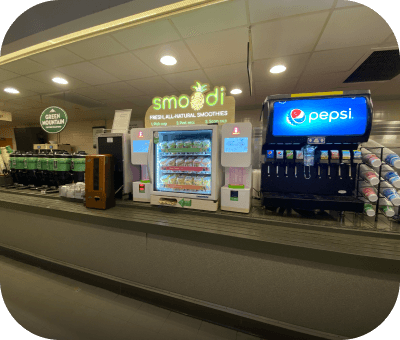
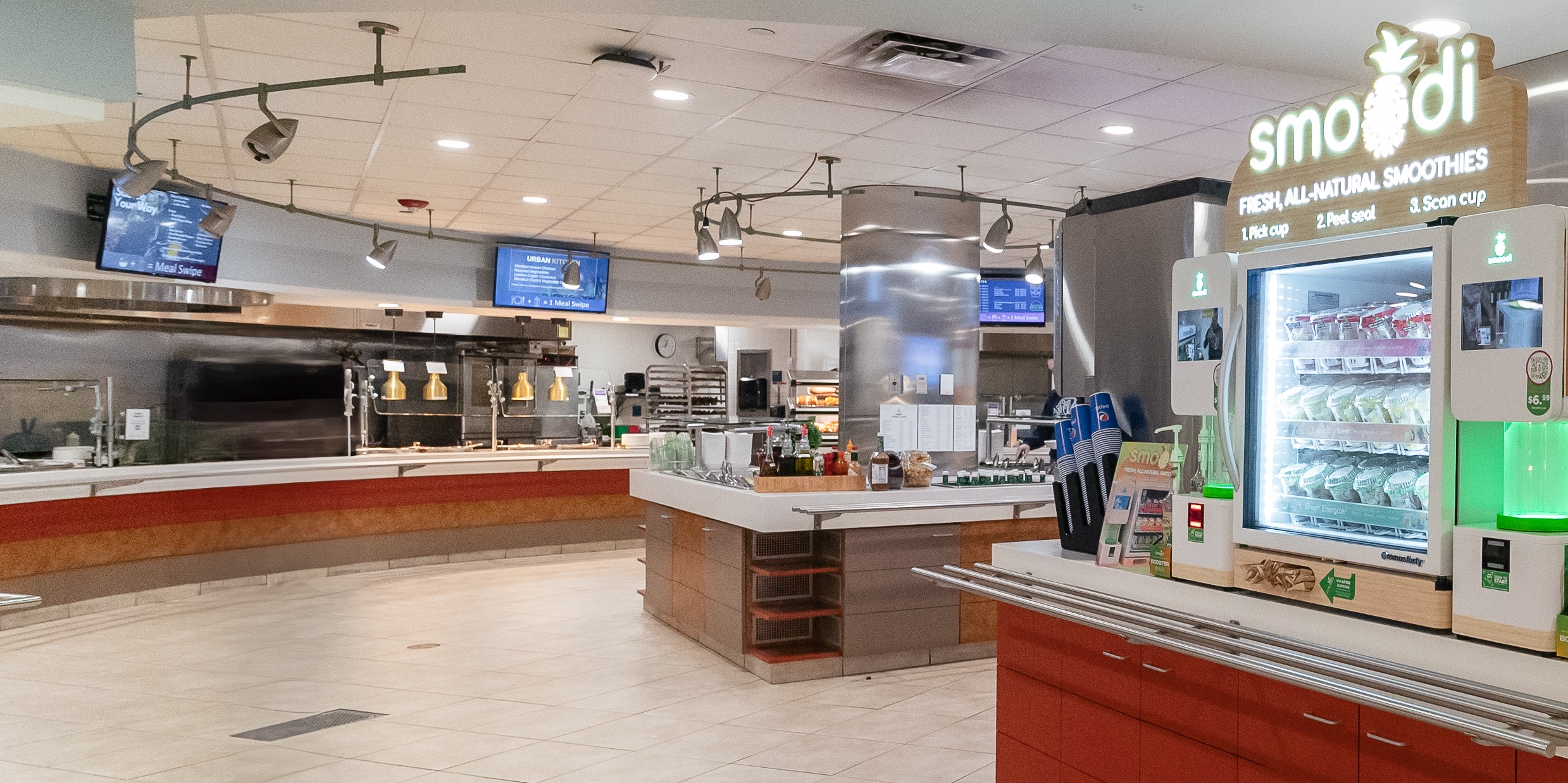
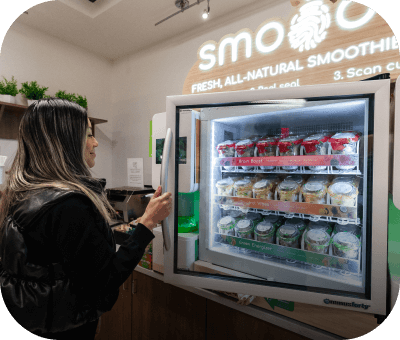
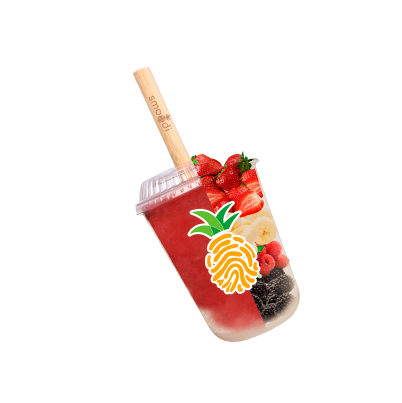
Smoodi's automated smoothie machine offers foodservice operators a way to participate in the functional beverage boom without adding labor, ingredient complexity, or waste to their operation. The machine blends each smoothie from sealed IQF (individually quick frozen) fruit cups containing real frozen fruit, using water only. No syrups, concentrates, or artificial ingredients are involved. Each smoothie is blended fresh in under 60 seconds, and the machine self-cleans between every use.
The booster bar is where the functional beverage capability comes into focus. Customers can add protein powder, collagen, and other supplements to their smoothie, transforming a fruit-based beverage into a targeted functional drink. This customization happens at the point of service with no additional staff involvement and no ingredient prep required. The operator stocks the boosters alongside the fruit cups, and customers self-select their additions.
For operators, this model eliminates the primary barriers to offering functional beverages. There is no need to source and manage multiple perishable ingredients. There is no need to train staff on supplement portioning or preparation. There is no waste from opened containers of specialty powders or expired fresh ingredients. The sealed fruit cups have a shelf life of up to two years, and the booster supplements are shelf-stable dry powders.
"As an office leader, I'm always looking for ways to support my team's health and productivity. smoodi's variety of healthy options are a game-changer."
— Karen Hood, Manager, ZS
What Should Operators Consider When Adding Functional Beverages?
Operators evaluating their functional beverage strategy should focus on several practical factors:
- Start with the highest-demand categories (protein and collagen) before expanding into more niche ingredients like adaptogens
- Evaluate the labor impact of each delivery format, comparing staffed preparation against self-service and automated options
- Prioritize formats that use whole, real ingredients rather than concentrates or syrups, as clean-label expectations continue to grow
- Consider whether the format allows customization, since customers increasingly want to personalize their functional beverages
- Assess waste and shelf life for each ingredient to protect margins on what are typically premium-priced products
The functional beverage boom is not a trend that will reverse. Consumer demand for beverages that deliver specific health benefits is structural, driven by aging populations, preventive health consciousness, and growing scientific literacy about nutrition. Operators who establish functional beverage programs now position themselves for sustained demand.
Capturing the Functional Beverage Opportunity
Smoodi operates in more than 300 locations across the United States and has served over 2 million smoothies. The machine's compact footprint (approximately 40 inches of floor space), standard electrical requirements (120 VAC, 7A), and self-cleaning operation make it viable for any location where customers want functional nutrition. The combination of real-fruit smoothies and a customizable booster bar delivers the functional beverage experience that customers are seeking, in a format that operators can sustain without adding staff or complexity.
Operators interested in adding functional beverages to their program can explore Smoodi's booster bar options and lease programs starting at $299 per month. Visit getsmoodi.com/get-started for details.
Ready to bring Smoodi to your location?
Join hundreds of operators delivering fresh, automated smoothies with zero labor.
Get Started