What Are the Top Functional Beverages for Foodservice?
Functional beverages lead the NRA's 2026 trend list. For operators, protein smoothies offer the highest margin with the lowest labor and equipment requirements.
Functional beverages are the number one trend on the National Restaurant Association's What's Hot 2026 report, and the category is growing across every foodservice channel. These are drinks that deliver specific health benefits beyond basic hydration: protein for muscle recovery, adaptogens for stress management, probiotics for gut health, collagen for skin and joint support, or nootropics for cognitive function. For foodservice operators, the question is not whether to offer functional beverages but which category delivers the best combination of margin, operational simplicity, and consumer demand.
What Are Functional Beverages and Why Are They Growing?
The functional beverage category encompasses any drink formulated to provide a targeted health benefit. The category has expanded well beyond traditional energy drinks and sports beverages. Nestle Professional's 2026 trends report highlights personalized functional beverages and mood/wellness category growth as defining forces in commercial foodservice. Made-to-order frozen beverages (smoothies, milkshakes, frozen coffee) are called out specifically for growth in both convenience and foodservice channels.
Several demographic forces are accelerating the trend. Millennials and Gen Z consumers are driving demand for beverages that serve a purpose beyond refreshment. NielsenIQ 2026 data shows that 35 percent of Gen Z consumers in the United States prefer alcohol-free social beverages, redirecting spending toward functional alternatives like adaptogen tonics, protein smoothies, and gut-health drinks. The global smoothie market alone is projected to reach $27.35 billion in 2026 and grow to $47.71 billion by 2034 at a 7.2 percent CAGR (Fortune Business Insights).
For foodservice operators, this consumer shift represents both an opportunity and a complexity challenge. Consumers want functional beverages, but many functional categories require specialized ingredients, trained staff, and dedicated equipment that most foodservice operations cannot accommodate.
Which Functional Beverage Categories Are Operators Considering?
The functional beverage landscape includes several distinct categories, each with different operational requirements for foodservice environments.
Energy and Performance Drinks
Pre-packaged energy drinks remain the largest functional beverage category by revenue. They require no preparation and are typically distributed through vending or cooler displays. Margins are moderate, and the products are widely available through standard beverage distributors. The limitation is differentiation: every facility in the market can offer the same branded products, providing no competitive advantage.
Adaptogen and Nootropic Beverages
Drinks featuring ingredients like ashwagandha, rhodiola, lion's mane mushroom, and L-theanine are gaining popularity for promoting mental clarity and stress reduction. These products require specialized ingredient sourcing, precise formulations, and often trained staff who can explain the benefits to consumers. Most adaptogen beverages are sold through specialty cafes and wellness-focused retail, not mainstream foodservice operations.
Probiotic and Gut-Health Beverages
Kombucha, kefir, and other fermented beverages address the growing consumer interest in gut microbiome health. These products require cold-chain storage, have relatively short shelf lives, and present food safety considerations (live cultures, fermentation management) that complicate large-scale foodservice deployment.
Protein and Recovery Smoothies
Whole-fruit smoothies with protein, collagen, or other functional supplements address the post-workout recovery, meal replacement, and healthy snacking occasions. This category aligns with the broadest consumer base: athletes, office workers seeking an afternoon energy boost, students between classes, and patients in healthcare settings. The operational profile varies widely depending on whether smoothies are prepared by staff (requiring blenders, fresh ingredients, cleaning, and trained labor) or delivered through automated equipment.
Infused Waters and Hydration Beverages
Electrolyte-enhanced and vitamin-infused waters serve the hydration segment. These are typically pre-packaged and distributed through the same channels as traditional bottled water. Margins are thin, and differentiation is difficult without brand partnerships.
How Should Operators Evaluate Functional Beverage Options?
For foodservice directors and facility managers adding a functional beverage program, four criteria determine which category is practical for their operation.
- Ingredient complexity: Does the category require specialized, hard-to-source ingredients (adaptogens, live cultures) or widely available ingredients (frozen fruit, protein powder)?
- Labor requirements: Does preparation require a trained barista or beverage specialist, or can the product be delivered without dedicated staff?
- Equipment investment: Does the category require commercial blenders, fermentation systems, or specialized dispensers, and what is the capital or lease cost?
- Margin potential: What is the per-unit cost versus the selling price, and does the category support price points that reflect the functional benefit?
When evaluated across these four dimensions, whole-fruit protein smoothies consistently score highest for mainstream foodservice operators. The ingredients (frozen fruit, water, protein powder) are commodity products with stable supply chains. The preparation can be fully automated, eliminating labor costs. Equipment is available through lease models that avoid capital expenditure. And the selling price ($5 to $8 per smoothie) supports margins that exceed most other functional beverage categories.
"We've had great success with smoodi across corporate offices and collegiate locations."
— Marcel Winokur, Director of Innovation, Aramark
Why Do Whole-Fruit Protein Smoothies Lead for Operators?
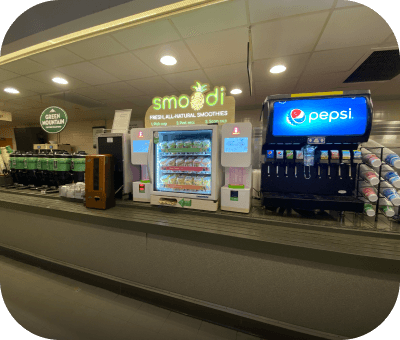
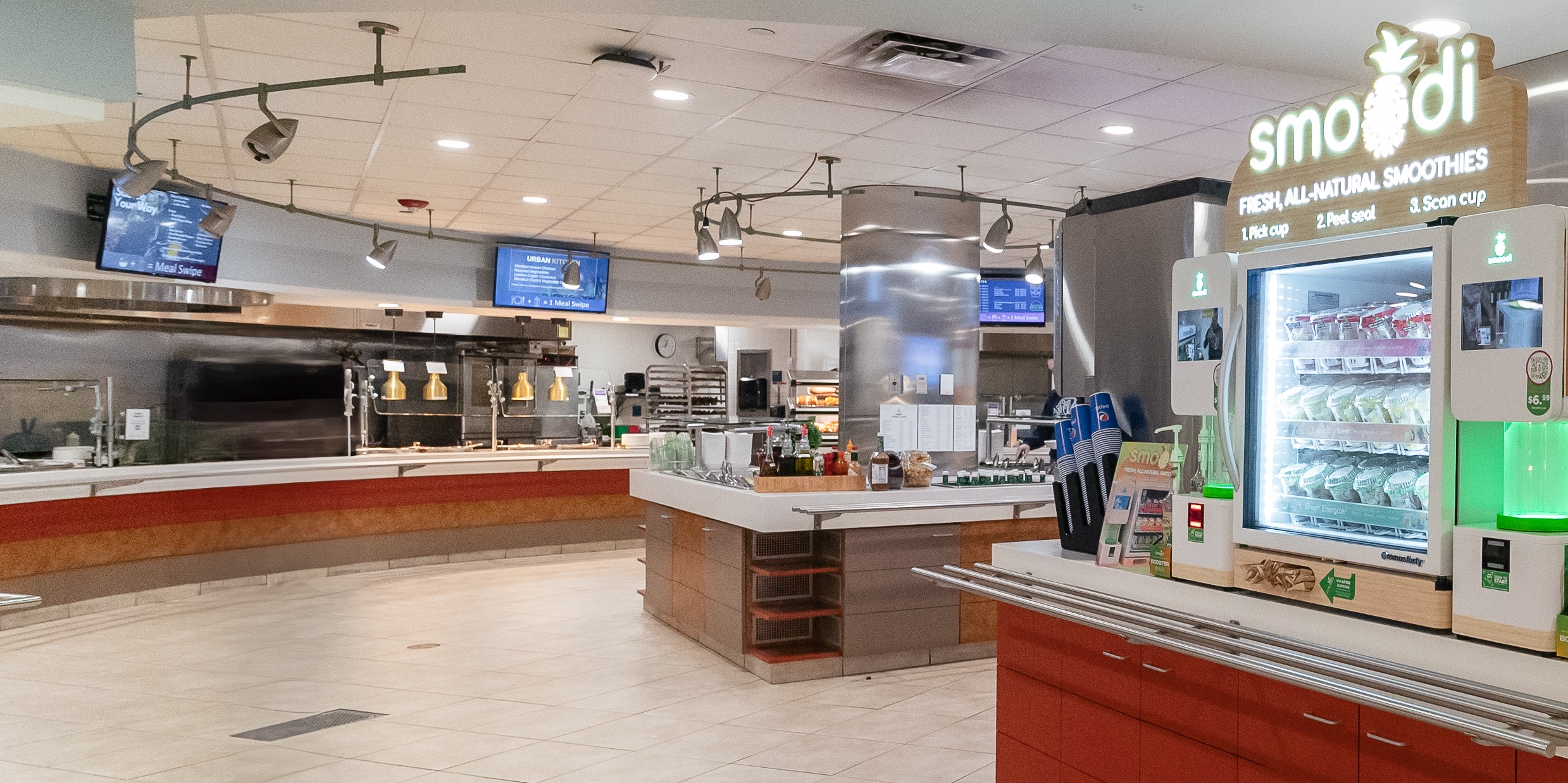
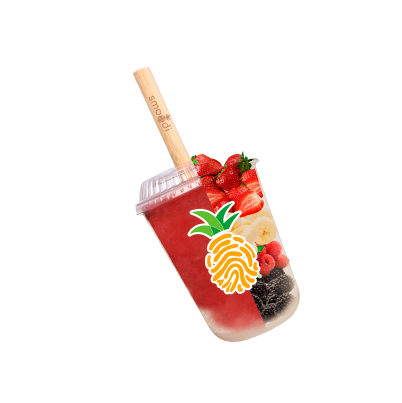
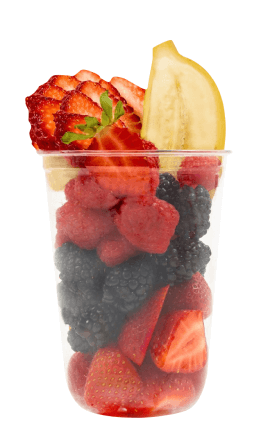
Smoodi's automated smoothie machine produces whole-fruit protein smoothies that address each of the four evaluation criteria. IQF (individually quick frozen) fruit cups are blended with water only. No syrups, concentrates, or artificial ingredients. The booster bar offers protein powder, collagen, and functional supplements, providing the functional health benefit that consumers seek without requiring operators to source, store, or manage specialty ingredients.
The machine blends a smoothie in under 60 seconds, self-cleans between every use, and occupies approximately 40 inches of floor space. For operators evaluating functional beverage programs, the zero-labor model is decisive. A staffed smoothie bar requires a trained employee at $15 to $20 per hour, plus management oversight, scheduling, and benefits. Smoodi eliminates this cost entirely.
Smoodi's operational lease starts at $299 per month for a 48-month term, scaling to $499 per month for a 12-month term. The purchase option is $14,999. Operators pay the lease plus the cost of IQF fruit cups and keep the margin on every smoothie sold. IQF cups have a shelf life of up to two years, distributed nationally through Dot Foods, eliminating waste and spoilage concerns that affect other fresh beverage categories.
Smoodi operates in more than 300 locations across the United States, with over 2 million smoothies served. The company was founded at Harvard Innovation Labs. For operators across corporate offices, universities, healthcare facilities, fitness centers, and hospitality venues, the combination of functional nutrition, zero labor, and predictable costs makes automated protein smoothies the most practical entry point into the functional beverage category.
Foodservice operators and facility managers interested in adding a functional beverage program can explore options at getsmoodi.com/get-started. To evaluate the financial impact, visit getsmoodi.com/roi.
Ready to bring Smoodi to your location?
Join hundreds of operators delivering fresh, automated smoothies with zero labor.
Get Started