How Are GLP-1 Medications Reshaping Operator Menus?
With 18 percent of American adults now using GLP-1 medications, operators face a menu-planning shift toward nutrient-dense, protein-rich, low-sugar options that serve this growing population.
GLP-1 medications have moved from a niche pharmaceutical category to a mainstream consumer health trend that is reshaping foodservice operations. An estimated 18 percent of American adults now use GLP-1 medications for weight management or diabetes treatment. The National Restaurant Association identified GLP-1-friendly menus as a top 2026 foodservice trend. For operators, this is no longer a future consideration. It is a present-day menu-planning decision that affects purchasing, product mix, and revenue strategy across every vertical.
How Do GLP-1 Medications Change Eating Behavior?
GLP-1 receptor agonists work by slowing gastric emptying and reducing appetite, which fundamentally changes how users approach food. Three behavioral shifts are relevant for foodservice operators.
First, GLP-1 users consume smaller portions. The appetite-suppressing effect means users eat less at each meal occasion. For operators who rely on large-format meals, combo deals, or volume-based pricing, this shift can reduce average transaction value. However, it also creates an opportunity: consumers who eat less at each occasion may eat more frequently throughout the day, increasing the number of transactions even as individual transaction size decreases.
Second, GLP-1 users prioritize nutrient density over caloric volume. When every calorie consumed is more deliberate, consumers focus on getting maximum nutritional value per serving. Protein, fiber, vitamins, and functional ingredients become the primary selection criteria. Foods and beverages perceived as empty calories, including sugary drinks, refined carbohydrates, and ultra-processed options, are actively avoided.
Third, GLP-1 users experience heightened sensitivity to ultra-processed foods. Many users report reduced tolerance for greasy, sugary, or heavy foods. This means the traditional foodservice staples that have long anchored menus may actually cause discomfort for a growing segment of the customer base. Operators who do not adapt risk losing these customers entirely.
What Are Operators Doing in Response?
The foodservice industry is responding to GLP-1 trends at multiple levels. Major restaurant chains have begun creating dedicated menu sections, meal formats, and product lines designed specifically for GLP-1 users. These offerings typically share common characteristics: smaller portions with higher protein content, reduced or zero added sugar, clean ingredient lists, and clear nutritional transparency.
The pattern extends beyond full-service restaurants. Quick-service operators are introducing protein-focused bowls and cups. Beverage chains are adding low-sugar smoothie options with protein and functional boosters. Convenience store operators are expanding their fresh food cases with nutrient-dense snack options. Across every format, the direction is the same: smaller, denser, cleaner, and more transparent.
For operators who have not yet adapted, the risk is twofold. First, they lose the 18 percent of adults currently using GLP-1 medications who cannot find suitable options on the menu. Second, they miss the broader consumer shift toward nutrient density and transparency that GLP-1 is accelerating. The dietary preferences of GLP-1 users align closely with the preferences of health-conscious consumers generally, meaning menus designed for GLP-1 compatibility appeal to a much larger audience than just medication users.
What Menu Characteristics Do GLP-1 Users Seek?
GLP-1 users evaluate menu options through a specific lens. Operators planning menu adaptations should understand the key attributes these consumers prioritize.
- High protein content: protein is the most sought-after macronutrient for GLP-1 users, supporting muscle preservation during weight loss and providing satiety with smaller portions
- Zero or minimal added sugar: GLP-1 users actively avoid added sugars, which can cause gastrointestinal discomfort and counteract the medication's metabolic effects
- Whole, recognizable ingredients: clean labels with identifiable, minimally processed ingredients build trust with consumers making deliberate food choices
- Transparent nutritional information: GLP-1 users want to know exactly what they are consuming and in what quantities
- Customization options: the ability to add protein, adjust portion size, or select specific functional ingredients gives GLP-1 users control over their nutritional intake
Beverages present a particularly strong opportunity within the GLP-1 menu strategy. Many GLP-1 users find liquid nutrition easier to tolerate than solid food, especially in the hours after taking their medication. A nutrient-dense smoothie with protein, fiber, and vitamins in a small-format serving aligns precisely with what these consumers need.
How Does This Affect Operator Revenue Strategy?
The revenue implications of GLP-1 menu adaptation are more nuanced than simply adding a few new items. Operators should consider three strategic adjustments.
First, reframe value around nutrient density rather than portion size. GLP-1 users will pay a premium for a small, nutrient-dense option over a large, calorie-heavy one. Pricing should reflect the quality and functional value of the ingredients rather than the volume of the serving.
Second, expand daypart coverage. If GLP-1 users eat smaller amounts more frequently, operators benefit from having options available across all dayparts, including mid-morning, mid-afternoon, and evening windows that traditional meal-focused programs often miss. Self-service formats that operate without staffing constraints are particularly effective for capturing these non-traditional daypart transactions.
Third, position GLP-1-compatible options as mainstream, not medical. The dietary preferences driven by GLP-1 medications (high protein, low sugar, clean ingredients, transparency) are the same preferences driving consumer behavior broadly. A menu section labeled for medical compliance may stigmatize the offering. A menu section built around fresh, functional, protein-rich options appeals to GLP-1 users and health-conscious consumers alike.
How Does Smoodi Serve GLP-1 Menu Planning?
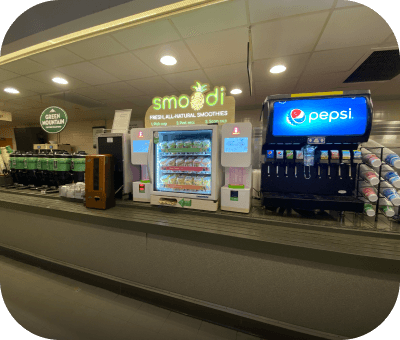
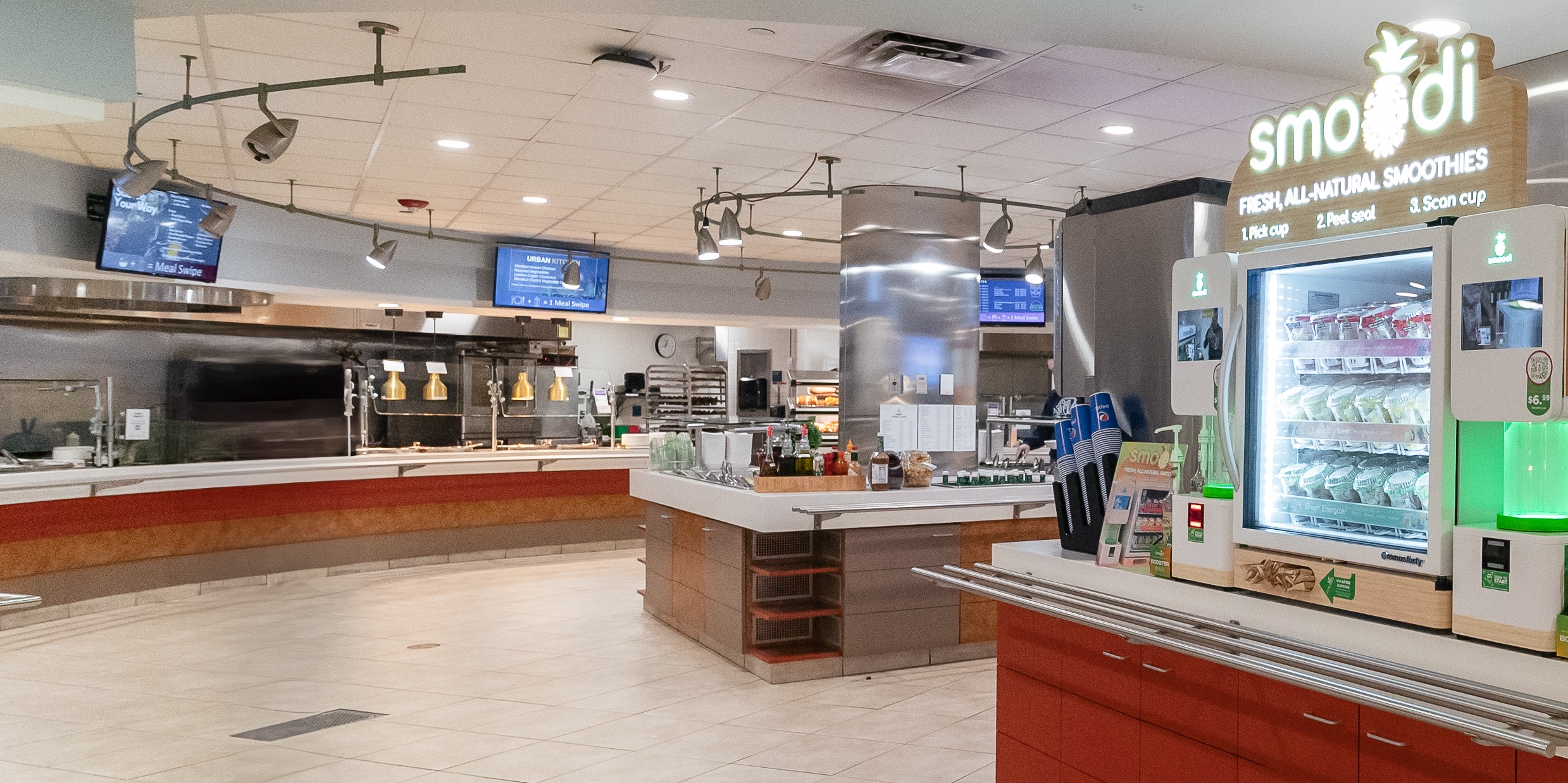
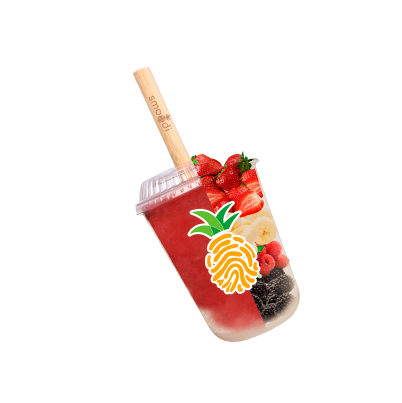
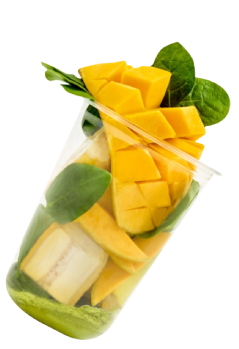
Smoodi's automated smoothie machine aligns directly with every GLP-1 menu requirement without any recipe reformulation or menu engineering. Each smoothie starts with IQF (individually quick frozen) real fruit cups blended with water only. No syrups, concentrates, or artificial ingredients. Zero added sugar. The ingredient list is short, recognizable, and clean. The booster bar offers protein powder, collagen, and other functional supplements, allowing GLP-1 users to customize their beverage with the protein content they need.
"Now we have healthy options available here in the cafeteria, and patients and even doctors are loving this."
— Dr. Nish Patel, Interventional Cardiologist, Baptist Health Miami
The self-service format operates across all dayparts without dedicated staff, capturing the frequent, smaller transactions that GLP-1 users generate. The machine blends in under 60 seconds and self-cleans between every use. The compact design requires approximately 40 inches of floor space, enabling placement in cafeterias, breakrooms, fitness centers, lobbies, and other locations where GLP-1 users seek nutrition throughout the day. For high-volume locations, multiple machines can be installed side by side, blending simultaneously.
Smoodi operates in more than 300 locations across the United States, with over 2 million smoothies served. The company was founded at Harvard Innovation Labs. IQF fruit cups have a shelf life of up to two years and are distributed through Dot Foods. The operational lease starts at $299 per month for a 48-month term, with a purchase option at $14,999.
Operators exploring GLP-1-compatible menu additions that require zero staff and zero added sugar can learn more at getsmoodi.com/get-started.
Ready to bring Smoodi to your location?
Join hundreds of operators delivering fresh, automated smoothies with zero labor.
Get Started