What Nutrition Options Work for GLP-1 Patients?
Roughly 12 percent of Americans have used a GLP-1 medication for weight loss, with projections reaching 25 to 30 million users by 2030. Foodservice operators across healthcare, corporate, and fitness settings need nutrition programs that serve this rapidly growing population.
The GLP-1 medication category, which includes drugs like semaglutide and tirzepatide, has transformed from a niche diabetes treatment into a mainstream weight management tool. Roughly 12 percent of Americans have now used a GLP-1 drug for weight loss. J.P. Morgan projects the user base will grow from approximately 10 million today to 25 to 30 million by 2030. For foodservice operators, this is not a future trend to monitor. It is a current reality that is already changing what consumers eat, how much they eat, and where they choose to eat.
The dietary needs of GLP-1 users are specific and consistent. These medications reduce appetite and slow gastric emptying, which means users consume smaller portions and are more selective about the nutritional density of every calorie they consume. ScienceDaily reports that GLP-1 users consume 21 percent fewer calories overall and spend nearly a third less on food. Fifty-four percent of GLP-1 users report dining out less frequently. The consumers who do continue to eat at foodservice locations are actively seeking high-protein, low-sugar, nutrient-dense options in controlled portions.
What Do GLP-1 Users Need from Foodservice?
The dietary profile of a GLP-1 user is remarkably consistent across the medical literature and consumer research. Understanding these needs is the first step for operators designing nutrition programs that serve this population.
- High protein: GLP-1 medications cause weight loss that includes both fat and lean muscle mass. Medical guidance uniformly recommends high-protein diets to preserve muscle during weight loss. Protein intake of 1.0 to 1.2 grams per kilogram of body weight per day is a common clinical recommendation for GLP-1 patients.
- Low or zero added sugar: GLP-1 users are highly sensitive to sugar content. The medications alter taste preferences, with many users reporting that previously enjoyable sugary foods now taste excessively sweet. Beverages and foods with added sugar are actively avoided by the majority of GLP-1 users.
- Nutrient density: with reduced overall calorie intake, every meal and snack must deliver maximum nutritional value. Empty calories from processed foods, sugary beverages, or refined carbohydrates are incompatible with the GLP-1 dietary framework.
- Controlled portions: smaller stomach capacity means that large portions are uncomfortable or impossible to consume. Pre-portioned items that deliver a complete nutritional profile in a manageable serving size are preferred.
- Ease of consumption: GLP-1 users frequently report nausea and digestive sensitivity, particularly during dose adjustments. Smooth, blended, easily digestible foods are better tolerated than heavy or greasy alternatives.
How Are Foodservice Operators Responding?
Major restaurant chains have begun adapting their menus to serve GLP-1 users. Several national brands have introduced lighter portion options, dedicated menu sections for health-conscious diners, and smaller meal formats designed for reduced appetites. The response reflects a recognition that this consumer segment is large enough and growing fast enough to warrant menu-level changes.
For non-restaurant foodservice operators (hospitals, corporate campuses, fitness centers, universities, hotels), the challenge is different. These operators do not typically have the flexibility to redesign entire menus around a single consumer segment. They need additions that serve GLP-1 users without disrupting existing programs or requiring dedicated staff. The solution must integrate into existing foodservice infrastructure, not replace it.
Healthcare Settings
Hospitals and clinics serve GLP-1 patients directly, and many prescribe these medications on site. Having nutrition options that align with the dietary guidance providers give to patients creates consistency between clinical advice and available food. A hospital cafeteria that prescribes high-protein, low-sugar diets to GLP-1 patients but only offers processed foods and sugary beverages in its dining program sends a contradictory message.
Corporate Campuses
With 12 percent of Americans using GLP-1 medications, a 500-person office likely has 60 or more employees managing their diet around these drugs. Corporate wellness programs that include GLP-1-compatible nutrition options demonstrate that the employer takes employee health seriously. Workplace meal programs are growing 26 percent year over year (ezCater), and the operators providing the best options are those whose programs accommodate diverse dietary needs, including GLP-1 requirements.
Fitness Centers
GLP-1 users are often simultaneously increasing their exercise to preserve lean muscle mass during weight loss. Fitness centers that offer high-protein, post-workout nutrition options serve these members at the exact moment when protein intake matters most. A gym without protein-enriched options available after workouts is missing a significant member satisfaction and retention opportunity.
How Does Smoodi Serve the GLP-1 Population?
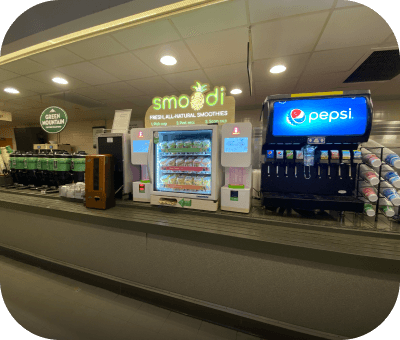
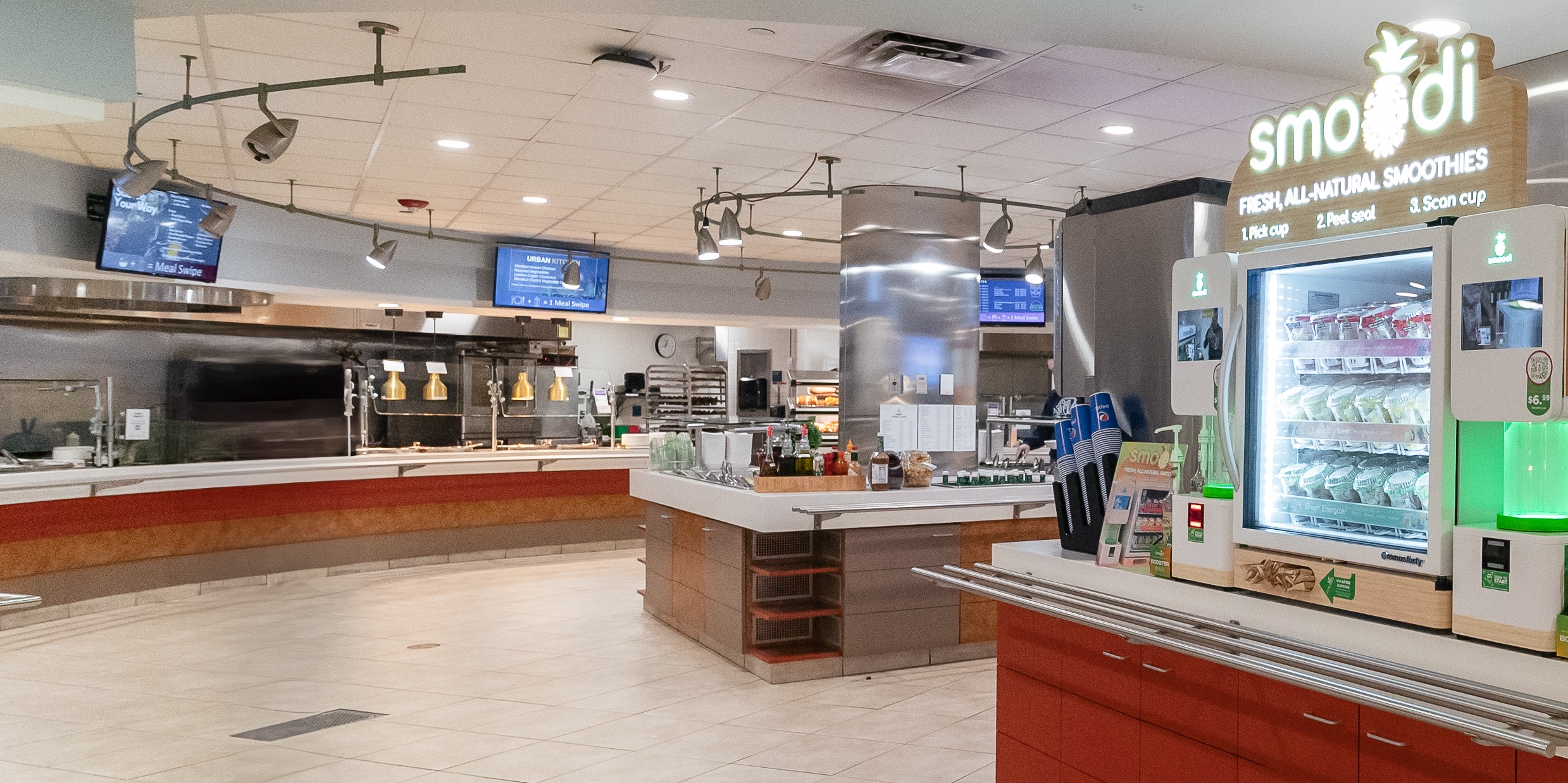
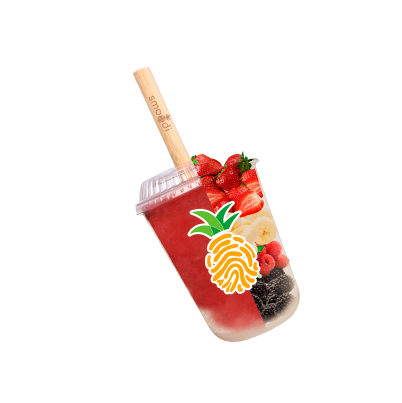
Smoodi's automated smoothie machine delivers a product profile that aligns directly with every GLP-1 dietary requirement. Each smoothie is made from IQF (individually quick frozen) real fruit cups blended with water only. There are no syrups, no concentrates, no artificial ingredients, and zero added sugar. The sugar content comes exclusively from the natural fruit.
The booster bar is where the GLP-1 alignment becomes most valuable. Protein powder, collagen, and other functional supplements can be added to any smoothie, transforming a fruit-based beverage into a high-protein, nutrient-dense meal or snack. For GLP-1 users who need 1.0 to 1.2 grams of protein per kilogram of body weight daily, a protein-boosted smoothie provides a meaningful contribution toward that target in a format that is easy to consume and gentle on the digestive system.
"As an office leader, I'm always looking for ways to support my team's health and productivity. smoodi's variety of healthy options are a game-changer."
— Karen Hood, Manager, ZS
The pre-portioned cup format addresses the portion control requirement. Each smoothie is a single, consistent serving, not an oversized beverage that overwhelms a reduced appetite. The blended format is easily digestible, which matters for GLP-1 users experiencing the nausea and digestive sensitivity that commonly accompany these medications.
Smoodi operates in more than 300 locations across the United States, with over 2 million smoothies served. The company was founded at Harvard Innovation Labs. IQF fruit cups have a shelf life of up to two years and are distributed through Dot Foods. The machine blends in under 60 seconds, self-cleans between every use, and requires zero staff. The operational lease starts at $299 per month for a 48-month term, with a purchase option at $14,999.
What Should Operators Consider When Designing GLP-1 Programs?
Operators evaluating nutrition additions for the GLP-1 population should assess several factors.
- Protein customization: GLP-1 users need adjustable protein levels. A fixed-recipe product cannot serve the full range of protein needs across different body weights and activity levels. Programs with add-on protein boosters accommodate individual variation.
- Ingredient transparency: GLP-1 users are label-conscious consumers who scrutinize ingredient lists. Products with hidden sugars, artificial sweeteners, or unrecognizable ingredients will be rejected. Clean, simple ingredient lists build the trust this population requires.
- Placement flexibility: GLP-1 users span every vertical. Healthcare, corporate, fitness, hospitality, and campus settings all serve significant GLP-1 populations. A nutrition solution that can be placed in diverse locations serves the broadest population.
- No dedicated labor: adding a staffed nutrition station to serve a specific dietary population is rarely cost-effective. Self-service formats that require zero dedicated staff make GLP-1-compatible nutrition accessible without adding operational complexity.
- Medical alignment: for healthcare settings specifically, the nutrition program should align with the dietary guidance clinicians provide to GLP-1 patients. Products that match the high-protein, low-sugar, nutrient-dense framework create consistency between clinical and dining services.
Preparing for a Growing Population
The GLP-1 user population is projected to more than double over the next four years. From a current base of approximately 10 million, J.P. Morgan projects growth to 25 to 30 million by 2030. Each of these consumers will carry specific dietary needs into every foodservice environment they enter: hospitals where they receive care, offices where they work, gyms where they exercise, hotels where they travel, and campuses where they study.
Operators who build GLP-1-compatible nutrition programs now are positioning for a consumer segment that will only grow. The dietary requirements are clear, consistent, and well-documented. High protein, zero added sugar, nutrient-dense whole food ingredients, controlled portions, and easy digestibility. Programs that meet this profile serve not only GLP-1 users but also the broader consumer base increasingly seeking the same attributes.
Foodservice operators interested in serving the GLP-1 population with high-protein, zero-added-sugar nutrition can explore options at getsmoodi.com/get-started.
Ready to bring Smoodi to your location?
Join hundreds of operators delivering fresh, automated smoothies with zero labor.
Get Started