How Is the Gut Health Trend Reshaping Foodservice Beverages?
The global digestive health products market is projected to reach $134.6 billion by 2035. Foodservice operators adding gut-friendly beverages to their programs are meeting one of the fastest-growing consumer health demands of 2026.
Gut health has moved from a niche wellness topic to a mainstream consumer priority. The global digestive health products market is valued at $60.3 billion in 2025 and projected to reach $134.6 billion by 2035, growing at an 8.4 percent compound annual growth rate. The prebiotic ingredient market alone is expected to reach $9.8 billion in 2026, climbing to $21.6 billion by 2033 at 11.9 percent annual growth. Probiotic drinks represent a $33.59 billion market in 2026, expected to reach $49.74 billion by 2031. For foodservice operators, food and beverage directors, and wellness facility managers, the gut health trend is not a passing consumer preference. It is a structural shift in how people evaluate what they eat and drink.
Why Is Gut Health Driving Beverage Choices in 2026?
Consumer understanding of the gut microbiome has expanded significantly over the past several years. Research published in peer-reviewed journals has connected gut health to outcomes far beyond digestion, including immune function, mental health, skin clarity, energy levels, and chronic disease risk. This research has entered mainstream awareness through popular media, social platforms, and clinical recommendations. The result is a consumer base that evaluates beverages not just by taste and convenience but by their impact on digestive wellness.
The dietary fiber connection is central to this shift. Fiber is essential for maintaining a healthy digestive system, supporting bowel regularity, feeding beneficial gut bacteria (prebiotics), and promoting satiety. The USDA Dietary Guidelines recommend 25 grams of fiber per day for women and 38 grams for men, yet most Americans consume less than half of those amounts. This fiber gap has created a consumer demand for products that deliver fiber in convenient, enjoyable formats. Beverages, particularly smoothies made from whole fruits, are one of the most effective delivery vehicles for closing that gap.
Fruits are particularly valuable for gut health because they provide multiple benefits simultaneously. Berries, mangoes, bananas, and other whole fruits deliver dietary fiber, polyphenols, vitamins, and antioxidants that expand microbial diversity, reduce intestinal inflammation, and support immunological function. A smoothie made from real fruit is not a single-nutrient supplement. It is a complex food that supports the gut through multiple mechanisms at once.
What Does the Gut Health Opportunity Look Like for Operators?
For foodservice operators, the gut health trend creates revenue opportunities across every venue type. Prebiotics held a dominant market position in 2025, capturing more than 49.6 percent of the digestive health products market by ingredient. Clean-label demand is rising as millennials and Gen Z prefer products free from artificial additives. Manufacturers are launching food and beverage products with prebiotics, probiotics, and functional fiber at an accelerating pace.
The operational question for most foodservice locations is not whether to offer gut-friendly beverages but how to do so without adding complexity. Traditional approaches to gut-health beverages require specialized ingredients (kombucha cultures, probiotic powders, prebiotic fiber supplements), trained staff for preparation, cold-chain handling for live cultures, and quality control to maintain efficacy. These requirements make traditional gut-health beverage programs impractical for most non-restaurant foodservice settings.
The alternative is offering naturally gut-friendly beverages that require no specialized preparation. Whole-fruit smoothies deliver prebiotic fiber, polyphenols, and vitamins from the fruit itself. No additional ingredients, cultures, or supplements are necessary to create a product that supports digestive health. The gut health benefit is inherent in the food, not added through fortification.
Which Venues Benefit Most from Gut Health Beverages?
- Corporate offices and coworking spaces serve a professional demographic that is increasingly attentive to digestive wellness. Employees who experience bloating, low energy, or digestive discomfort during the workday seek food options that support rather than disrupt their gut health. A workplace smoothie station offering real-fruit beverages provides a gut-friendly option without requiring a staffed kitchen.
- Fitness facilities and gyms serve consumers who understand the connection between gut health and athletic performance. Research has linked a healthy microbiome to improved nutrient absorption, faster recovery, and reduced inflammation. Post-workout smoothies made from fiber-rich fruits serve both recovery and digestive health goals simultaneously.
- Universities and campus dining halls serve a Gen Z population that is the most gut-health-aware generation. Clean ingredients interest is up 40 percent year over year among college students according to Chartwells 2026 data, and smoothies are the number one requested campus beverage at 45 percent.
- Healthcare facilities serve patients, staff, and visitors who are often dealing with digestive challenges related to medication, stress, or dietary restrictions. A beverage option that delivers natural fiber and prebiotics without added sugars supports both patient wellness and staff health.
- Senior living communities serve residents whose digestive health is a daily clinical concern. Age-related changes in the gut microbiome make fiber intake and prebiotic support particularly important for this population.
How Do Consumers Evaluate Gut Health Beverages?
Consumer sophistication around gut health has increased substantially. Early interest in probiotics was broad and undifferentiated. Today's consumers understand that gut health is supported by a combination of prebiotics (fiber that feeds beneficial bacteria), probiotics (the beneficial bacteria themselves), polyphenols (compounds found in colorful fruits and vegetables), and the absence of ingredients that harm the microbiome (added sugars, artificial sweeteners, and artificial additives).
This understanding creates a quality hierarchy for gut health beverages. Products made from real, whole ingredients with naturally occurring fiber and polyphenols are perceived as more trustworthy than products that add isolated prebiotic fiber or probiotic strains to an otherwise artificial base. A smoothie made from real blueberries, mangoes, and strawberries delivers fiber, polyphenols, and vitamins in the form the consumer trusts most: recognizable whole food.
The clean-label connection is direct. The clean label ingredients market is projected at $47.91 billion in 2026. Consumers evaluating gut health beverages apply the same scrutiny they apply to any health product. They read ingredient lists. They reject products with artificial sweeteners, which research has linked to negative effects on gut bacteria. They prefer products where the ingredient list is short and every item is recognizable.
What Is the Connection Between Gut Health and Added Sugar?
Added sugar is one of the most documented disruptors of gut microbiome health. High sugar intake promotes the growth of harmful bacteria and yeast in the gut, reduces microbial diversity, and contributes to intestinal inflammation. For foodservice operators, this creates a problem with conventional beverage programs. Many commercial smoothie mixes, flavored drinks, and juice products contain significant added sugars, syrups, or concentrates that undermine the gut health benefits consumers are seeking.
A beverage program that claims to support gut health while using products with added sugars creates a contradiction that informed consumers will identify. The 2025 to 2030 Dietary Guidelines explicitly call for reducing added sugar intake, and 18 percent of American adults using GLP-1 medications are actively seeking zero-added-sugar options. For operators, the path to a credible gut health beverage offering starts with removing added sugars from the formulation entirely.
How Does Smoodi Deliver a Gut-Friendly Beverage Program?
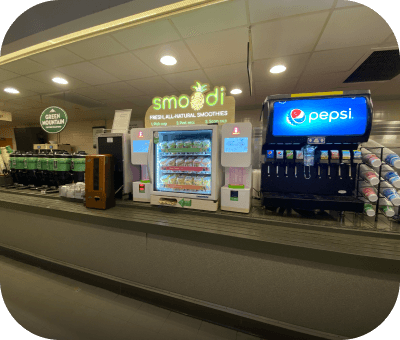
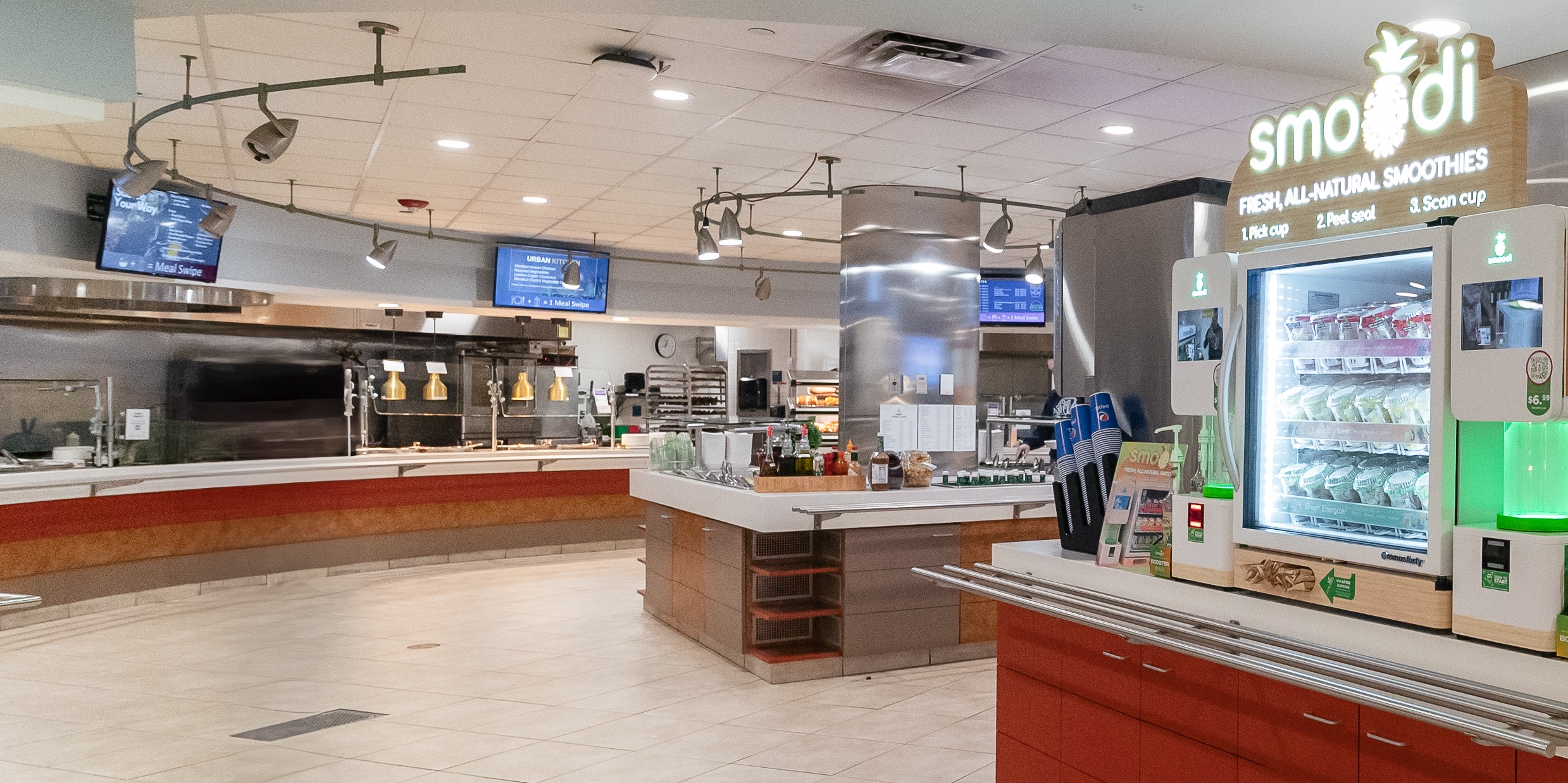
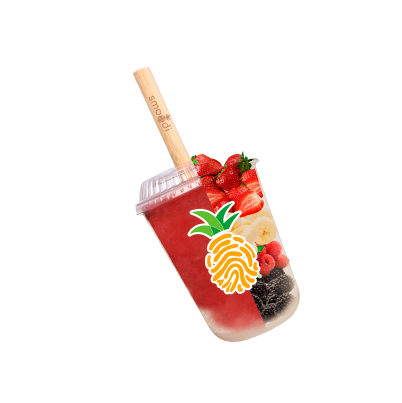
Smoodi's automated smoothie machine delivers a naturally gut-friendly beverage with zero operational complexity. Each smoothie is blended from IQF (individually quick frozen) real fruit cups with water only. The fruit provides dietary fiber, prebiotic compounds, polyphenols, vitamins, and antioxidants that support a healthy gut microbiome. Zero syrups, zero concentrates, zero artificial sweeteners, zero added sugars. The ingredient list is two items: fruit and water.
"Now we have healthy options available here in the cafeteria, and patients and even doctors are loving this."
— Dr. Nish Patel, Interventional Cardiologist, Baptist Health Miami
The booster bar offers protein powder, collagen, and other functional supplements for additional customization. The machine blends a fresh smoothie in under 60 seconds and self-cleans between every use, requiring no dedicated staff. The compact design requires approximately 40 inches of floor space. IQF fruit cups have a shelf life of up to two years and are distributed through Dot Foods, the largest foodservice redistributor in the United States.
Smoodi operates in more than 300 locations across the United States, with over 2 million smoothies served. The company was founded at Harvard Innovation Labs. The operational lease starts at $299 per month for a 48-month term, with a purchase option at $14,999. Operators looking to add a gut-friendly beverage program with zero added sugar and zero labor can explore options at getsmoodi.com/get-started.
Ready to bring Smoodi to your location?
Join hundreds of operators delivering fresh, automated smoothies with zero labor.
Get Started