How Is the High-Protein Movement Reshaping Menus?
High-protein meals are now the top dining preference among college students, and the trend is accelerating across every foodservice vertical. Operators who adapt their beverage menus are capturing new demand.
The protein movement has moved from specialty nutrition stores into mainstream foodservice. Chartwells Higher Education's 2026 Campus Dining Index reports that high-protein meals are the number one dining preference among college students at 28 percent, up 36 percent year over year. Interest in clean, minimally processed foods saw the largest year-over-year increase of any dietary preference at 40 percent. These are not niche consumer segments. They represent the majority of the next generation of foodservice consumers.
The shift extends well beyond campus dining. McKinsey's Future of Wellness survey finds that 50 percent of consumers now purchase functional food products, rising to 66 percent for Gen Z and millennials. Forbes reported in April 2026 that functional beverages are the defining category of the year. Corporate dining programs operated by Compass Group, hotel food and beverage departments, and healthcare dining services through Morrison Healthcare all report accelerating demand for protein-enriched and functional beverage options across segments.
Why Are High-Protein Beverages Growing in Foodservice?
The growth of high-protein beverages in commercial foodservice reflects three converging factors. First, consumer expectations have shifted. Beverages are no longer viewed solely as hydration or treats. A growing share of consumers evaluate beverages the same way they evaluate meals: by nutritional density, protein content, and functional benefit. A smoothie with 20 grams of protein from a clean source satisfies a different need than a flavored water or sugar-sweetened juice.
Second, the fitness and wellness economy continues to expand. The global wellness economy exceeds $5.6 trillion, and food and nutrition represent its fastest-growing segment. Gym members, corporate employees enrolled in wellness programs, hospital staff managing long shifts, and students balancing coursework with athletic training all seek convenient, protein-dense options that fit into their existing routines.
Third, regulatory and institutional guidelines are reinforcing the trend. The USDA 2025-2030 Dietary Guidelines emphasize protein adequacy across age groups, and institutional foodservice operations at schools, hospitals, and government facilities are adjusting menus accordingly. For operators, serving protein-enriched beverages is not just responding to consumer preference. It is aligning with the direction of nutritional policy.
What Does This Mean for Foodservice Beverage Programs?
Operators who manage beverage programs face a practical challenge: how to add high-protein options without increasing labor, complexity, or waste. A staffed smoothie bar can add protein powder to orders, but it requires trained staff, inventory management for perishable protein supplements, and recipe consistency controls. Protein-enriched bottled beverages offer convenience but carry high per-unit costs, limited freshness appeal, and no customization.
The operators capturing the most value from the protein trend are those deploying self-service stations that combine fresh, whole-food ingredients with customizable functional add-ons. This format gives consumers the protein content they seek while giving operators the labor savings and consistency they need.
- Campus dining: students ranked high-protein meals as their top preference in 2026, and dining directors report smoothie stations with protein options among the highest-traffic additions
- Corporate offices: employers investing in wellness programs report that protein-enriched beverage stations generate higher utilization than traditional coffee or snack programs
- Healthcare facilities: clinical staff working 12-hour shifts seek protein-dense options that can be consumed quickly between patient care duties
- Fitness centers: members expect protein options as a baseline amenity, and gyms without them risk losing members to facilities that offer post-workout nutrition on site
- Hotels: wellness-focused guests evaluate food and beverage amenities as part of their booking decision, and protein-enriched options signal a property that takes health seriously
How Does Smoodi Address the Protein Beverage Opportunity?
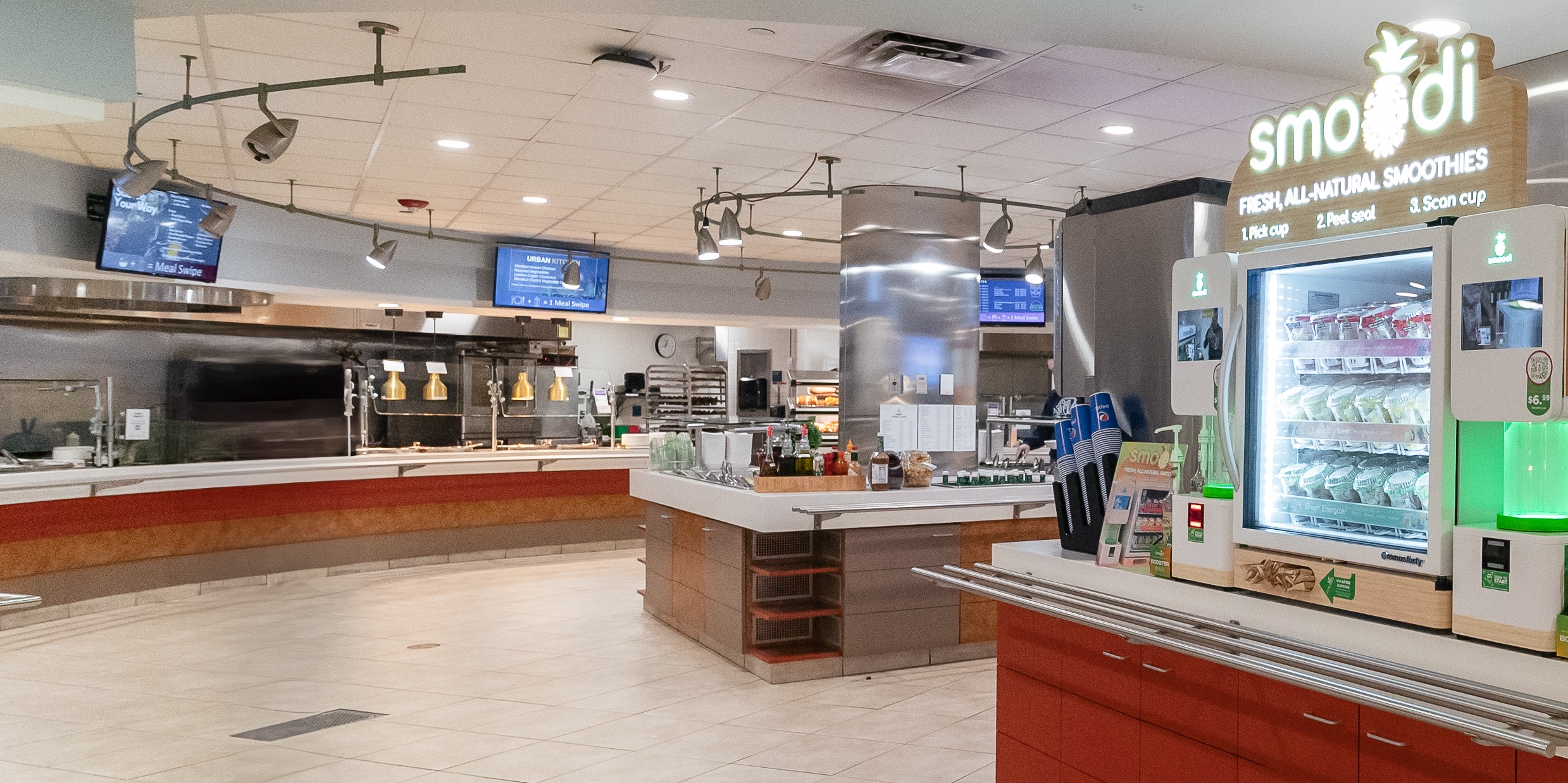
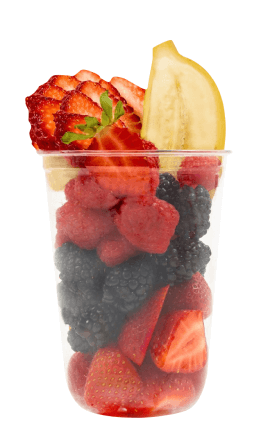
Smoodi's automated smoothie machine is built to deliver high-protein functional beverages through a self-service format that requires zero staff. Each smoothie starts with IQF (individually quick frozen) real fruit cups blended with water only, with no syrups, concentrates, or artificial ingredients. The booster bar offers protein powder, collagen, and other functional supplements that consumers can add to any smoothie, transforming a fruit-based beverage into a high-protein functional drink.
This combination of clean-ingredient base plus customizable protein boosters is what distinguishes Smoodi from both staffed smoothie bars and pre-bottled protein drinks. The consumer gets fresh fruit plus their preferred protein supplement. The operator gets a station that runs without staff, self-cleans between every use, and serves each smoothie in under 60 seconds.
"smoodi is hands down the number one perk at our headquarters. Fresh, healthy, and zero effort on our end."
— Katherine Berman, Workplace Experience Manager, Toast
Smoodi operates in more than 300 locations across the United States, with over 2 million smoothies served. The company was founded at Harvard Innovation Labs. IQF fruit cups have a shelf life of up to two years and are distributed through Dot Foods, integrating with existing foodservice supply chains. The operational lease starts at $299 per month for a 48-month term, with a purchase option at $14,999. For high-volume locations, multiple machines can be installed side by side, blending simultaneously to handle peak traffic.
What Should Operators Consider When Adding Protein Beverages?
Operators evaluating protein beverage programs should consider several factors before selecting a format.
- Ingredient quality: consumers increasingly check labels and reject products with artificial protein sources, added sugars, or ingredient lists they cannot pronounce. A program built on real food ingredients with transparent supplementation generates stronger consumer trust.
- Customization: protein needs vary by individual. A fixed-recipe product cannot serve a 130-pound yoga practitioner and a 220-pound weightlifter equally. Programs that offer adjustable protein levels capture a broader consumer base.
- Labor impact: if adding protein beverages requires hiring a staff member or training existing staff on new recipes, the margin benefit of the new offering may be offset by the labor cost.
- Waste: fresh protein supplements and perishable ingredients introduce spoilage risk. Programs using shelf-stable formats with long shelf lives reduce waste to near zero.
- Supply chain: protein supplements sourced through existing foodservice distributors simplify ordering. Programs requiring specialty suppliers add procurement complexity.
Where Is the High-Protein Trend Headed?
The data suggests this is a structural shift, not a passing trend. When 28 percent of college students name high-protein as their top dining preference and that number is growing at 36 percent year over year, the trajectory is clear. As these consumers enter the workforce, travel, use healthcare facilities, and join fitness centers, they will carry their protein expectations with them. Operators who build protein-capable beverage programs now are positioning for a consumer base that will only grow.
The operators best positioned to capture this demand are those whose beverage programs combine three elements: clean, whole-food ingredients that meet the clean-label expectation, customizable protein and functional supplement options, and a delivery model that does not depend on dedicated labor. That combination delivers the product consumers want at the margin operators need.
Foodservice operators interested in adding high-protein functional beverages can explore options and calculate ROI at getsmoodi.com/roi.
Ready to bring Smoodi to your location?
Join hundreds of operators delivering fresh, automated smoothies with zero labor.
Get Started