What Can Hotels Learn from J.D. Power F&B Data?
The J.D. Power 2026 hotel study shows F&B satisfaction improved 14 points, tied for the largest gain. Hotels treating wellness as a revenue strategy, not a cost center, are capturing the shift.
The J.D. Power 2026 North America Hotel Guest Satisfaction Index Study reveals a hospitality industry that is finally closing the gap between guest expectations and on-property experiences. Overall satisfaction rose 13 points to 665 out of 1,000. Food and beverage satisfaction improved 14 points, tied with hotel facility for the largest category gain in the study. Value perception improved 18 points, the single biggest driver of overall satisfaction improvement. For hotel food and beverage directors, general managers, and ownership groups, the data tells a clear story: F&B is no longer a support function. It is a primary lever for guest satisfaction, value perception, and competitive differentiation.
Why Did Hotel F&B Satisfaction Improve 14 Points?
The 14-point improvement in food and beverage satisfaction did not happen by accident. It reflects deliberate investment by hotel operators who recognized that F&B was one of the weakest links in the guest experience during the post-pandemic recovery. From 2021 through 2024, hotels cut F&B offerings to manage costs: buffets disappeared, room service was eliminated, restaurant hours were shortened, and menus were simplified. Guests noticed. F&B consistently scored as one of the lowest satisfaction categories in the J.D. Power study during that period.
The hotels driving the 2026 improvement are those that reinvested in F&B with a different philosophy. Rather than restoring pre-pandemic service levels (which were labor-intensive and margin-thin), they adopted formats that deliver quality and convenience at sustainable operating costs. Self-service stations, grab-and-go options, extended-hours food availability, and wellness-positioned offerings replaced the traditional model of a staffed restaurant with limited hours.
The 18-point improvement in value perception reinforces this approach. Guests are not asking for more elaborate dining. They are asking for food and beverage options that feel worth the price they paid for the room. A hotel that offers fresh, healthy, self-service options throughout the day delivers a higher perceived value than a hotel with an expensive restaurant that is open only for dinner.
What Wellness Amenities Do Hotel Guests Expect?
The J.D. Power study asked guests to identify wellness amenities they consider essential rather than optional. The responses reveal how wellness has moved from a luxury positioning to a baseline expectation. Thirty percent of guests identified filtered water stations as a need-to-have amenity. Twenty-one percent identified fitness centers in the same category. These are no longer differentiators. They are minimum requirements.
The broader wellness trend in hospitality is well documented. An eHotelier analysis described the shift as moving from amenity to asset, meaning hotels that treat wellness as a core revenue strategy rather than a cost center are outperforming those that still view it as a nice-to-have supplement. Wellness-positioned hotels command higher average daily rates, achieve stronger guest loyalty scores, and generate more positive online reviews.
For F&B directors, the implication is direct: food and beverage programs must align with wellness positioning. A lobby that features a fitness center, filtered water stations, and wellness messaging but offers only packaged snacks and sugary drinks in the grab-and-go cooler creates a disconnect that guests notice. The F&B program must reinforce the wellness narrative, not contradict it.
How Does F&B Drive Value Perception at Hotels?
The 18-point improvement in value perception is the most actionable finding in the 2026 study for hotel operators. Value perception is not about lowering prices. It is about increasing the quality, availability, and relevance of what guests receive for the price they paid. F&B is uniquely positioned to influence this perception because it is one of the most frequent and tangible guest touchpoints during a stay.
A guest who walks through the lobby at 6:30 AM and finds a fresh smoothie station operating before the restaurant opens has a materially different perception of the hotel's value than a guest who finds nothing available until the breakfast buffet opens at 7:00 AM. A guest who returns from the gym at 9:00 PM and can grab a protein smoothie has a different experience than a guest whose only option is a vending machine.
These micro-moments of F&B availability accumulate across a stay and directly influence the overall value assessment that feeds into J.D. Power scores, online reviews, and rebooking decisions. Hotels that extend food and beverage availability beyond traditional meal periods, without proportionally increasing labor costs, capture more of these positive touchpoints per guest per stay.
What F&B Formats Improve Satisfaction Without Adding Labor?
The challenge for hotel F&B directors is straightforward: improve satisfaction scores and extend availability without increasing an already strained labor budget. Staffed food outlets are expensive to operate, especially during early morning, late evening, and overnight hours when guest traffic is low but the need for food availability remains.
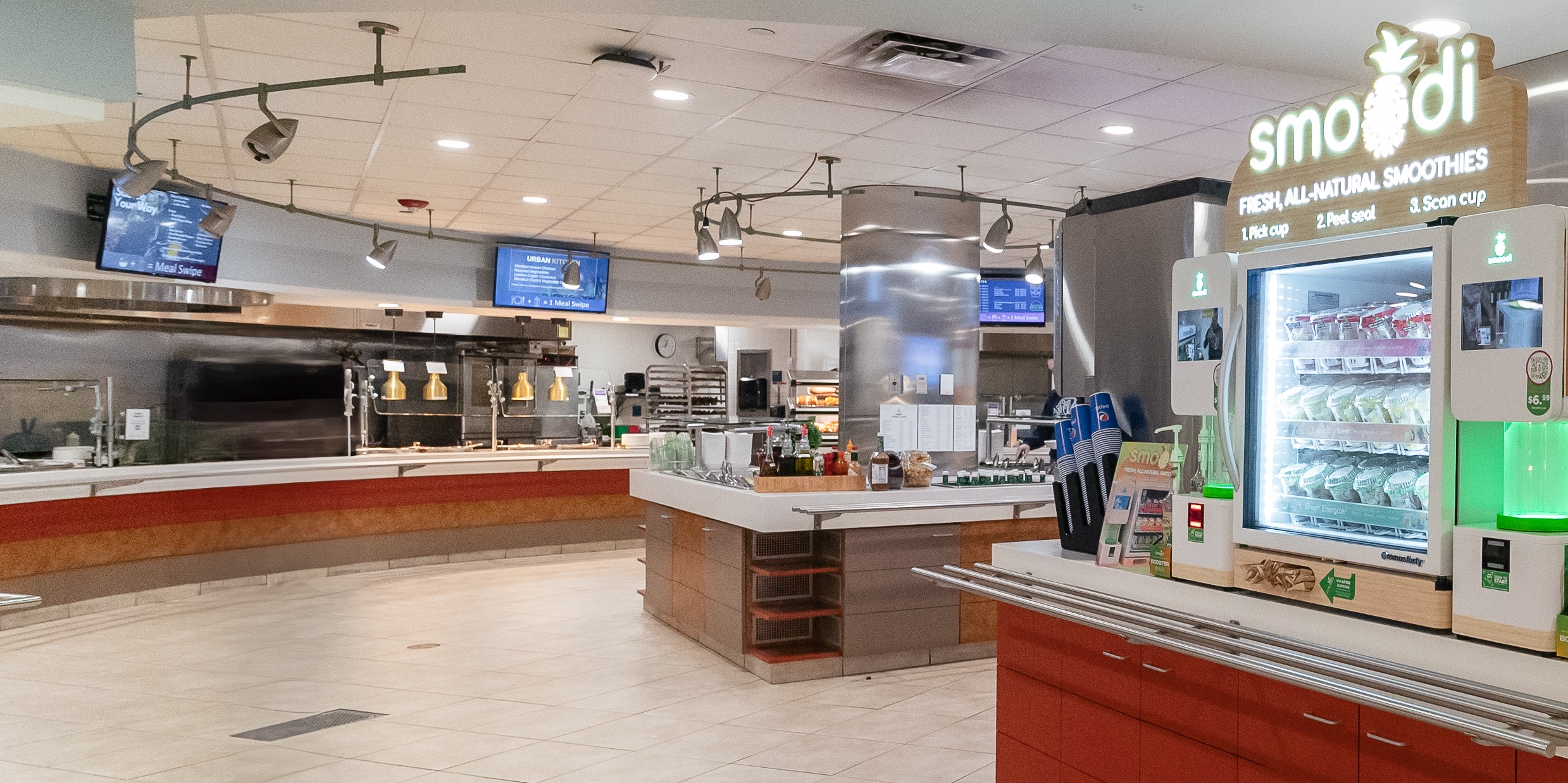
Self-service food and beverage stations solve this equation. They operate across all dayparts without dedicated staff. They deliver fresh, high-quality products with consistent preparation. They fit into lobby areas, fitness centers, pool decks, and club lounges without requiring kitchen infrastructure. And they align with the wellness positioning that guests increasingly expect.
- Lobby placement captures early-morning and late-night guests who would otherwise have no food options
- Fitness center placement directly serves the 21 percent of guests who identified fitness amenities as essential, extending the wellness experience from exercise to nutrition
- Club lounge placement adds a premium food option for loyalty program members, reinforcing the value of status tiers
- Pool and outdoor area placement captures daytime leisure guests who want a quick, healthy refreshment without leaving the property
- Meeting and event area placement serves conference attendees during breaks, adding value to the group booking experience
How Does Smoodi Fit Hotel F&B Strategy?
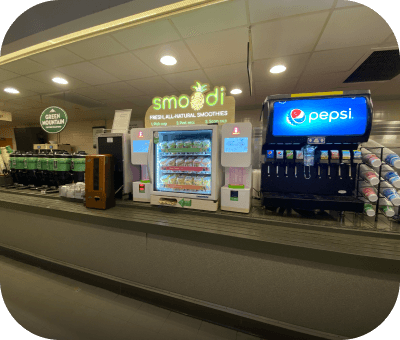
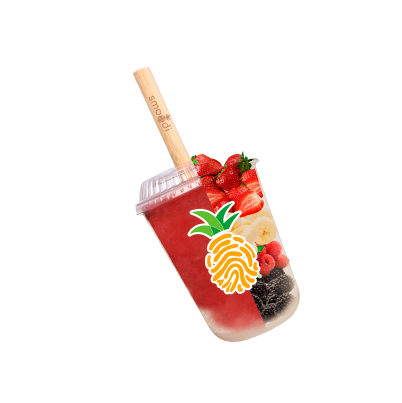
Smoodi's automated smoothie machine delivers the wellness-positioned, self-service, zero-labor F&B format that the J.D. Power data indicates guests value most. Each smoothie starts with IQF (individually quick frozen) real fruit cups blended with water only. No syrups, concentrates, or artificial ingredients. The booster bar offers protein powder, collagen, and other functional supplements, allowing guests to customize their own wellness beverage.
"I have been looking to add a smoothie bar for years but did not want to deal with the labor and food waste. Having smoodi in our facility is a huge benefit for our members."
— Adam Healy, General Manager, Waverly Oaks Athletic Club
The machine blends a fresh smoothie in under 60 seconds and self-cleans between every use. The compact design requires approximately 40 inches of floor space, enabling deployment in hotel lobbies, fitness centers, pool areas, and club lounges without renovation. For high-traffic properties, multiple machines can be installed side by side, blending simultaneously to handle peak breakfast or check-in rushes.
IQF fruit cups have a shelf life of up to two years, eliminating the daily produce waste that makes traditional smoothie bars unprofitable in hotel settings. Distribution is through Dot Foods. Smoodi operates in more than 300 locations across the United States, with over 2 million smoothies served. The company was founded at Harvard Innovation Labs. The operational lease starts at $299 per month for a 48-month term, with a purchase option at $14,999.
Hotel F&B directors and general managers evaluating wellness beverage stations that improve guest satisfaction without adding labor can explore options at getsmoodi.com/get-started.
Ready to bring Smoodi to your location?
Join hundreds of operators delivering fresh, automated smoothies with zero labor.
Get Started