How Is the Immune Health Beverage Market Reshaping Foodservice?
The antioxidant drinks market has reached $22.8 billion in 2026, and immunity-focused beverages now account for 43% of health drink sales. Learn how foodservice operators can capture this demand.
The global antioxidant drinks market has reached an estimated $22.8 billion in 2026 and is projected to grow to $36.4 billion by 2034, reflecting a compound annual growth rate of approximately 6%. Within this expanding category, immunity-focused beverages now account for 43% of all health drink sales. For foodservice operators, this represents a significant shift in consumer expectations, and a substantial revenue opportunity.
Why Immune Health Beverages Are Dominating Foodservice Demand
The functional beverage market has grown to approximately $184 billion globally in 2026, and immune health sits at the center of this expansion. Consumers are no longer satisfied with beverages that simply taste good. They want drinks that deliver measurable nutritional benefits, particularly those that support immune function.
Research shows that 68% of health-conscious shoppers actively seek beverages with certified antioxidant content. This preference spans demographics, from college students looking for convenient nutrition to corporate employees prioritizing wellness during busy workdays. The demand is not seasonal or trend-driven. It reflects a permanent change in how consumers evaluate food and beverage purchases.
Foodservice operators in universities, hospitals, corporate offices, fitness centers, and convenience stores are all seeing this shift play out at point of sale. Menu items that highlight immune-supporting ingredients consistently outperform traditional alternatives in both volume and customer satisfaction.
The Science Behind Immune-Supporting Ingredients
The ingredients driving consumer interest in immune health beverages are well supported by nutritional research. Vitamin C, found in high concentrations in citrus fruits, strawberries, and tropical fruits like mango, plays a critical role in supporting immune cell function. Berry polyphenols, particularly those found in blueberries, acai, and mixed berries, have demonstrated antioxidant properties that help protect cells from oxidative stress.
Antioxidants from real fruit sources offer bioavailability advantages over synthetic supplements. When consumers eat whole fruits or drink smoothies made from real fruit, they receive a complex matrix of vitamins, minerals, fiber, and phytonutrients that work together synergistically. This whole-food approach to immune support aligns with current nutritional science and consumer preferences alike.
The challenge for foodservice operators is delivering these benefits in a format that is convenient, consistent, and operationally practical. Fresh fruit smoothie programs have traditionally required skilled labor, refrigerated storage for perishable ingredients, and complex prep workflows. These barriers have limited how many operators could realistically offer fruit-based immune health beverages.
The Fruit Intake Gap Creates an Opportunity
According to the CDC, only 12.2% of US adults currently eat enough fruit to meet recommended daily intake levels. This statistic reveals both a public health concern and a commercial opportunity. The vast majority of consumers know they should eat more fruit, and many are actively looking for convenient ways to close the gap.
Smoothies represent one of the most accessible formats for increasing fruit consumption. A single smoothie can deliver multiple servings of fruit in a format that requires no preparation from the consumer. When that smoothie is made from real, whole fruit ingredients without syrups, concentrates, or artificial additives, it becomes a genuinely nutritious option rather than a sugar-laden alternative.
Foodservice operators who can offer authentic, fruit-based smoothies position themselves to capture spending from the 87.8% of adults who are not meeting their fruit intake goals. This is not a niche market. It is the majority of the population.
How Smoodi Delivers Immune Health Benefits Through Real Fruit
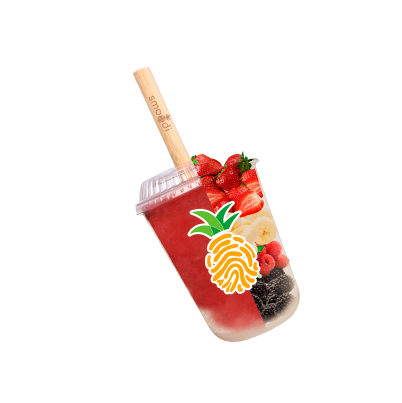
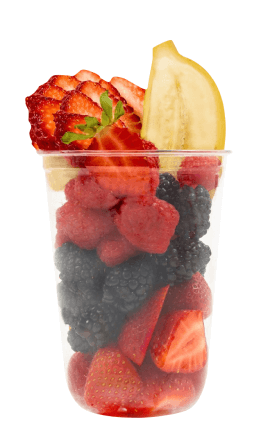
Smoodi's automated smoothie machines address the operational challenges that have historically prevented foodservice operators from offering high-quality, fruit-based beverages. Each Smoodi smoothie starts with individually quick frozen (IQF) fruit cups, not concentrates or flavored syrups. These sealed fruit cups contain real berries, tropical fruits, and other whole fruit ingredients that deliver natural vitamin C, antioxidants, and polyphenols.
The IQF process preserves the nutritional integrity of the fruit at peak ripeness. Because the fruit is frozen individually and sealed in cups, it retains the vitamins, minerals, and antioxidant compounds that consumers are specifically seeking. Every smoothie is blended with water only, ensuring that the nutritional profile comes entirely from real fruit rather than added sugars or artificial ingredients.
Smoodi's booster bar adds another dimension to the immune health offering. Operators can provide functional supplements like protein powder, collagen, and other nutritional boosters that customers can add to their smoothies. This customization allows each consumer to tailor their beverage to their specific health goals, whether that means adding protein for muscle recovery or collagen for skin health.
"Now we have healthy options available here in the cafeteria, and patients and even doctors are loving this."
— Dr. Nish Patel, Interventional Cardiologist, Baptist Health Miami
Operational Advantages for Immune Health Beverage Programs
Offering immune health beverages through Smoodi provides several operational advantages that traditional smoothie programs cannot match. The machine blends each smoothie in under 60 seconds and self-cleans between every use, eliminating the labor costs and food safety concerns associated with manual preparation.
The sealed IQF fruit cups have a shelf life of up to two years, which eliminates the spoilage risk that plagues fresh fruit programs. Operators no longer need to manage perishable inventory, discard expired produce, or worry about inconsistent quality due to seasonal fruit availability. Distribution through Dot Foods provides reliable, just-in-time supply chain access.
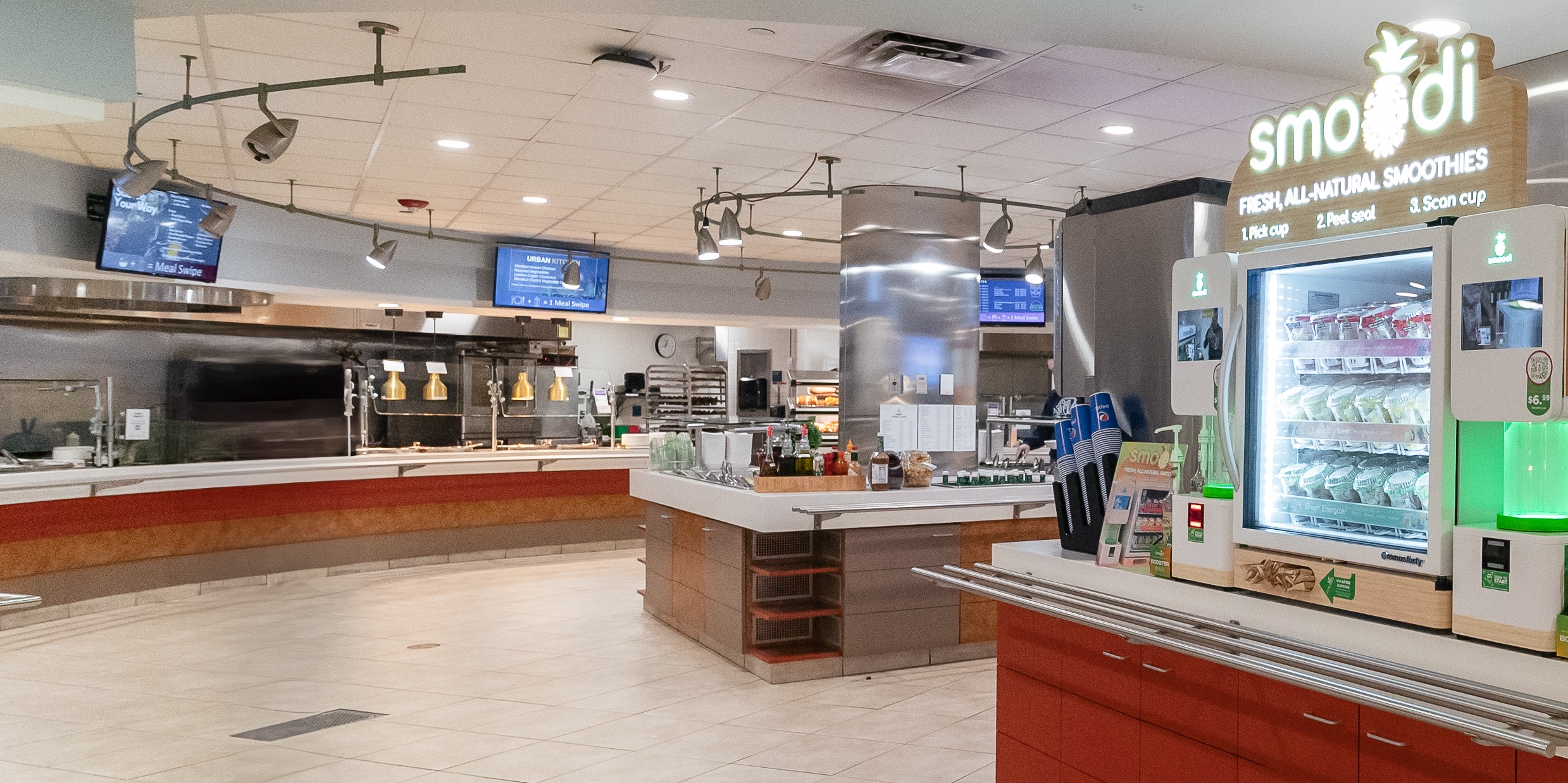
Smoodi machines require approximately 40 inches of floor space and connect to a standard 120V outlet along with water, sanitizer, and drain connections. This compact footprint means operators can add immune health beverages to existing foodservice areas without major renovations. For high-volume locations, multiple machines can be installed side by side to meet peak demand.
Building an Immune Health Beverage Strategy
Operators looking to capture the immune health beverage market should consider several factors when developing their strategy:
- Highlight real fruit ingredients and natural antioxidant content in signage and menu descriptions
- Position smoothie stations near high-traffic areas where health-conscious consumers make purchasing decisions
- Promote the booster bar options to encourage customization and increase average transaction value
- Use seasonal messaging around cold and flu season to drive awareness of immune-supporting beverage options
- Track sales data to identify which flavor profiles and booster combinations resonate most with your specific customer base
The immune health beverage market is not a passing trend. With the antioxidant drinks segment projected to grow at 6% annually through 2034, operators who establish strong immune health beverage programs now will be well positioned for sustained growth.
Meeting Consumer Expectations for Transparency
Today's health-conscious consumers demand transparency about what goes into their beverages. They read labels, ask questions, and actively avoid products with artificial ingredients, excessive added sugars, or vague sourcing claims. Smoodi's approach, using sealed IQF fruit cups blended with water only, provides a clear and simple ingredient story that builds consumer trust.
With over 300 locations across the US and more than 2 million smoothies served, Smoodi has demonstrated that consumers respond positively to a transparent, real-fruit approach. Founded at the Harvard Innovation Labs, Smoodi was designed from the ground up to solve the problem of delivering genuinely healthy beverages at scale without compromising on ingredient quality or operational efficiency.
For foodservice operators evaluating how to meet the growing demand for immune health beverages, the path forward is clear. Consumers want real fruit, natural antioxidants, and transparent ingredients. Smoodi delivers all three in a format that is operationally simple, consistently high quality, and financially compelling. Operators can explore lease options starting at $299 per month or purchase outright starting at $14,999. Visit getsmoodi.com for more information.
Ready to bring Smoodi to your location?
Join hundreds of operators delivering fresh, automated smoothies with zero labor.
Get Started