What Makes Personalized Nutrition Key in Senior Living?
Senior living dining is shifting to personalized nutrition programs. Self-service smoothie stations expand resident choice with zero added operational complexity.
Senior living dining is undergoing a fundamental shift from standardized meal service to personalized nutrition programs. Strategic Dining Services (2026) reports that self-operated communities are adopting food-as-medicine menus designed to support brain health, mobility, and vitality among residents. LCS identifies personalization as a basic expectation across senior living portfolios, with dining systems built to accommodate individual dietary needs, preferences, and routines without creating operational strain.
This shift has operational and competitive implications for every senior living operator. U.S. News (2026) now includes dining quality as a core evaluation criterion for senior living facilities, which means that dining directly affects a community's public rating and visibility to prospective residents and their families. The Bristal reports that dining has evolved from a functional necessity to a highlight of the day and a key differentiator in competitive markets. For community operators, dining quality affects occupancy, retention, and the willingness of families to pay premium rates.
Why Is Personalization the Central Theme?
Senior living residents are not a homogeneous group. Within a single community, dietary requirements span heart-healthy, diabetic-friendly, low-sodium, high-protein, anti-inflammatory, and gluten-free categories, among others. Preferences vary even more widely: some residents prefer traditional comfort foods while others prioritize functional nutrition. Routines differ as well, with some residents eating three structured meals and others preferring smaller, more frequent eating occasions throughout the day.
Personalization addresses this diversity by giving residents choice and control over what they eat and when. Communities that offer personalized dining report higher resident satisfaction, stronger family confidence, and improved health outcomes. The food-as-medicine model extends this further by designing menu options around specific nutritional goals: omega-3-rich foods for cognitive support, calcium and vitamin D for bone health, protein-dense options for muscle maintenance, and antioxidant-rich fruits for immune function.
For senior living marketing and sales teams, personalized dining is a tour differentiator. Prospective residents and their adult children evaluate communities partly on the quality and variety of food options. A community that can demonstrate personalized nutrition options during a tour (showing specific menu accommodations, variety of choices, and wellness-oriented offerings) creates a stronger impression than one that describes a standard rotating menu.
What Challenges Does Personalization Create?
While personalization improves resident satisfaction, it introduces operational complexity. The more individual choices a dining program offers, the more preparation, ingredient management, and service flexibility the kitchen must support.
- Menu variety requires more ingredients, more prep time, and more skilled kitchen staff to execute multiple options simultaneously
- Dietary accommodations require careful tracking to ensure that residents with medical dietary restrictions receive appropriate meals at every service
- Extended dining hours to accommodate varied routines increase labor costs and kitchen operating time
- Between-meal options (snacks, beverages, nutrition supplements) need separate preparation and stocking outside the standard meal schedule
For communities operating with lean kitchen staffs, every additional layer of personalization creates a proportional increase in workload. The communities that solve this challenge are those that find ways to offer personalized options without adding proportional labor. Self-service stations that allow residents to make their own choices, at their own pace, outside structured meal times are one of the most effective tools for expanding personalization without expanding kitchen staffing.
How Do Self-Service Nutrition Stations Fit?
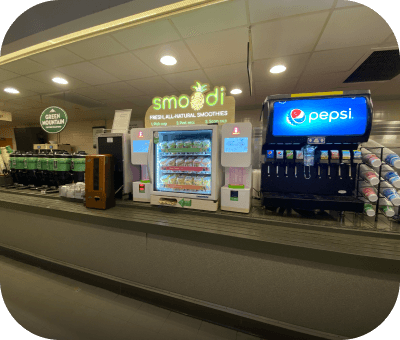
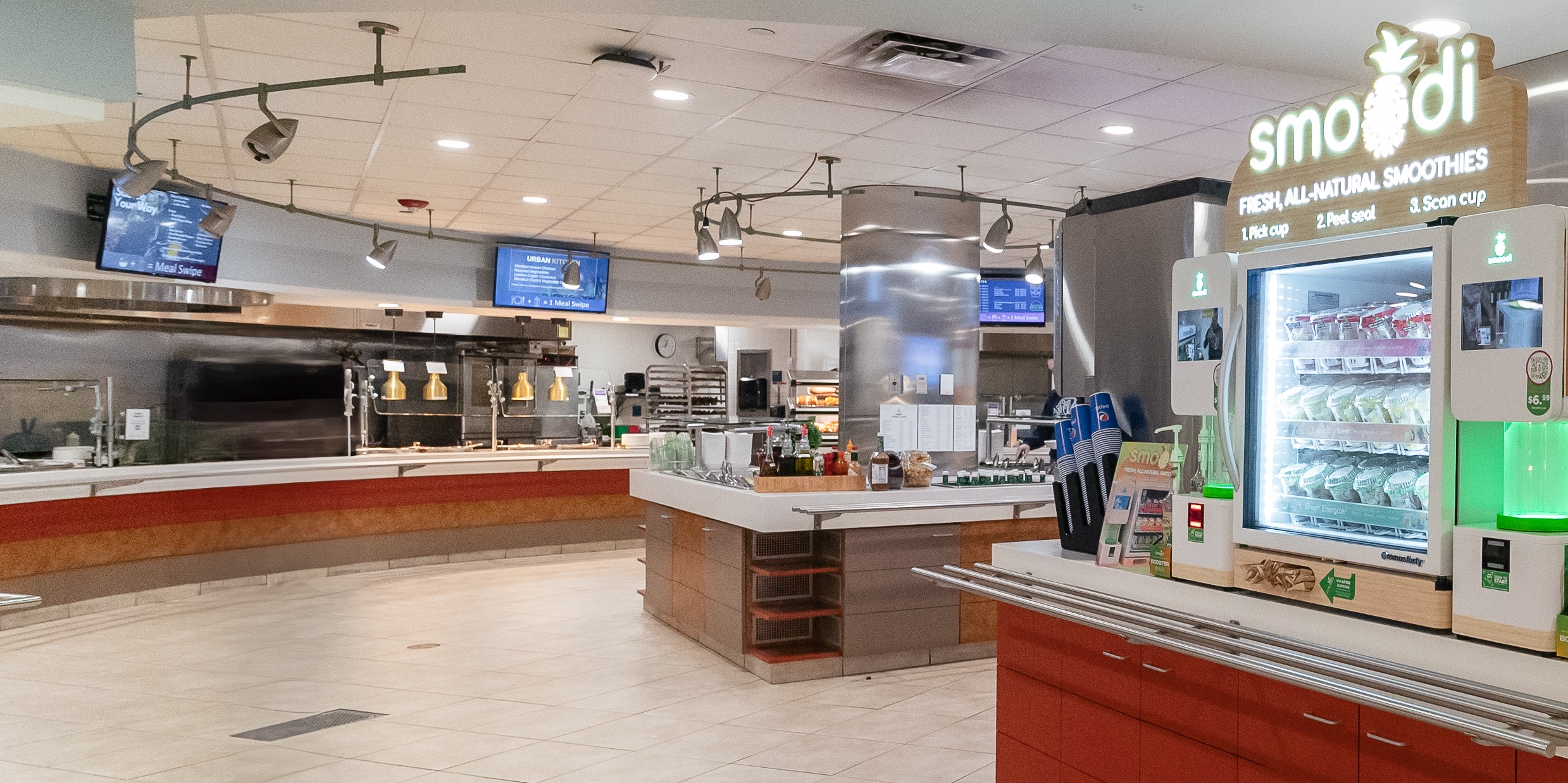
A self-service smoothie station in the dining area, fitness center, or common space gives residents a personalized nutrition option with zero demand on kitchen staff. Residents choose their own fruit flavor, add a protein or collagen booster if desired, and receive a fresh smoothie in under 60 seconds. The choice is theirs. The labor impact on the community is zero.
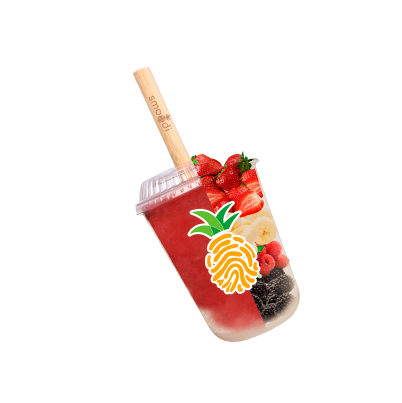
Smoodi's automated smoothie machine operates without staff. The machine self-cleans between every use. IQF (individually quick frozen) fruit cups are blended with water only, with no syrups, concentrates, or artificial ingredients. The simplicity of the ingredient list (whole fruit and water) makes the product compatible with virtually every dietary category in a senior living community. Cups have a shelf life of up to two years, which means the community can stock a full variety of flavors without concerns about expiration or waste.
The booster bar offers protein powder, collagen, and other functional supplements. For seniors focused on muscle maintenance, joint health, or daily protein intake, the ability to add a booster transforms a fruit smoothie into a functional nutrition product. This personalization happens at the point of service, not in the kitchen, and requires no staff involvement.
"The investment into smoodi has been phenomenal. We broke even in the first couple of weeks."
— Linda Thacker, Director of Dining Services, Maryville University
Where Should Stations Be Placed in Senior Living?
Placement within a senior living community determines utilization and resident satisfaction. Three locations consistently perform well.
Main Dining Area
Placing a smoothie station in or adjacent to the main dining room gives residents access to a fresh, healthy option during and between scheduled meals. Residents who want a lighter option for breakfast or a nutritious supplement between lunch and dinner can use the station without requesting a special preparation from the kitchen.
Fitness and Wellness Center
Active senior communities with fitness centers, pools, or wellness programs benefit from placing a smoothie station near the exercise area. Post-exercise nutrition is important for seniors maintaining muscle mass and joint health. A protein-boosted smoothie immediately after a fitness class or physical therapy session supports recovery goals.
Common Lounge or Activity Area
Senior living communities with social lounges, game rooms, or activity spaces can use a smoothie station as a social anchor. Residents who gather for afternoon activities appreciate having a healthy refreshment option available without returning to the dining room or requesting service from staff.
What Is the Financial Model for Senior Living?
Smoodi's operational lease starts at $299 per month for a 48-month term, scaling to $499 per month for a 12-month term. The purchase option is $14,999. For senior living communities, the smoothie station can be included in the dining program budget as a resident amenity. The cost is comparable to a monthly subscription for a coffee service or snack delivery program, but the perceived value is higher because residents receive a fresh, made-to-order product. Operators can calculate the financial picture at getsmoodi.com/roi.
Communities can offer smoothies as an included dining amenity (bundled into the monthly resident fee) or as an a la carte option (residents pay per smoothie). For communities using dining as a competitive differentiator, the included model signals that the community invests in resident wellness. For communities focused on cost management, the a la carte model generates revenue that offsets the lease cost.
Installation requires approximately 40 inches of floor space, a standard 120 VAC / 7A outlet, a water inlet (3/8 inch push-to-connect, 50 to 80 PSI filtered and potable), a sanitizer inlet (1/4 inch push-to-connect), and a drain (1 inch FNPT with 1/2 inch slope per 12 inches, open drain within 10 feet). Most senior living dining areas and common spaces already have or can easily add these utilities.
Smoodi operates in more than 300 locations across the United States, with over 2 million smoothies served. The company was founded at Harvard Innovation Labs. IQF fruit cups are distributed through Dot Foods, providing a reliable national supply chain that integrates with existing senior living food procurement systems.
Senior living operators, dining directors, and community sales teams interested in adding a personalized nutrition option that residents and families notice can explore deployment options at getsmoodi.com/get-started.
Ready to bring Smoodi to your location?
Join hundreds of operators delivering fresh, automated smoothies with zero labor.
Get Started