Why Is Plant-Based Protein Driving Smoothie Demand?
The plant-based protein market is projected to reach $24.3 billion in 2026 and $59.4 billion by 2036. Smoothies are one of the fastest-growing delivery formats for this demand, and foodservice operators are taking notice.
The global plant-based protein market has reached an inflection point. Valued at an estimated $24.3 billion in 2026 and projected to grow at 9.5% annually to $59.4 billion by 2036, plant-based protein is no longer a niche category. It is a mainstream consumer expectation. What has changed most recently is not the growth itself, but where that growth is concentrated. Consumers are moving away from heavily processed plant-based imitation products (burgers, sausages, chicken substitutes) and toward natural, minimally processed forms of plant protein that deliver nutritional benefits without long ingredient lists.
Smoothies sit at the center of this shift. They are one of the most natural and appealing delivery formats for plant-based protein, combining whole fruit with protein supplements in a form that consumers already associate with health and nutrition. For foodservice operators, this convergence creates a concrete opportunity: the ability to capture growing protein demand through a simple, automated beverage program.
What Is Driving Consumer Demand for Plant-Based Protein?
Several factors are accelerating plant-based protein adoption in 2026. Health consciousness continues to rise across all demographics, with consumers seeking foods that deliver functional benefits beyond basic nutrition. Protein, in particular, has become the nutrient consumers prioritize most when making food choices. This is visible in grocery trends (protein content is now a primary label-reading criterion), restaurant menus (protein-forward dishes are growing faster than any other category), and beverage programs (protein-enriched drinks are the fastest-growing segment in functional beverages).
The plant-based aspect adds a second layer of appeal. Consumers choosing plant-based protein cite multiple motivations: digestive comfort compared to whey or casein, alignment with sustainability values, suitability for dietary restrictions (lactose intolerance, dairy allergies), and a preference for ingredients they perceive as more natural. Innova Market Insights reports that consumers are increasingly shifting from processed imitation products toward natural plant proteins specifically for their nutritional and digestive advantages.
Food and beverage accounts for 28% of total plant-based protein demand, according to Future Market Insights. This means foodservice operators are not observing this trend from the sidelines. They are a primary channel for meeting consumer expectations.
Why Are Smoothies the Ideal Format for Plant-Based Protein?
Smoothies have several characteristics that make them uniquely suited to deliver plant-based protein to consumers.
First, the format is inherently customizable. A base smoothie of blended fruit can be enhanced with protein powder, collagen, or other functional supplements at the point of service. The customer chooses whether to add protein, how much, and what type. This customization happens without menu complexity, additional kitchen equipment, or specialized training.
Second, smoothies mask the taste and texture challenges that some plant-based proteins present on their own. Pea protein, hemp protein, and other plant-based sources can have earthy or chalky flavors that are less appealing in standalone form. Blended with mango, strawberry, or tropical fruit, those flavor notes disappear. The result is a product that tastes like a premium fruit smoothie while delivering 15 to 30 grams of protein per serving.
Third, smoothies align with the consumption occasions where protein demand is highest: post-workout recovery, meal replacement during busy schedules, and afternoon energy replenishment. The global smoothie market reflects this alignment, growing to $21.3 billion in 2026 at a 7.7% compound annual growth rate.
What Does This Trend Mean for Foodservice Operators?
For operators in gyms, corporate offices, universities, hospitals, hotels, and other facility types, the plant-based protein trend creates both an opportunity and a decision point. The opportunity is clear: consumers want protein-rich, plant-forward beverages, and they will pay a premium for them. The decision point is how to deliver that product without the operational complexity of a staffed smoothie bar.
Traditional smoothie bars require trained staff to measure ingredients, blend drinks, clean equipment, and manage inventory of fresh and frozen components. The labor cost, waste, and management overhead make this model impractical for most non-restaurant operators. A gym owner does not want to manage a food prep operation. A hotel F&B director does not want to hire and train smoothie bar staff. A corporate wellness manager does not want to source and store bags of protein powder.
The alternative is an automated system that handles preparation, portioning, and cleaning without staff involvement, while still offering the protein customization consumers expect.
How Does Smoodi Address Plant-Based Protein Demand?
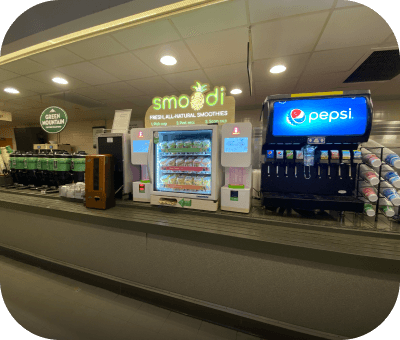
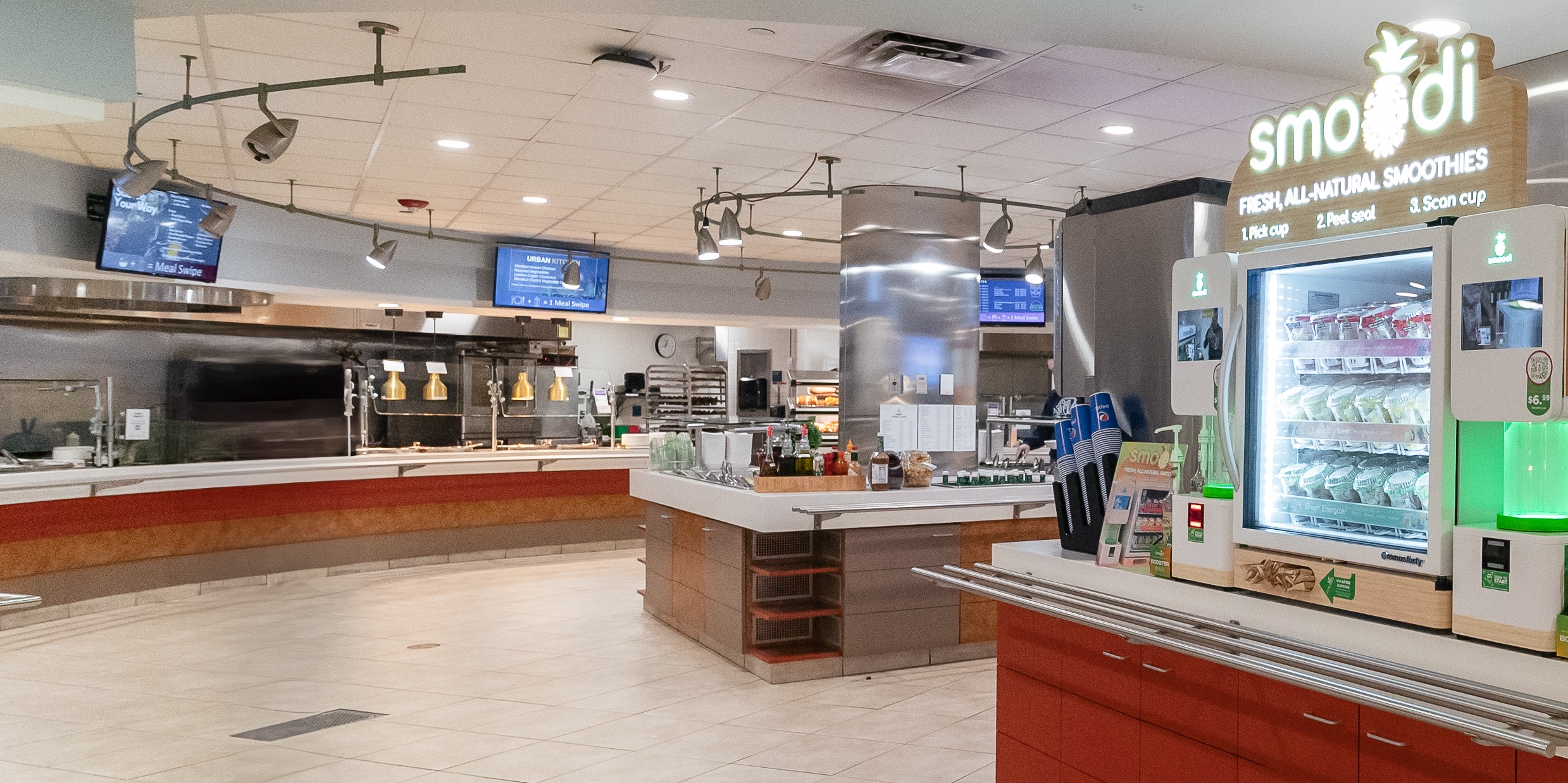
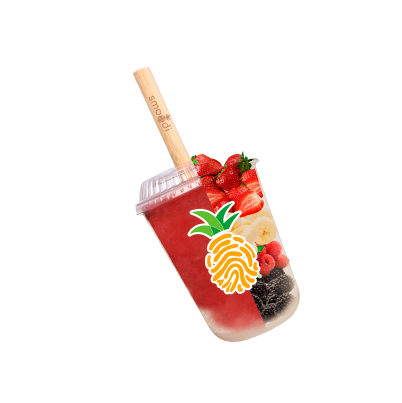
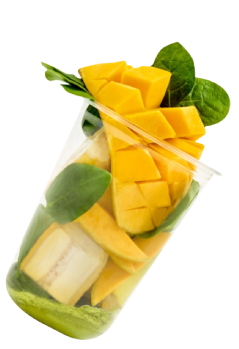
Smoodi's automated smoothie machines address plant-based protein demand through a combination of whole-fruit base smoothies and an integrated booster bar. Every smoothie starts with IQF (individually quick frozen) fruit cups blended with water only. There are no syrups, concentrates, added sugars, or artificial ingredients. The base product is clean, transparent, and aligned with the natural food preferences driving the plant-based movement.
The booster bar allows customers to add protein powder, collagen, and other functional supplements to their smoothie. This transforms a fruit smoothie into a protein-rich recovery drink or meal supplement with a single selection. The customer controls the customization. No staff intervention is required. No additional prep work, no measuring, no cleanup beyond what the machine handles automatically through its self-cleaning cycle between every use.
For operators, the booster bar increases the average transaction value by $1.00 to $2.00 per smoothie without adding labor or ingredient complexity. A $6.00 smoothie becomes a $7.50 or $8.00 protein smoothie, with the incremental ingredient cost covered by the price premium. This margin improvement is especially valuable in fitness centers, sports complexes, and corporate wellness environments where protein demand is concentrated.
"I have been looking to add a smoothie bar for years but did not want to deal with the labor and food waste. Having smoodi in our facility is a huge benefit for our members."
— Adam Healy, General Manager, Waverly Oaks Athletic Club
What Market Data Supports Adding Protein to a Beverage Program?
The market data supporting protein-enriched beverages is substantial. The protein beverage market is projected to reach $10.7 billion by 2034. Functional beverages as a category are growing faster than traditional beverages across nearly every foodservice segment. In corporate environments, sports and protein drinks in office pantries grew 64% year over year in 2026, signaling that workplace demand for protein-forward options is accelerating.
For university dining, the data is equally compelling. The Chartwells Higher Education 2026 Campus Dining Index (107,106 respondents across 231 campuses) identified high-protein meals and functional beverages as dominant student preferences. Students are not just interested in healthy food. They are specifically seeking protein and performance nutrition, the exact product category that a smoothie with a protein booster delivers.
In healthcare settings, protein is a clinical priority for patient recovery, surgical healing, and chronic disease management. A smoothie station in a hospital cafeteria that offers protein boosters serves a genuine clinical need while generating revenue for the facility.
How Can Operators Get Started with Protein Smoothie Programs?
Launching a protein-enriched smoothie program through Smoodi requires no culinary expertise, no dedicated staff, and no complex supply chain management. The machine blends fresh smoothies in under 60 seconds, self-cleans between uses, and occupies approximately 40 inches of floor space. Smoodi offers operational leases starting at $299 per month or purchase at $14,999. Fruit cups are distributed through Dot Foods with a shelf life of up to 2 years, ensuring consistent supply with zero spoilage risk.
Smoodi was founded at Harvard Innovation Labs and now operates in more than 300 locations across the United States, serving over 2 million smoothies. The combination of whole-fruit base smoothies and customizable protein boosters positions Smoodi at the intersection of the two fastest-growing categories in foodservice beverages: clean-label smoothies and functional protein drinks.
To explore how a protein-boosted smoothie program fits your facility, visit getsmoodi.com/get-started.
Ready to bring Smoodi to your location?
Join hundreds of operators delivering fresh, automated smoothies with zero labor.
Get Started