What Wellness Dining Trends Are Reshaping Senior Living?
Wellness-centered dining is the defining senior living foodservice trend for 2026. Communities that align their dining programs with brain health, functional nutrition, and resident independence are setting a new standard.
Wellness-centered dining has become the defining trend in senior living foodservice for 2026. Industry leaders including NEXDINE Hospitality, Culinary Services Group, and Strategic Dining Services have all identified the shift: dining programs in senior living communities are no longer measured by calorie counts alone. They are evaluated by how well they support brain health, mobility, energy, emotional well-being, and overall vitality. For senior living operators, dining directors, and regional food and beverage managers, this represents a fundamental change in how dining programs are designed, staffed, and measured.
Why Is Wellness-Centered Dining the Top Senior Living Trend?
The shift toward wellness-centered dining reflects demographic and clinical realities that are converging in 2026. The population of Americans aged 65 and older continues to grow, and residents entering senior living communities today have higher expectations for food quality, ingredient transparency, and nutritional value than any previous generation. These are consumers who spent decades reading labels, choosing organic produce, and investing in functional foods. They do not leave those preferences at the door when they move into a senior living community.
Clinical research has reinforced these expectations. Studies linking diet to cognitive health, joint mobility, and chronic disease management have moved from academic journals into mainstream awareness. Families evaluating senior living communities now ask about dining programs with the same scrutiny they apply to medical staffing and facility quality. A community that serves processed foods, high-sodium meals, and sugary beverages sends a signal that it has not kept pace with current nutritional science.
The competitive landscape adds urgency. Senior living communities are competing for residents in an increasingly transparent market where reviews, tours, and word-of-mouth referrals shape enrollment decisions. Communities with wellness-centered dining programs attract residents who are willing to pay premium rates for a lifestyle that supports their health goals. Communities without them lose prospects to competitors who have made the investment.
What Are the Key Pillars of Wellness-Centered Dining?
Wellness-centered dining in senior living is not a single initiative. It is a framework built on multiple interconnected pillars that together create a dining experience aligned with resident health outcomes.
Functional Foods for Brain Health and Joint Support
Functional foods targeting cognitive health and joint support are at the center of the wellness dining movement. Ingredients rich in antioxidants (blueberries, mangoes, strawberries), omega-3 fatty acids, collagen, and protein are being prioritized in menus designed for aging populations. Collagen, in particular, has gained attention for its role in supporting joint health and skin elasticity, two concerns that are top of mind for senior living residents. The collagen infused beverages market is valued at $2.8 billion in 2026, growing at 7.3 percent annually, reflecting broad consumer demand for collagen delivery formats beyond pills and powders.
Personalized Menus and Flexible Dining Venues
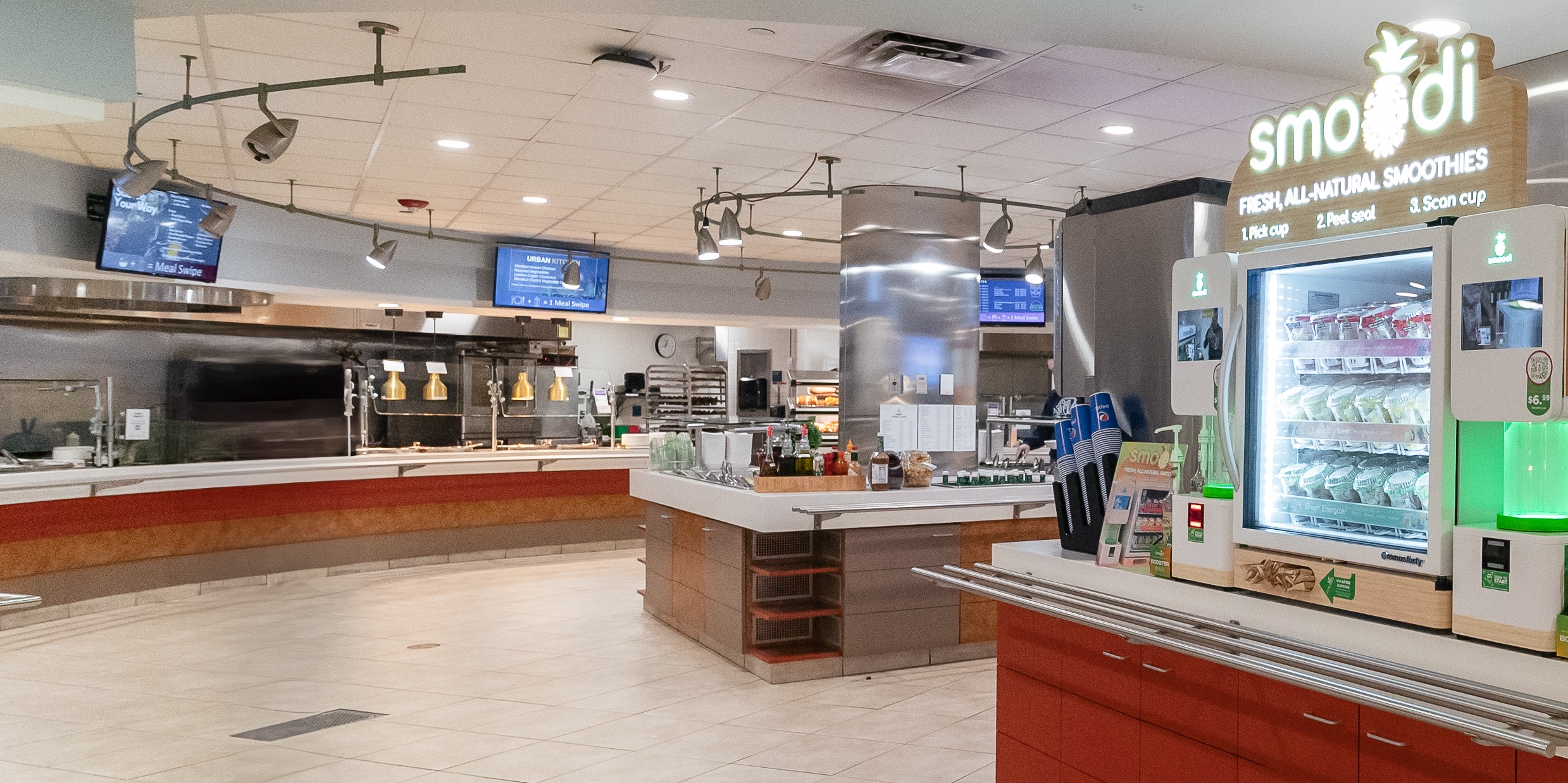
One-size-fits-all meal plans are being replaced by personalized menus that account for individual dietary needs, preferences, and health goals. Residents with diabetes need different nutritional profiles than residents focused on cognitive health or post-surgical recovery. Flexible dining venues, including satellite stations beyond the main dining room, give residents more choice and promote independence. A resident who can walk to a nutrition station in the community lounge and prepare their own snack has a different sense of autonomy than one who must wait for the next scheduled meal in a centralized dining hall.
Plant-Forward, Seasonal, and Minimally Processed Options
Senior living dining programs are increasingly sourcing from local vendors and emphasizing seasonal ingredients. Plant-forward options are expanding beyond token vegetarian entrees into a broader philosophy of nutrient-dense, whole-food preparation. Minimally processed foods, where the ingredient list is short and recognizable, align with both the clean label consumer trend (a $47.91 billion market in 2026) and the clinical best practices for managing chronic conditions common in senior populations.
Dining as a Social and Community Experience
The social dimension of dining is receiving new attention. For senior living residents, mealtimes are often the primary social touchpoint of the day. Communities that treat dining as a community-building activity, not just a nutrition delivery mechanism, see higher resident satisfaction and better health outcomes. This means creating inviting dining environments, offering flexible meal times, and providing food options that residents look forward to and enjoy discussing with peers.
How Does Technology Support Wellness Dining in Senior Living?
Technology is streamlining both the operational and resident-facing aspects of wellness dining. On the operational side, digital ordering systems, inventory management tools, and menu planning software help dining directors manage the complexity of personalized, wellness-focused menus without proportionally increasing labor. On the resident-facing side, self-service stations and automated preparation equipment expand food availability beyond scheduled meal periods.
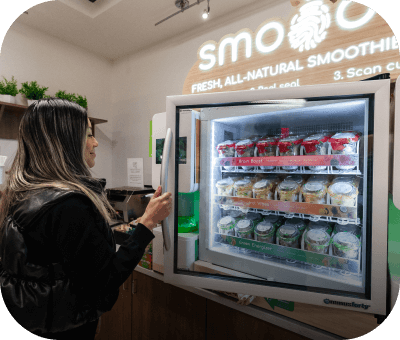
Self-service technology is particularly valuable in senior living because it promotes resident independence, a core wellness principle. A resident who can independently prepare a fresh smoothie at 3:00 PM does not need to request assistance from staff, wait for a scheduled snack service, or settle for a packaged alternative. The act of choosing a flavor, adding a booster, and receiving a freshly prepared beverage contributes to the resident's sense of autonomy and engagement with their own nutrition.
For operators, self-service stations that require no dedicated staff solve the labor equation that makes traditional smoothie bars or juice stations impractical in senior living settings. The staffing crisis affecting all of foodservice, where labor recruitment has surged from 18 to 33 percent as the number one operator challenge, hits senior living particularly hard because of the specialized care requirements that compete for the same labor pool.
What Role Does Zero Added Sugar Play in Senior Dining?
Chronic disease management is a daily reality in senior living communities. Diabetes, cardiovascular disease, and obesity are prevalent conditions that dietary programs must address. Products with zero added sugar are not a marketing differentiator in senior living; they are a clinical requirement. Beverage programs that rely on syrups, concentrates, or flavored mixes with added sugars create complications for residents managing blood glucose levels and for the clinical staff monitoring their health.
A beverage option that delivers genuine nutritional value, including vitamins, fiber, and antioxidants from real fruit, with zero added sugar, fits the clinical profile that senior living dining directors need. When that same beverage can be customized with protein powder for residents focused on muscle maintenance or collagen for joint support, it becomes a functional nutrition tool rather than just a snack.
How Does Smoodi Fit the Wellness Dining Model?
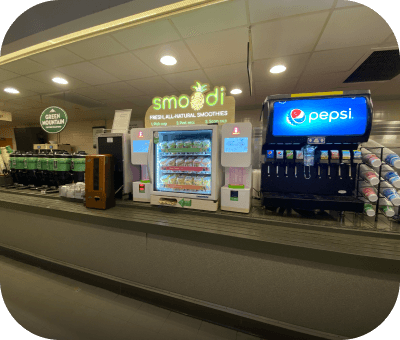
Smoodi's automated smoothie machine aligns with every pillar of the wellness-centered dining framework that is reshaping senior living in 2026. Each smoothie is blended from IQF (individually quick frozen) real fruit cups with water only. No syrups, concentrates, or artificial ingredients. The fruit delivers antioxidants (blueberries, mangoes, strawberries), vitamins, and fiber. The booster bar offers collagen for joint support, protein powder for muscle maintenance, and other functional supplements, allowing residents to customize their nutrition based on individual health goals.
"The investment into smoodi has been phenomenal. We broke even in the first couple of weeks."
— Linda Thacker, Director of Dining Services, Maryville University
The self-service format promotes resident independence. The machine blends a fresh smoothie in under 60 seconds and self-cleans between every use, requiring no staff intervention. The compact design requires approximately 40 inches of floor space, making it suitable for satellite dining stations in community lounges, fitness areas, and activity centers beyond the main dining room. IQF fruit cups have a shelf life of up to two years, simplifying inventory management and reducing food waste. Distribution is through Dot Foods.
Smoodi operates in more than 300 locations across the United States, with over 2 million smoothies served. The company was founded at Harvard Innovation Labs. The operational lease starts at $299 per month for a 48-month term, with a purchase option at $14,999. Zero added sugar means zero complication for residents managing chronic conditions.
Senior living operators and dining directors exploring wellness-centered nutrition stations can learn more at getsmoodi.com/get-started.
Ready to bring Smoodi to your location?
Join hundreds of operators delivering fresh, automated smoothies with zero labor.
Get Started