What Self-Service Food Amenities Do Student Housing Properties Need?
Student housing developers are adding self-service food amenities to clubhouses and study lounges. Smoothies lead campus beverage demand at 45 percent.
Student housing development in 2026 has entered a new phase where lifestyle amenities define a property's competitive position. The days when a fitness center and a swimming pool were enough to attract and retain residents are over. Today's student renters evaluate properties based on how well the building supports their daily routines, and food access is central to that evaluation. According to Multifamily Executive 2026 reporting, clubhouses are evolving into 24/7 food and beverage destinations where residents expect grab-and-go options, social gathering spaces, and wellness-oriented products available around the clock.
For student housing developers, property managers, and university housing directors, the challenge is clear: residents want food amenities, but traditional foodservice models (staffed cafes, catered events, vending machines stocked with processed snacks) create labor costs, waste, and operational complexity that erode the investment. The properties that solve this equation will win lease renewals and attract new residents. The ones that do not will watch residents choose competitors who offer a more complete living experience.
Why Are Food Amenities Now a Priority in Student Housing?
Three forces are converging to push food amenities to the top of the student housing amenity list.
First, student expectations have shifted. Chartwells Higher Education CDI 2026 reports that smoothies are the number one requested beverage on college campuses, with 45 percent of students naming them as their top choice. High protein is the number one dietary preference at 28 percent, and clean eating demand has increased 40 percent year over year. These students do not leave their food preferences at the campus dining hall door. They carry them into their apartments, their study sessions, and their fitness routines. A student housing property that provides access to the products students already want creates a daily touchpoint that reinforces resident satisfaction.
Second, the competitive landscape has intensified. Purpose-built student housing properties compete not only with each other but also with off-campus apartments, university-owned residence halls, and co-living concepts. In markets with oversupply, amenities become the differentiator. A rooftop lounge or a gaming room may attract attention during a tour, but a self-service food station delivers value every single day of the lease term. Daily-use amenities drive retention because they become part of the resident's routine.
Third, developers are seeking amenities that generate revenue or reduce operational costs rather than adding ongoing expense. A staffed coffee bar requires hiring, scheduling, managing inventory, and absorbing losses on slow days. A self-service automated station operates 24/7 with zero labor, predictable supply costs, and no waste. The financial profile aligns with what developers and asset managers need: an amenity that enhances the property without creating a cost center.
Where Do Self-Service Stations Fit in Student Housing?
The placement of a self-service food amenity within a student housing property determines how effectively it serves residents and how frequently it gets used. Three locations consistently perform well.
Clubhouse and Common Area
The clubhouse is the social center of most student housing properties. Residents gather there to study, socialize, and take breaks between classes. Placing a self-service smoothie station in the clubhouse creates a natural anchor point that draws residents into the shared space and encourages longer stays. Properties that position food amenities in the clubhouse report higher utilization of the common area overall, because residents who come for a smoothie often stay to study or connect with neighbors.
Fitness Center
Student housing fitness centers see consistent traffic from early morning through late evening. Residents who work out want a post-workout recovery option immediately after their session, not 20 minutes later after they have returned to their apartment and changed. A smoothie station with protein and collagen boosters, placed at the fitness center entrance or exit, captures this moment. The connection between physical activity and nutritional recovery is intuitive, and residents view the station as a natural extension of the fitness amenity itself.
Study Lounge or Library Space
Late-night study sessions create demand for energy and focus without the crash that comes from sugary energy drinks or processed snacks. A whole-fruit smoothie provides sustained energy from natural sugars and, when paired with a protein booster, supports the kind of sustained concentration that students need during exam periods. Properties with study lounges that include a self-service food option report higher satisfaction scores for the study space itself.
What Operational Model Works for Student Housing?
Student housing properties operate with lean management teams. A typical property manager oversees maintenance, leasing, resident relations, and vendor coordination with a small staff. Adding a food amenity that requires hiring, training, and managing foodservice employees is impractical for most properties. The operational model must be zero-labor from the property's perspective.
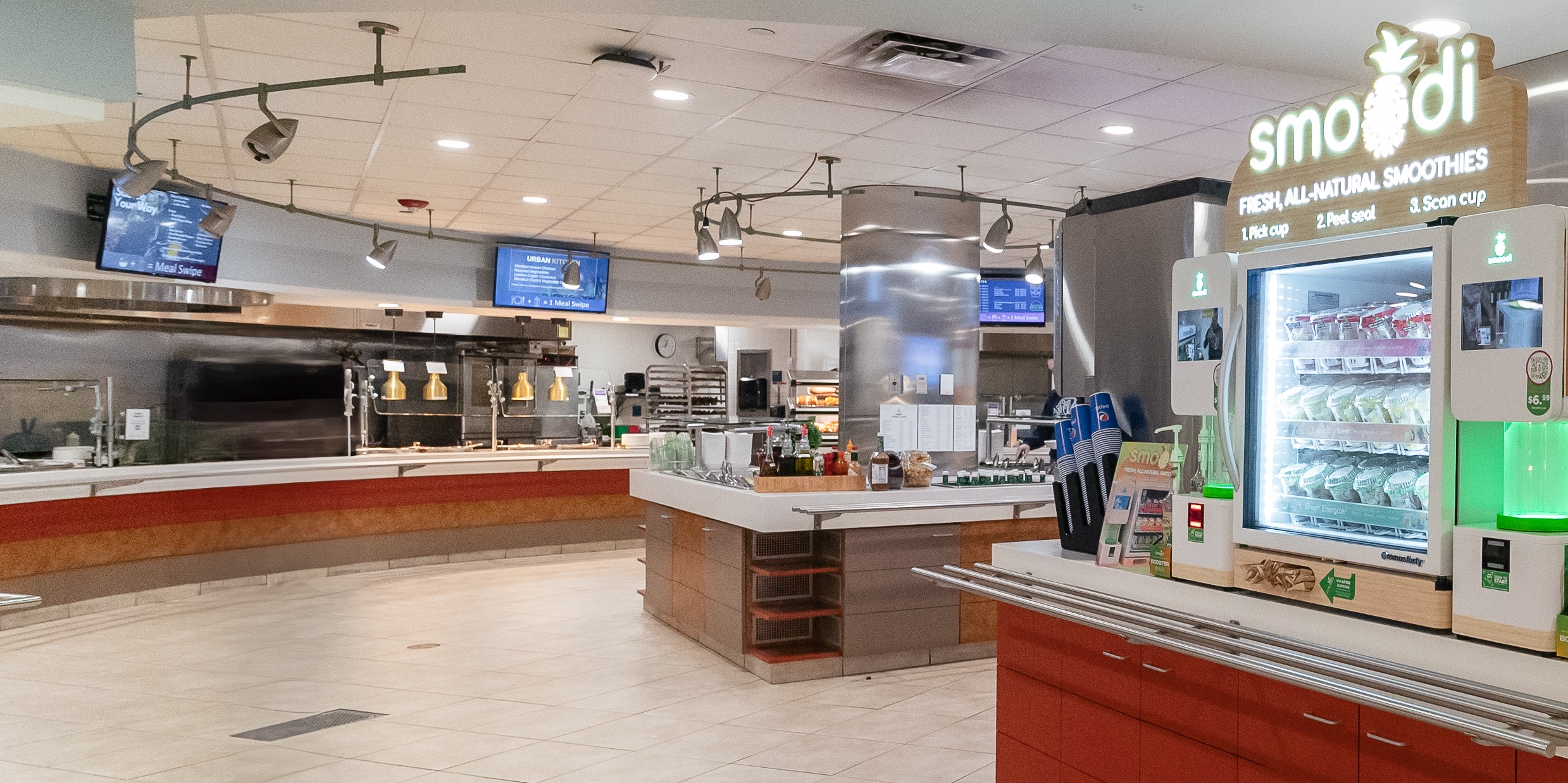
Smoodi's automated smoothie machine meets this requirement precisely. The machine occupies approximately 40 inches of floor space, fitting into a clubhouse kitchen counter, a fitness center alcove, or a study lounge corner without displacing existing furniture. It blends a fresh, whole-fruit smoothie in under 60 seconds and self-cleans between every use. No staff is required to operate, maintain, or clean the machine during daily use.
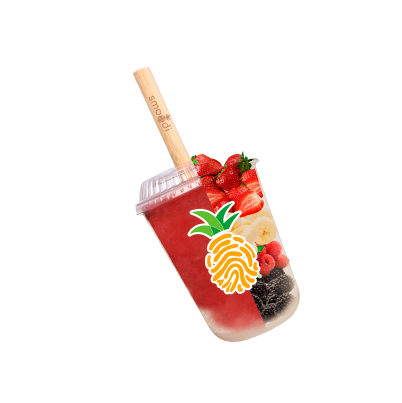
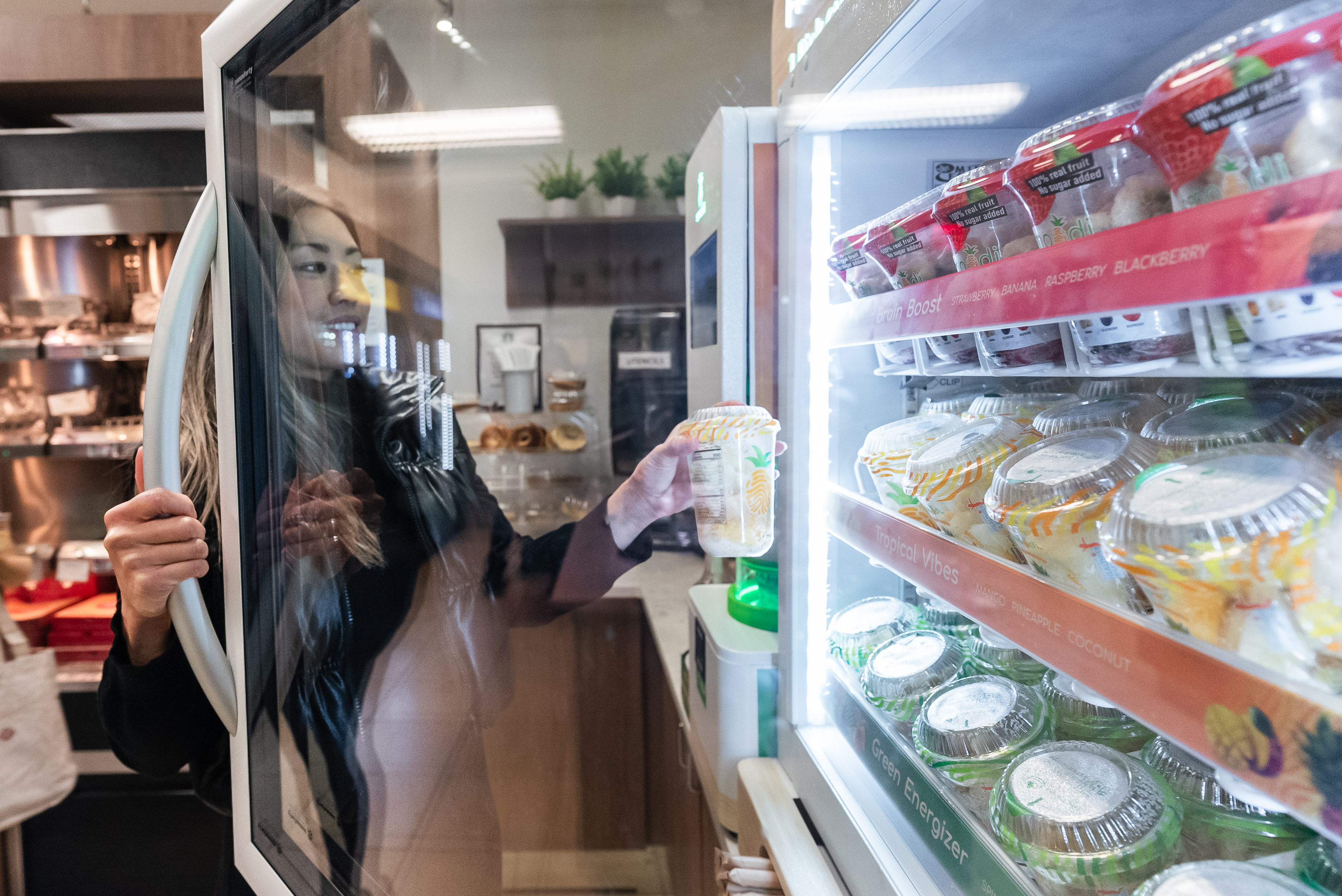
IQF (individually quick frozen) fruit cups are blended with water only. No syrups, concentrates, or artificial ingredients. The cups have a shelf life of up to two years, which means inventory management is simple and waste is eliminated entirely. For student housing properties where demand fluctuates with the academic calendar (high during the school year, low during breaks), the long shelf life ensures that unused inventory does not expire. Cups are distributed through Dot Foods, providing a reliable national supply chain.
Installation requires a standard 120 VAC / 7A outlet, a water inlet (3/8 inch push-to-connect, 50 to 80 PSI filtered and potable), a sanitizer inlet (1/4 inch push-to-connect), and a drain (1 inch FNPT with 1/2 inch slope per 12 inches, open drain within 10 feet). Most student housing clubhouses and fitness centers already have these utilities available or can add them during routine capital improvements.
"Landing with smoodi was partly because it was a smooth and barrier free process where we really felt confident in the product."
— Raphaella Prange, VP of Student Life, Maryville University
How Does a Smoothie Station Affect Lease Renewals?
Lease renewal is the most important financial metric in student housing. Acquiring a new resident costs significantly more than retaining an existing one, and turnover creates vacancy loss, marketing expense, and unit preparation costs. Amenities that become part of a resident's daily routine create switching costs that make renewal the path of least resistance.
A self-service smoothie station becomes habitual quickly. Residents who use it after workouts, during study sessions, or as a morning routine build the station into their daily schedule. When renewal season arrives, leaving the property means losing access to a convenience they use regularly. This is the same retention dynamic that high-speed internet, in-unit laundry, and package lockers create: once residents experience the convenience, they are reluctant to move to a property that lacks it.
For property managers, the smoothie station also serves as a visible, tangible amenity during leasing tours. Prospective residents can see and try the product during their visit, creating an immediate sensory impression that photographs of a pool or a rendering of a planned renovation cannot match.
What Is the Financial Structure?
Smoodi's operational lease starts at $299 per month for a 48-month term, scaling to $499 per month for a 12-month term. The purchase option is $14,999. For student housing operators, the lease model allows the cost to be included in the property's operating budget as an amenity expense, similar to how fitness equipment leases or cable/internet contracts are structured. No capital expenditure approval is required.
Properties can offer smoothies as a complimentary resident perk (absorbing the lease and cup costs as part of the amenity package) or as a revenue-generating amenity (residents pay per smoothie, with the property retaining the margin above lease and cup costs). Both models work, and the choice depends on the property's competitive positioning and financial strategy.
The booster bar offers protein powder, collagen, and other functional supplements, providing additional value that aligns with the health and wellness focus that student residents prioritize. Smoodi operates in more than 300 locations across the United States, with over 2 million smoothies served. The company was founded at Harvard Innovation Labs.
Student housing developers, property managers, and university housing directors interested in adding a self-service food amenity can explore deployment options at getsmoodi.com/get-started.
Ready to bring Smoodi to your location?
Join hundreds of operators delivering fresh, automated smoothies with zero labor.
Get Started