How Will the US Dye Ban Reshape Beverage Programs?
The US Health Secretary announced a ban on eight artificial food dyes effective by end of 2026. Beverage programs relying on syrups, concentrates, and flavor powders face reformulation costs and supply chain disruption.
The US Health Secretary announced a ban on eight artificial food dyes, with approval of four natural color additives, effective by the end of 2026. This is the most significant ingredient regulation change in decades for foodservice operators. Red 40, Yellow 5, Yellow 6, Blue 1, Blue 2, Green 3, Red 3, and Orange B are all targeted. These dyes are present in thousands of commercial food and beverage products, from flavored drink mixes and fountain syrups to smoothie bases, sports beverages, and dessert toppings. For food and beverage directors, procurement managers, and compliance officers, the dye ban creates an immediate evaluation requirement: which products in your current program contain targeted dyes, and what is your compliance path?
Which Foodservice Beverage Products Are Most Exposed?
Beverage programs are among the most exposed categories in the artificial dye ban. Many commercial beverage products use synthetic dyes to create consistent, visually appealing colors that consumers associate with specific flavors. Red 40 appears in strawberry-flavored drinks, fruit punches, and sports beverages. Yellow 5 and Yellow 6 color citrus drinks, lemonade mixes, and tropical-flavored beverages. Blue 1 appears in blueberry-flavored products, sports drinks, and specialty beverages.
The exposure extends beyond obvious colored drinks. Many smoothie base mixes, frozen yogurt bases, and flavored syrups used in foodservice contain synthetic dyes to standardize appearance across batches. A strawberry smoothie mix may contain Red 40 to ensure the same pink color regardless of the actual fruit content. A mango drink base may use Yellow 5 to maintain a consistent orange appearance. These dyes compensate for the natural color variation that occurs in products made with real fruit, which is precisely why products made entirely from real fruit do not need them.
Operators should audit their current beverage supply chain by requesting ingredient disclosure from every supplier. Products that list any of the eight targeted dyes must be replaced, reformulated, or eliminated before the ban takes effect. The audit should cover not only primary beverage products but also toppings, flavor shots, syrups, and any add-on ingredient that touches the final product served to customers.
What Does Reformulation Cost Operators and Suppliers?
The reformulation path is expensive, time-consuming, and carries significant risk. Natural color alternatives, including anthocyanins from berries, beta-carotene from carrots, and turmeric-derived curcumin, cost two to five times more than synthetic dyes. Beyond the raw material cost, natural colors behave differently in formulation. They are sensitive to pH, temperature, and light exposure, meaning products reformulated with natural colors may have shorter shelf life, different taste profiles, and less color consistency across batches.
Large consumer packaged goods companies are investing hundreds of millions of dollars in reformulation programs. They have the research and development infrastructure, the supply chain scale, and the timeline flexibility to manage this transition. Smaller foodservice suppliers, regional beverage companies, and contract manufacturers face a much steeper challenge. Many do not have in-house food science teams capable of managing complex reformulation projects. They rely on ingredient suppliers to provide reformulated bases, which may not be available on the timeline the ban requires.
For foodservice operators, the reformulation challenge is indirect but real. Even if an operator does not manufacture their own beverages, they depend on suppliers who do. A supplier that cannot reformulate in time may discontinue a product, change its flavor profile, or increase its price to cover reformulation costs. Operators who wait for their suppliers to solve the problem may find themselves without key menu items at the worst possible moment.
What Are the Three Compliance Paths for Operators?
Operators facing the dye ban have three compliance paths, each with different cost, complexity, and timeline implications.
Path 1: Wait for Supplier Reformulation
The passive approach is to wait for current suppliers to reformulate their products with natural color alternatives. This path requires no action from the operator but carries the highest risk. Suppliers may not complete reformulation on time, the reformulated product may taste or look different, and price increases are almost certain. Operators who choose this path should request written confirmation from every beverage supplier that their products will be compliant by the ban effective date.
Path 2: Switch to Pre-Compliant Products
The proactive approach is to identify and switch to beverage products that are already compliant because they never contained artificial dyes. This path requires product evaluation and potentially new supplier relationships, but it eliminates reformulation risk entirely. Products made from real, whole ingredients with no added colorings are inherently compliant regardless of which dyes are banned now or in the future.
Path 3: Adopt Equipment That Produces Naturally Colored Products
The structural approach is to shift from purchased beverage products to on-site preparation equipment that uses naturally colored ingredients by design. This path addresses not only the current dye ban but any future ingredient regulation changes. Equipment that blends real fruit produces beverages colored entirely by the fruit itself: mango creates orange, blueberry creates purple, strawberry creates red. No colorings of any kind, synthetic or natural, are added or needed.
Why Does This Ban Matter Beyond Compliance?
The dye ban is the regulatory expression of a consumer trend that has been building for years. The clean label ingredients market is projected at $47.91 billion in 2026, growing to $83.4 billion by 2034. Nearly one in three new food and beverage launches globally carry a clean label claim. Sixty-two percent of consumers want greater ingredient transparency, and 54 percent actively review labels before purchasing.
Operators who treat the dye ban as merely a compliance exercise miss the larger opportunity. The ban is accelerating a shift that consumer demand was already driving. Foodservice programs that position themselves as clean-label, naturally colored, and free from artificial additives are aligning with a $47.91 billion market trend, not just checking a regulatory box. The operators who move first gain a marketing advantage that compounds over time as consumers increasingly associate artificial ingredients with outdated food programs.
How Does Smoodi Provide Instant Dye Ban Compliance?
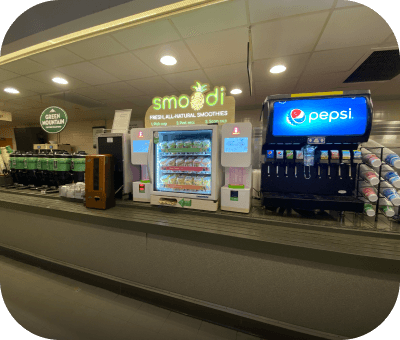
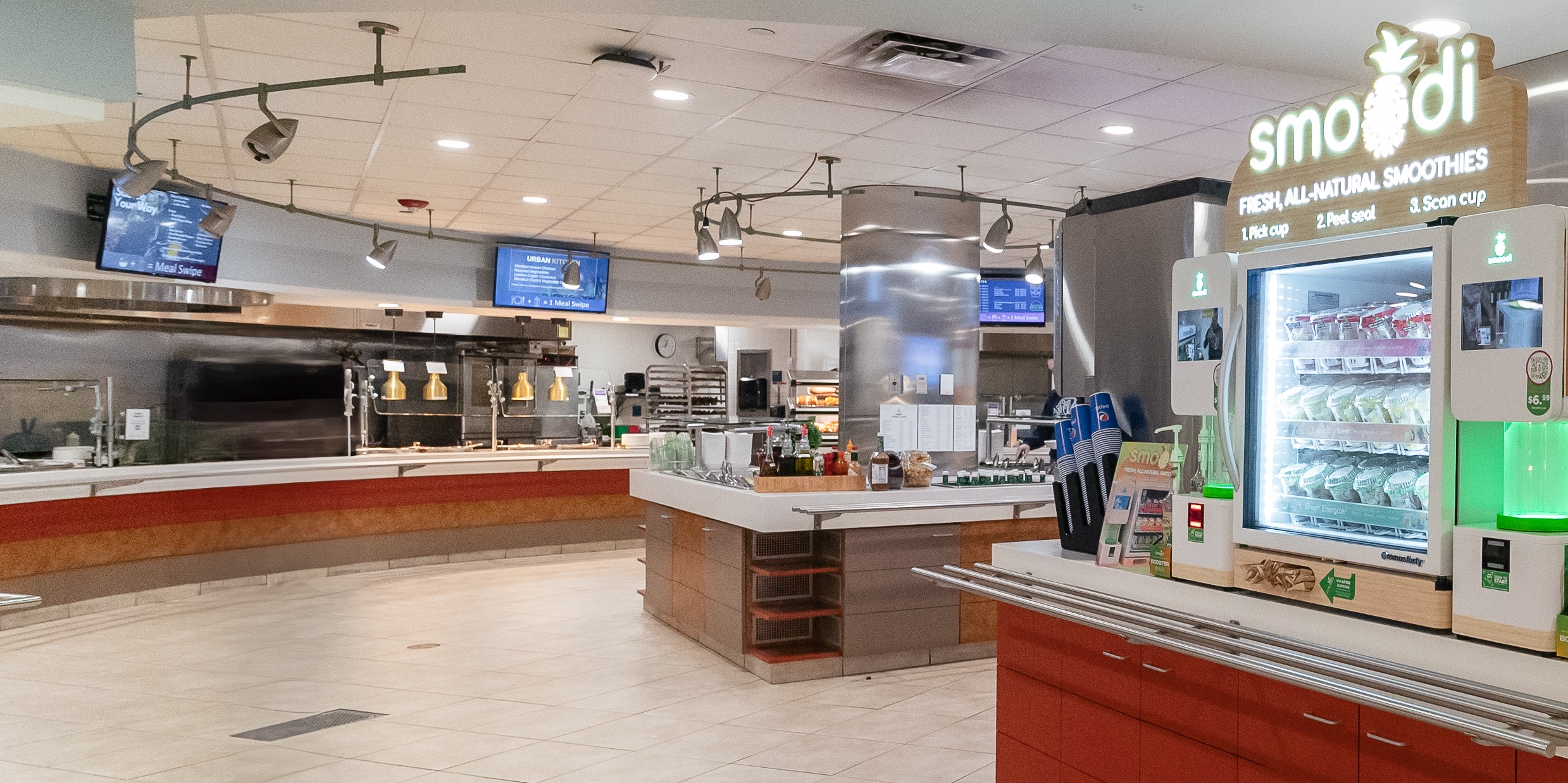
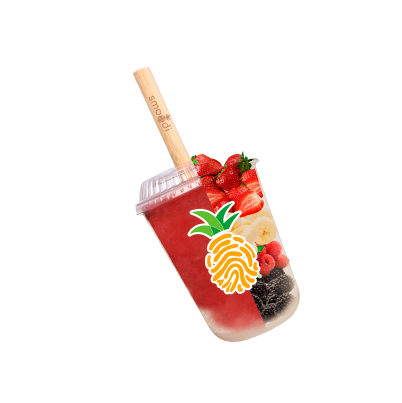
Smoodi's automated smoothie machine produces beverages that are inherently compliant with the artificial dye ban because there was never anything artificial to remove. Each smoothie is blended from IQF (individually quick frozen) real fruit cups with water only. The color of every smoothie comes entirely from the fruit: mango smoothies are orange because mangoes are orange, blueberry smoothies are purple because blueberries are purple, strawberry smoothies are red because strawberries are red. Zero artificial colorings, zero natural color additives, zero syrups, zero concentrates. The ingredient list is two items: fruit and water.
"Now we have healthy options available here in the cafeteria, and patients and even doctors are loving this."
— Dr. Nish Patel, Interventional Cardiologist, Baptist Health Miami
For operators, this means zero reformulation cost, zero supply chain disruption, and zero compliance risk from the dye ban. The machine self-cleans between every use and blends a fresh smoothie in under 60 seconds. The compact design requires approximately 40 inches of floor space. IQF fruit cups have a shelf life of up to two years and are distributed through Dot Foods.
Smoodi operates in more than 300 locations across the United States, with over 2 million smoothies served. The company was founded at Harvard Innovation Labs. The operational lease starts at $299 per month for a 48-month term, with a purchase option at $14,999. The booster bar offers protein powder, collagen, and other functional supplements, all with transparent ingredient lists.
Operators evaluating their beverage programs for dye ban compliance can explore a naturally compliant option at getsmoodi.com/get-started.
Ready to bring Smoodi to your location?
Join hundreds of operators delivering fresh, automated smoothies with zero labor.
Get Started