What Does Clean Label Mean for Foodservice Drinks?
The clean label ingredients market is projected at $47.91 billion in 2026. Nearly one in three new food and beverage launches carry a clean label claim, and 62 percent of consumers want greater ingredient transparency.
The clean label ingredients market is projected at $47.91 billion in 2026, growing to $83.4 billion by 2034 according to Fortune Business Insights. Nearly one in three new food and beverage launches globally now carry a clean label claim, per Innova Market Insights. Sixty-two percent of consumers want greater ingredient transparency, and 54 percent actively review labels before purchasing, according to Ingredion research. For foodservice operators, clean label is no longer a niche marketing term. It is a consumer expectation, a procurement standard, and, with the US artificial dye ban taking effect by the end of 2026, an emerging regulatory requirement. Beverage programs are at the center of this shift because beverages are where artificial ingredients have historically been most concentrated and most visible.
What Does Clean Label Actually Mean in Foodservice?
Clean label does not have a single regulatory definition. It is a consumer-driven standard that generally means products made with recognizable, minimally processed ingredients and free from artificial additives, synthetic colors, artificial preservatives, and chemical-sounding ingredients that consumers cannot identify. In practice, clean label means a customer can read the ingredient list, understand every item on it, and feel confident that nothing unnecessary or artificial was added.
For foodservice beverage programs, the clean label standard creates a specific set of evaluation criteria. Does the product contain artificial colors (Red 40, Yellow 5, Blue 1, or others)? Does it contain artificial sweeteners (aspartame, sucralose, acesulfame potassium)? Does it contain artificial preservatives (sodium benzoate, potassium sorbate)? Does it contain flavor concentrates, syrups, or bases with ingredient lists longer than what a consumer would expect? If the answer to any of these questions is yes, the product does not meet the clean label standard that 62 percent of consumers now expect.
The distinction matters because many beverage products marketed as healthy still contain artificial ingredients. A smoothie mix that lists real fruit on the front label may contain artificial colors, added sugars, and preservatives in the fine print. A sports drink positioned as a performance product may contain multiple synthetic dyes. Operators who want to offer genuinely clean label beverages must evaluate the actual ingredient list, not the marketing claim.
Why Are Consumers Paying More for Clean Label?
The clean label premium is well documented. Gen Z and millennial consumers pay 20 to 30 percent more for products with claims like organic, natural, high protein, and no artificial ingredients, according to Univar Solutions research. This willingness to pay more is not limited to grocery retail. It extends to foodservice, where consumers increasingly evaluate the ingredient quality of what they purchase at work, at the gym, on campus, and in healthcare settings.
The premium reflects a deeper shift in how consumers relate to food. Health-conscious consumers, particularly those influenced by the wellness economy (valued at over $5.6 trillion globally by the Global Wellness Institute), view food and beverage choices as health decisions rather than convenience decisions. They scrutinize ingredients the way previous generations scrutinized calorie counts. For these consumers, a clean label is not a bonus. It is a prerequisite for purchase.
The GLP-1 medication trend amplifies this behavior. With 18 percent of American adults now using GLP-1 medications, millions of consumers are actively monitoring what goes into their food and beverages. These consumers avoid added sugars, artificial sweeteners, and unnecessary additives. They gravitate toward products with short, transparent ingredient lists. A beverage program that cannot demonstrate clean label credentials loses this growing and health-focused consumer segment.
How Does the Dye Ban Accelerate Clean Label Adoption?
The US Health Secretary announced a ban on eight artificial food dyes effective by the end of 2026. This regulatory action converts clean label from a voluntary consumer preference into a compliance requirement for any product containing the targeted dyes. Beverage programs that rely on smoothie mixes, flavored syrups, fountain drinks, or sports beverages containing Red 40, Yellow 5, Yellow 6, Blue 1, Blue 2, Green 3, Red 3, or Orange B must reformulate or replace those products before the ban takes effect.
The ban creates urgency, but the underlying trend would continue regardless of regulation. Consumer demand for clean label was growing at double-digit rates before the ban was announced. The regulatory action simply raises the floor: products that could previously choose to ignore clean label consumer preferences must now comply with the legal standard on dyes, at minimum. Operators who view the dye ban as merely a compliance task are missing the broader market signal. The operators who will benefit most are those who treat the ban as an opportunity to accelerate their entire beverage program toward clean label positioning.
What Does a Clean Label Beverage Program Look Like?
A genuinely clean label beverage program meets four criteria that operators can evaluate against their current offerings.
- Ingredient transparency: every product's full ingredient list is available, understandable, and contains only recognizable items. No chemical additives, no artificial colors, no synthetic preservatives.
- Minimal processing: ingredients are as close to their whole-food form as the product format allows. Real fruit rather than fruit concentrate. Water rather than flavored syrups. Whole ingredients rather than reconstituted powders.
- No artificial anything: zero artificial colors, zero artificial sweeteners, zero artificial preservatives, zero artificial flavors. The standard is absolute, not relative.
- Short ingredient lists: the fewer ingredients, the cleaner the label. The gold standard is a product where the ingredient list matches what a consumer would use if they made it at home.
For operators, building a clean label beverage program means auditing every product in the current lineup against these four criteria, identifying gaps, and either replacing non-compliant products or adding clean label options that give consumers a clear choice. The audit should cover not only the primary beverages but also any add-ons, toppings, flavor shots, or supplements that touch the final product.
How Does Smoodi Set the Clean Label Standard?
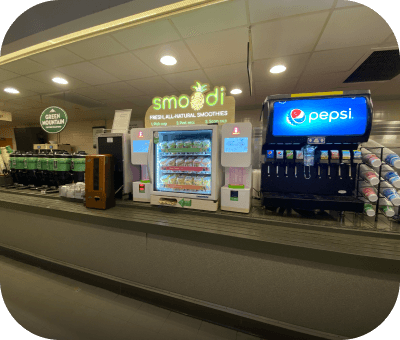
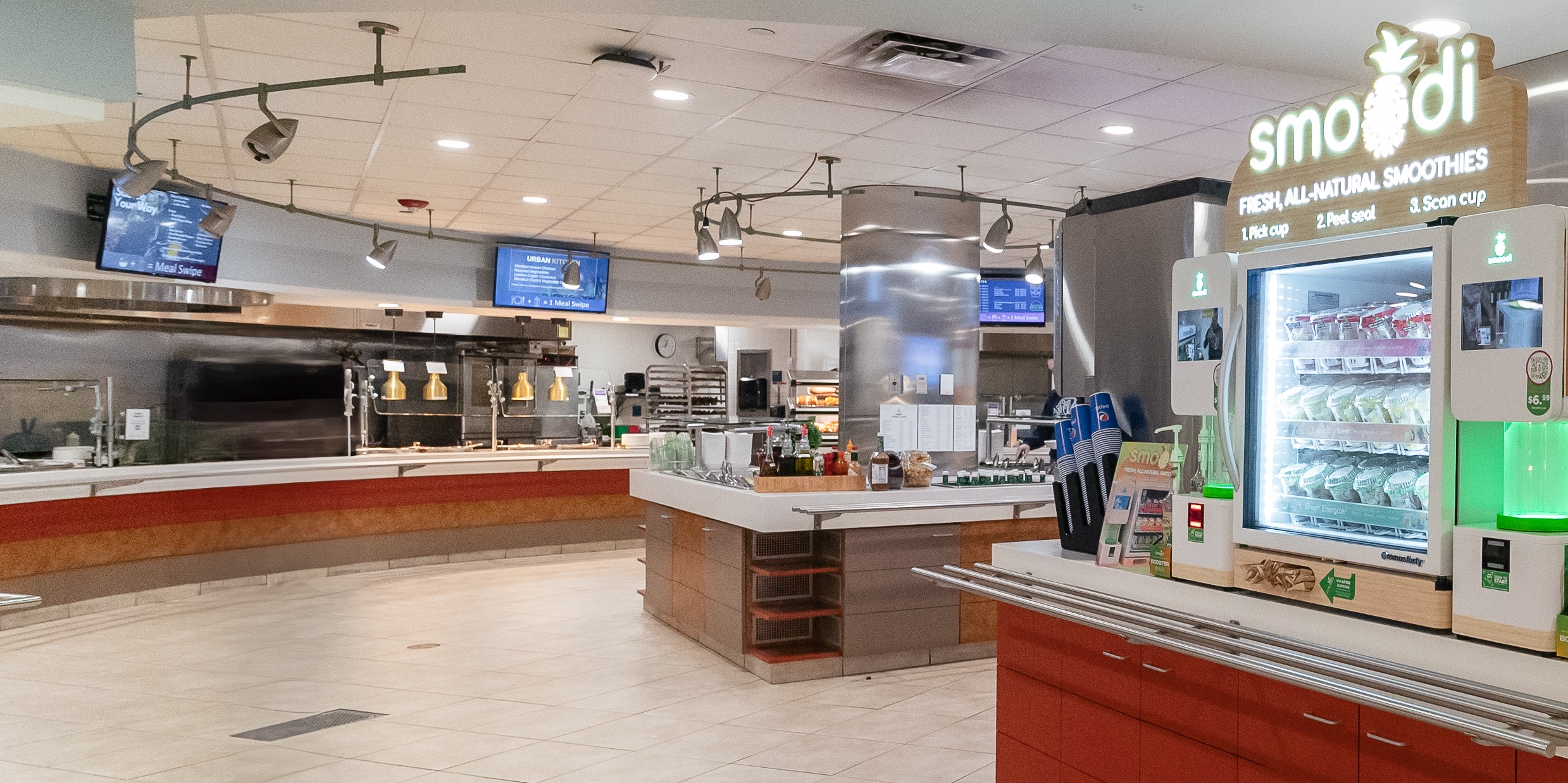
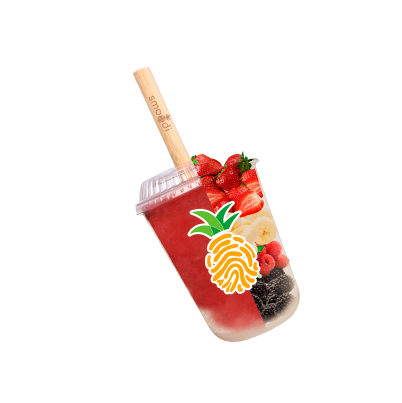
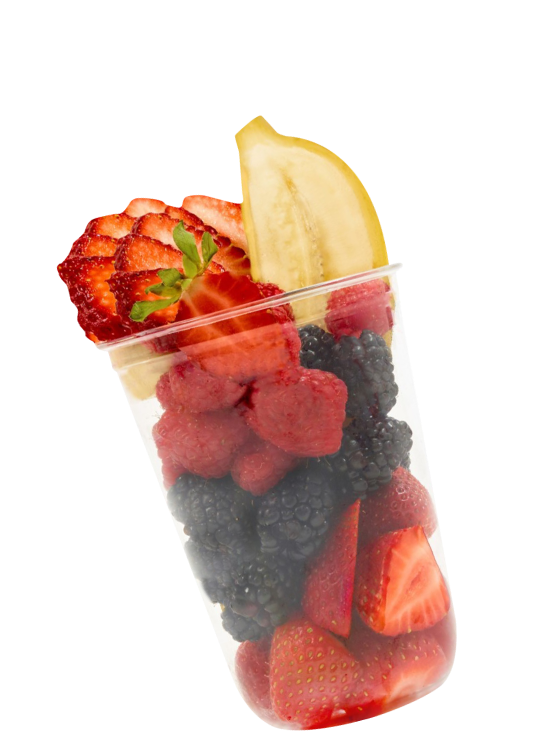
Smoodi's automated smoothie machine produces what may be the shortest, cleanest ingredient list in the commercial beverage equipment category. Every smoothie is blended from two ingredients: IQF (individually quick frozen) real fruit cups and water. That is the complete ingredient list. No syrups, no concentrates, no artificial colorings, no artificial sweeteners, no preservatives, no flavor additives. The color of each smoothie comes entirely from the fruit itself.
"As an office leader, I'm always looking for ways to support my team's health and productivity. smoodi's variety of healthy options are a game-changer."
— Karen Hood, Manager, ZS
The booster bar offers protein powder, collagen, and other functional supplements with transparent ingredient lists that customers add according to their own preferences. Even with boosters added, the ingredient profile remains clean and recognizable. The machine blends a fresh smoothie in under 60 seconds and self-cleans between every use. The compact design requires approximately 40 inches of floor space.
IQF fruit cups have a shelf life of up to two years. The individually quick frozen process preserves the fruit at peak ripeness without requiring preservatives, added sugars, or any processing aids. Distribution is through Dot Foods, the largest foodservice redistributor in the United States. Smoodi operates in more than 300 locations across the United States, with over 2 million smoothies served. The company was founded at Harvard Innovation Labs. The operational lease starts at $299 per month for a 48-month term, with a purchase option at $14,999.
Operators building a clean label beverage program can start with a two-ingredient foundation: fruit and water. Explore Smoodi at getsmoodi.com/get-started.
Ready to bring Smoodi to your location?
Join hundreds of operators delivering fresh, automated smoothies with zero labor.
Get Started