How Is the Collagen Beverage Boom Creating Opportunity?
The collagen infused beverages market is valued at $2.8 billion in 2026, projected to reach $5.3 billion by 2035. Foodservice operators who add collagen to their beverage programs are capturing a fast-growing consumer demand.
The collagen infused beverages market is valued at $2.8 billion in 2026 and projected to reach $5.3 billion by 2035, growing at a 7.3 percent compound annual growth rate. Collagen mentions in beverages are up 81 percent year over year according to Tastewise. The broader collagen supplement market stands at $12.7 billion, with food and beverage as the fastest-growing segment at 11.2 percent annual growth. For foodservice operators, food and beverage directors, and wellness facility managers, these numbers represent a revenue opportunity that is moving from retail shelves into on-premise beverage programs.
Why Is Collagen Demand Growing So Fast?
Collagen is the most abundant protein in the human body. It provides structural support for skin, joints, bones, and connective tissue. After age 25, the body's natural collagen production declines by approximately one percent per year, accelerating after age 40. This biological reality has created a consumer market built on the promise of supplementing what the body no longer produces in sufficient quantities.
Consumer interest in collagen has expanded well beyond the beauty and skincare market where it originated. Today, collagen consumers cite joint health, post-exercise recovery, gut health, bone density, and overall wellness as primary motivations. The demographic has broadened too. While women aged 30 to 55 remain the core collagen consumer, men interested in joint support and athletes focused on recovery are driving growth in new segments.
The delivery format preference has shifted decisively toward beverages. Consumers who once purchased collagen as pills or powders now prefer beverages that incorporate collagen into something they already want to consume: a smoothie, a coffee, a functional drink. The beverage format offers convenience (no separate supplement routine), enjoyment (it tastes good), and social acceptability (drinking a smoothie is more appealing than swallowing pills in a cafeteria).
What Does the Collagen Opportunity Look Like for Operators?
For foodservice operators, the collagen opportunity is a revenue upsell that requires minimal operational change. Collagen is not a new menu item. It is an add-on to existing beverage programs. The economics are straightforward: a collagen booster added to a smoothie or coffee costs the operator pennies per serving while commanding a premium price point from the consumer. In retail settings, collagen-enhanced beverages typically sell for $1 to $3 more than their standard equivalents.
The operational challenge has historically been portioning and staff training. A staffed smoothie bar adding collagen must train employees on proper portioning, storage, and ingredient handling. Staff must know which collagen products are compatible with which beverages, how much to add, and how to communicate the benefits to customers. In an industry where labor recruitment is the number one operator challenge (33 percent of operators cite it as their top concern), adding another responsibility to staff workloads is a nonstarter for many locations.
Self-service models solve this problem. When the customer selects their own booster from a clearly labeled station, the operator eliminates the training requirement, the portioning labor, and the potential for inconsistent preparation. The customer gets the customization they want. The operator captures the premium without adding headcount.
Which Venues Are Best Positioned for Collagen Beverages?
The collagen beverage opportunity is not uniform across all foodservice settings. Some venues have a natural alignment with collagen consumer demographics and purchase occasions.
- Fitness facilities and gyms attract consumers already focused on recovery, joint health, and protein intake. The post-workout smoothie is an established purchase occasion, and adding collagen fits seamlessly into the existing behavior pattern.
- Corporate offices and coworking spaces serve a wellness-oriented professional demographic. Collagen in a morning smoothie or afternoon beverage aligns with the corporate wellness programs that 78 percent of employers now offer.
- Hotels and resorts serve guests who are often in a self-care mindset. A collagen smoothie at the pool, spa, or fitness center reinforces the wellness positioning that drives premium room rates.
- Senior living communities serve a population with acute joint health and bone density needs. Collagen is not a luxury in this setting; it is a functional nutrition component that aligns with clinical dietary goals.
- University campuses serve a health-conscious Gen Z population. Clean ingredients interest is up 40 percent year over year among college students, and high-protein meals are the number one dining preference at 28 percent according to Chartwells 2026 data.
How Do Consumers Evaluate Collagen Beverage Quality?
Consumer sophistication around collagen has increased significantly. Early collagen consumers accepted any product with 'collagen' on the label. Today's consumers evaluate collagen beverages on several criteria that operators should understand.
First, the base matters. A collagen beverage made with real, recognizable ingredients commands more trust than one made with syrups, concentrates, or artificial flavors. Consumers who invest in collagen for health reasons are the same consumers who read ingredient lists and reject products with long lists of unrecognizable additives. A smoothie made from real fruit and water with a collagen booster has a two-ingredient base plus the supplement. That level of ingredient transparency is increasingly rare in commercial beverage programs.
Second, the delivery experience matters. A collagen beverage that is freshly prepared on demand is perceived as higher quality than a pre-mixed, shelf-stable bottle. The visual experience of watching a smoothie blend from real fruit reinforces the freshness narrative that collagen consumers value. Third, customization matters. Consumers want to choose whether to add collagen, how much protein to include, and which flavor base to pair with their boosters. A program that offers choice captures more of the market than one that offers a single pre-formulated product.
What Is the Revenue Impact of Adding Collagen to a Beverage Program?
The revenue impact of adding collagen to an existing beverage program is disproportionate to the operational cost. Collagen boosters typically cost $0.25 to $0.75 per serving at wholesale, depending on the source and quality. Operators can charge $1.50 to $3.00 per booster addition, creating a margin multiplier that enhances the profitability of every smoothie or beverage sold with a booster.
Beyond the direct per-serving upsell, collagen availability drives incremental traffic. Consumers specifically seeking collagen beverages will choose a location that offers them over one that does not. In a gym setting, a smoothie station with a collagen option may influence membership decisions. In a hotel, it enhances the wellness perception that drives booking preference. In a corporate office, it adds to the wellness perks that improve employee retention and satisfaction.
How Does Smoodi Deliver the Collagen Beverage Opportunity?
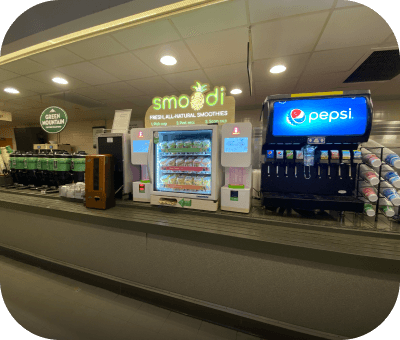
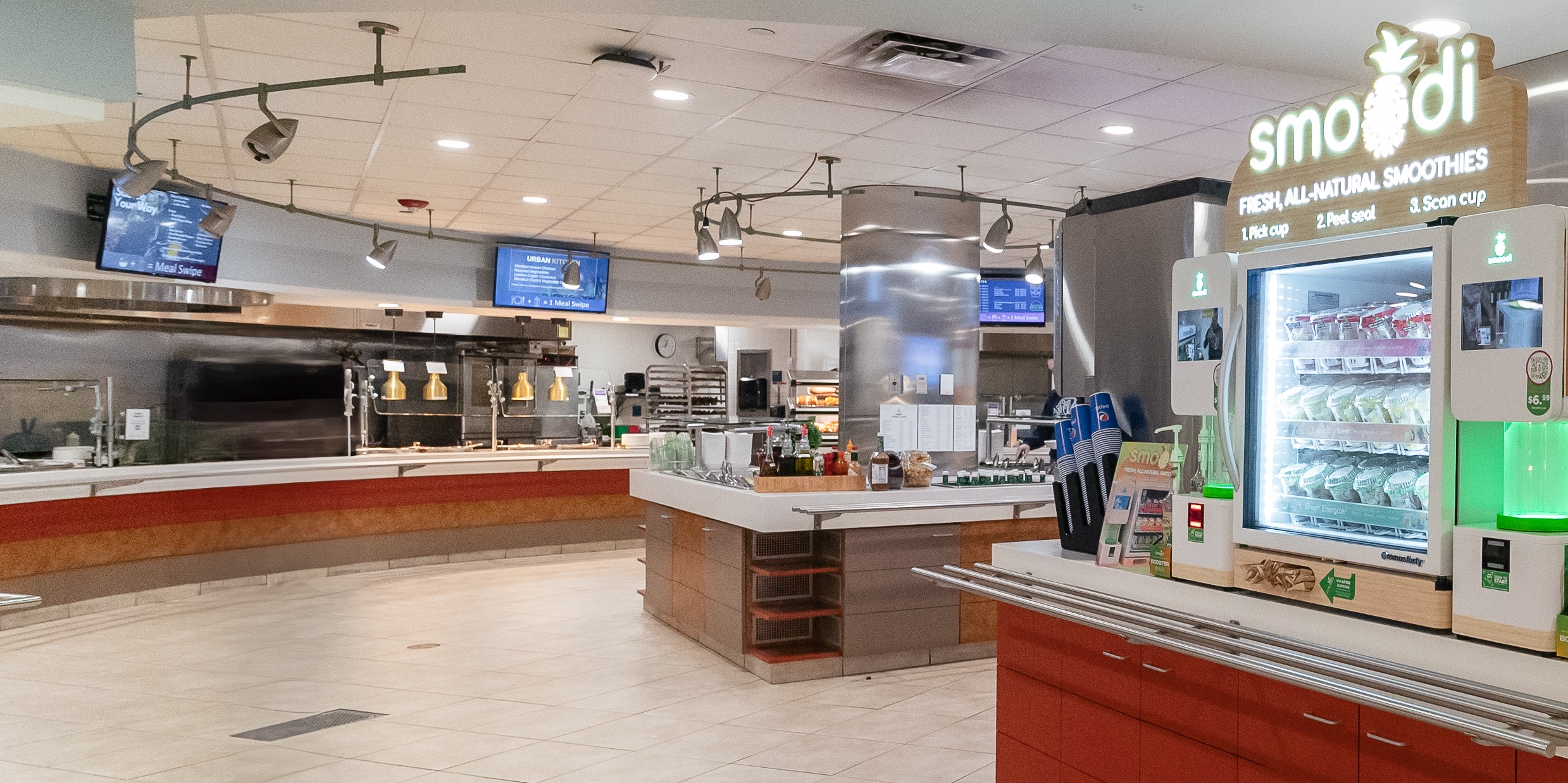
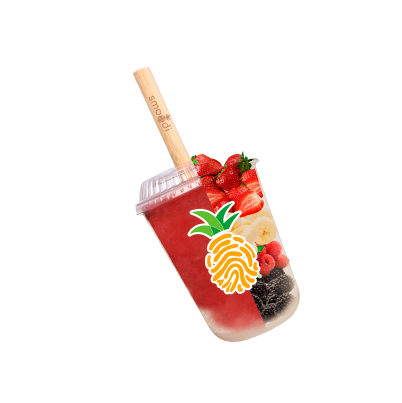
Smoodi's automated smoothie machine with integrated booster bar delivers the collagen beverage opportunity with zero incremental labor. Each smoothie starts with IQF (individually quick frozen) real fruit cups blended with water only, creating a clean-label base with zero syrups, concentrates, or artificial ingredients. The booster bar offers collagen alongside protein powder and other functional supplements, allowing every customer to customize their beverage.
"smoodi is hands down the number one perk at our headquarters. Fresh, healthy, and zero effort on our end."
— Katherine Berman, Workplace Experience Manager, Toast
The self-service format means customers add their own boosters without staff involvement. No portioning labor, no training requirement, no inconsistent preparation. The machine blends a fresh smoothie in under 60 seconds and self-cleans between every use. The compact design requires approximately 40 inches of floor space. IQF fruit cups have a shelf life of up to two years and are distributed through Dot Foods.
Smoodi operates in more than 300 locations across the United States, with over 2 million smoothies served. The company was founded at Harvard Innovation Labs. The operational lease starts at $299 per month for a 48-month term, with a purchase option at $14,999. Operators who want to capture the $2.8 billion collagen beverage market can explore options at getsmoodi.com/get-started.
Ready to bring Smoodi to your location?
Join hundreds of operators delivering fresh, automated smoothies with zero labor.
Get Started