What Are Functional Smoothie Boosters for Operators?
The functional beverage market is surging, with collagen beverages projected to reach $5.3 billion by 2035. Operators are adding protein, collagen, and functional supplement boosters to smoothie stations as a zero-labor revenue uplift.
The smoothie is no longer just a fruit drink. Consumer demand has shifted decisively toward functional beverages: drinks that deliver specific health benefits beyond basic nutrition. Protein for muscle recovery. Collagen for skin and joint health. Adaptogens for stress management. Probiotics for digestive wellness. The global collagen-infused beverage market is projected to reach $5.3 billion by 2035, growing at a 7.3% compound annual growth rate. Adaptogen beverages are growing even faster at 16.9% CAGR.
For foodservice operators, this shift creates a clear opportunity: consumers are willing to pay more for a smoothie that delivers functional benefits. But capturing this demand through a traditional staffed smoothie bar means training employees on supplement types, managing additional inventory, and ensuring consistent dosing. Most operators look at the complexity and decide it is not worth the effort. An automated smoothie station with an integrated booster bar changes that equation entirely.
What Are Functional Smoothie Boosters?
Functional smoothie boosters are nutritional supplements added to a base smoothie to target specific health goals. They transform a standard fruit smoothie from a refreshing beverage into a purpose-built nutritional tool. The most common categories include protein powders (whey-based and plant-based), collagen peptides (Types I, II, and III, each targeting different benefits), adaptogenic herbs and mushroom extracts, vitamin and mineral blends, and probiotic or prebiotic supplements.
Each booster category appeals to a different consumer motivation. Gym members and athletes want protein for muscle recovery. Health-conscious professionals want collagen for skin and joint maintenance. Wellness-focused consumers want adaptogens for stress and energy balance. This diversity of motivation means a single smoothie station with multiple booster options can serve a wide range of customer segments simultaneously.
Why Are Consumers Demanding Functional Beverages?
The consumer shift toward functional beverages is driven by several converging trends. Health awareness has increased across all demographics, with consumers increasingly viewing food and beverages as tools for proactive wellness rather than just sustenance. The sports nutrition market, once limited to bodybuilders and competitive athletes, has expanded to include casual exercisers, aging adults seeking to maintain muscle mass, and office workers looking for afternoon energy without caffeine crashes.
Collagen has moved from a niche supplement category to a mainstream consumer product. Social media and wellness influencers have driven awareness of collagen's role in skin elasticity, joint mobility, and bone density. The $5.3 billion projection for collagen-infused beverages by 2035 reflects not speculative growth but documented consumer purchasing patterns that are already well established.
Protein demand continues to accelerate as well. The global protein beverage market is projected to reach $10.7 billion by 2034. Consumers across age groups are seeking convenient protein sources that integrate into their daily routines. A protein-boosted smoothie consumed after a workout, during a work break, or as a meal supplement provides exactly this convenience.
How Does Smoodi's Booster Bar Work for Operators?
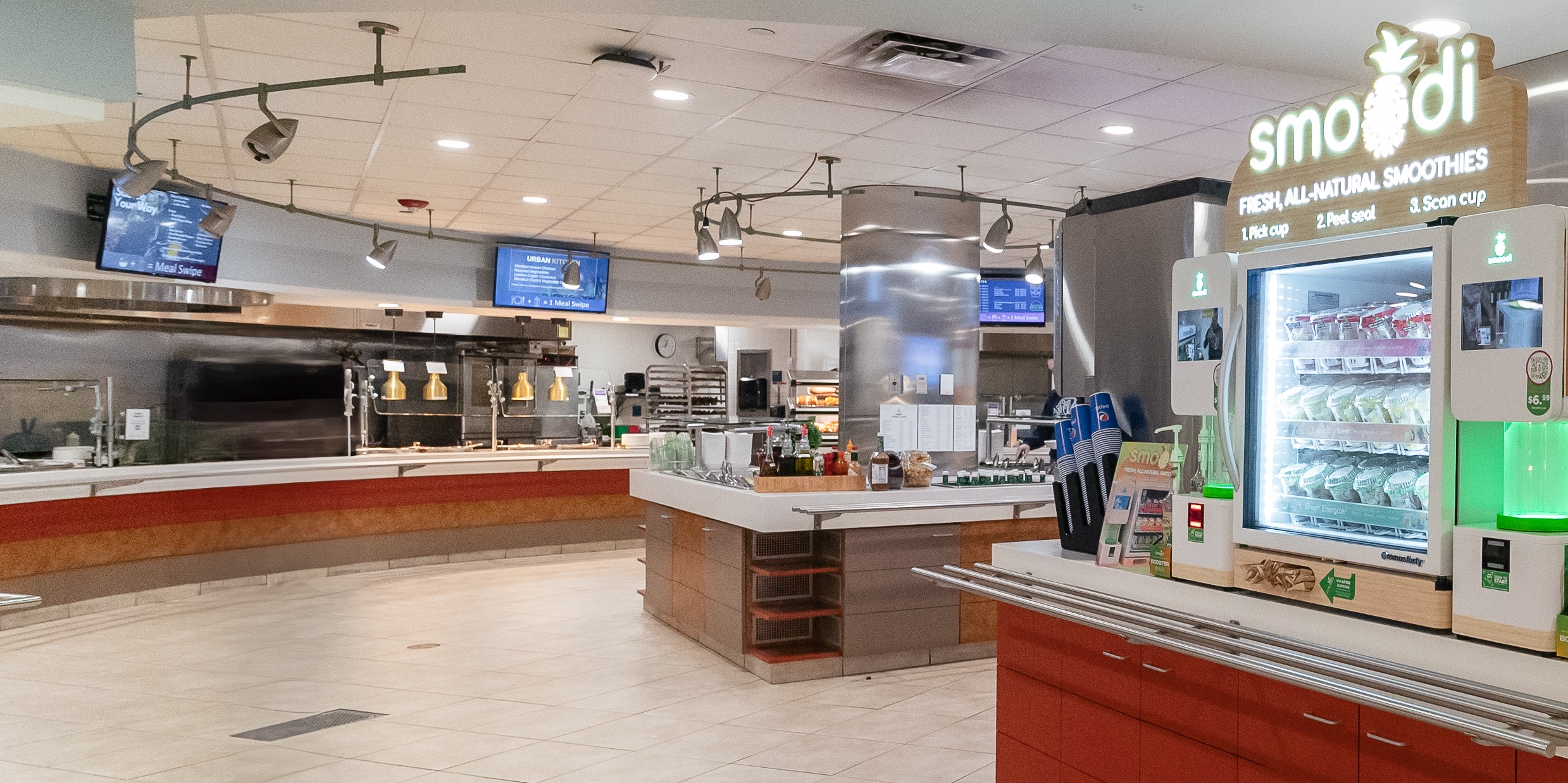
Smoodi's booster bar is built into the machine's ordering workflow. When a customer selects their smoothie flavor on the touchscreen, they are presented with available booster options: protein powder, collagen, and other functional supplements. The customer adds their desired booster, and the supplement is incorporated into the blending cycle. The machine handles the entire process automatically, including the self-cleaning cycle that follows.
For operators, this means offering functional beverages requires zero additional labor, zero additional equipment, and zero additional training. The booster bar is part of the existing machine. There is no separate blender station, no supplement mixing station, and no employee standing behind a counter measuring scoops of protein powder. The complexity that normally prevents operators from offering functional options is eliminated entirely.
This is a meaningful distinction from staffed smoothie bars where adding boosters means training employees on supplement types, proper dosing, allergen awareness, and storage requirements. Every new booster option adds training time and error potential. With an automated system, the dosing is pre-calibrated and consistent every time.
What Revenue Uplift Can Operators Expect from Boosters?
The economics of booster add-ons are straightforward and compelling. Most operators charge $1.00 to $2.00 per booster on top of the base smoothie price. If the base smoothie retails for $6.00 and 40% of customers add a protein or collagen booster at $1.50, the effective average revenue per smoothie increases from $6.00 to $6.60. On a location processing 25 smoothies per day, that is an additional $450 per month in revenue from boosters alone.
The margin on boosters is particularly attractive because the incremental cost of the supplement is low relative to the retail markup. The booster does not require additional labor, additional equipment time, or additional cleaning. It is pure incremental revenue layered on top of an existing transaction. For operators already running a Smoodi station, activating the booster bar is the highest-ROI addition available.
Which Environments Benefit Most from Functional Boosters?
- Fitness centers and gyms, where members actively seek post-workout protein and recovery supplements
- Corporate offices, where employees value convenient, health-forward afternoon beverages with functional benefits
- University campuses, where students are increasingly aware of protein, collagen, and wellness supplement trends
- Hospitals and healthcare facilities, where protein supplementation supports patient recovery and staff wellness
- Senior living communities, where collagen for joint health and protein for muscle maintenance are clinical priorities
- Hotels and hospitality venues, where wellness-oriented guests expect functional beverage options
How Do Boosters Fit the Broader Functional Beverage Trend?
The functional beverage category extends well beyond smoothies, encompassing enhanced waters, adaptogenic teas, nootropic coffees, and probiotic sodas. What connects all of these products is the consumer expectation that a beverage should do something beyond quench thirst. It should deliver a measurable health benefit.
For foodservice operators, this trend is not optional. Consumer expectations are shifting, and locations that offer only basic beverages (coffee, soda, juice) are increasingly perceived as behind the curve. Adding a smoothie station with functional boosters positions a location at the forefront of the beverage trend without requiring the operator to become a supplement expert or build a dedicated wellness beverage program from scratch.
What Should Operators Know About Getting Started?
Smoodi's machine blends IQF (individually quick frozen) fruit cups with water only, producing a fresh, whole-fruit smoothie in under 60 seconds. The machine self-cleans between every use. No syrups, concentrates, or artificial ingredients are used. The fruit cups have a shelf life of up to two years and are distributed through Dot Foods.
The operational lease starts at $299 per month for a 48-month term, with shorter terms available at $349 (36 months), $399 (24 months), and $499 (12 months). For operators who prefer ownership, purchase pricing starts at $14,999. The machine requires approximately 40 inches of floor space, a standard 120 VAC outlet, a push-to-connect water inlet, a sanitizer inlet, and a drain connection.
"As an office leader, I'm always looking for ways to support my team's health and productivity. smoodi's variety of healthy options are a game-changer."
— Karen Hood, Manager, ZS
Smoodi was founded at Harvard Innovation Labs and now operates in more than 300 locations across the United States, with over 2 million smoothies served. The booster bar is a built-in feature of the Smoodi platform, not an add-on or aftermarket modification. Every machine is booster-ready from day one.
To learn how functional smoothie boosters can enhance your beverage program, visit getsmoodi.com/get-started.
Ready to bring Smoodi to your location?
Join hundreds of operators delivering fresh, automated smoothies with zero labor.
Get Started