Why Is Mid-Afternoon the Biggest Missed Revenue Window?
The 2:00 to 4:30 PM daypart is underserved across foodservice. Self-service stations capture mid-afternoon demand with zero incremental labor cost.
Foodservice operators invest heavily in breakfast and lunch. They plan menus, schedule staff, source ingredients, and market promotions around the morning and midday dayparts. Then, around 2:00 PM, the kitchen winds down, the staff rotates out, and the operation goes quiet until the next shift. Meanwhile, consumers are actively looking for something to eat or drink. The mid-afternoon window from 2:00 to 4:30 PM represents one of the largest untapped revenue opportunities in foodservice, and most operators are leaving it on the table because their current model cannot serve it profitably.
What Makes Mid-Afternoon a Distinct Daypart?
NielsenIQ 2026 research identifies mid-afternoon as a key drinking moment for 40 percent of consumers. This is not a marginal segment. Four out of ten consumers are actively seeking a beverage between lunch and dinner, yet most foodservice operations are either closed, understaffed, or offering only pre-packaged options during this window.
The National Restaurant Association's 2026 industry data confirms a broader shift: between-meal snacking has overtaken traditional meal occasions as a driver of foodservice visits. Consumers are not necessarily hungry for a full meal at 3:00 PM, but they want something. A smoothie, a protein shake, a functional beverage. Something that provides energy, satisfies a craving, and fits into a five-minute break from work, class, or errands.
Fooda's 2026 workplace research adds another dimension: 51 percent of employees skip lunch at least once a week. These employees arrive at mid-afternoon without having eaten since breakfast. Their need for nutrition at 2:30 or 3:00 PM is not a snacking impulse; it is a delayed meal occasion. For operators who can serve this need, the revenue opportunity is significant.
Why Do Most Operators Miss This Window?
The economics of traditional foodservice make mid-afternoon service difficult. The core problem is labor. A staffed kitchen or service counter requires employees on shift, and labor costs during a low-volume period erode margins quickly. Most operators run their labor model around the breakfast rush (7:00 to 9:00 AM) and the lunch peak (11:30 AM to 1:30 PM). Extending staffed service to cover 2:00 to 4:30 PM means either holding the lunch crew for an additional two to three hours (increasing payroll) or scheduling a separate afternoon shift (adding scheduling complexity and minimum-hour commitments).
Neither option is financially attractive when afternoon traffic is lower than peak periods. The result is a predictable pattern: operators close the kitchen after lunch, switch to pre-packaged grab-and-go items, or simply accept that the afternoon is a dead zone. Consumers who want fresh, made-to-order products during this window go elsewhere or go without.
Vending machines partially address the gap but with significant limitations. Traditional vending offers packaged snacks, bottled beverages, and candy. The products do not meet the growing consumer preference for fresh, whole-ingredient, functional options. A vending machine stocked with chips and sodas does not capture the consumer who wants a protein smoothie or a clean-ingredient snack.
What Does Mid-Afternoon Demand Actually Look Like?
The mid-afternoon consumer falls into several distinct profiles, each with different motivations but a shared need for quick, accessible, health-conscious options.
- The energy-dip worker: an office employee or campus worker who hits the 2:30 PM slump and needs sustained energy without the crash that comes from sugary snacks or caffeine
- The skipped-lunch professional: one of the 51 percent who did not eat lunch and arrives at mid-afternoon genuinely hungry, seeking a nutritious option that can substitute for a missed meal
- The post-workout athlete: a gym member or student who finishes an afternoon workout and needs protein and recovery nutrition within 30 minutes of exercise
- The between-class student: a college student with a gap between afternoon classes who wants a quick, healthy option from a convenient location on or near campus
- The afternoon break parent: a parent running errands or working from home who wants a healthy option during the school pickup window
Each of these consumers represents real revenue. Collectively, they create a demand curve that peaks between 2:00 and 4:00 PM and sustains through 4:30 PM. Operators who capture even a fraction of this demand add a meaningful revenue stream without cannibalizing breakfast or lunch sales.
How Does Self-Service Capture Mid-Afternoon Revenue?
The solution to mid-afternoon revenue capture is an automated, self-service model that operates continuously without incremental labor. If the cost of serving an afternoon customer is limited to the cost of goods (with no labor layered on top), the margin math works even at lower traffic volumes.
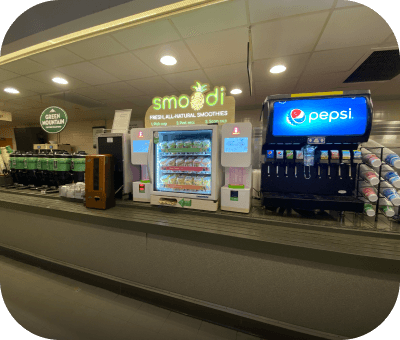
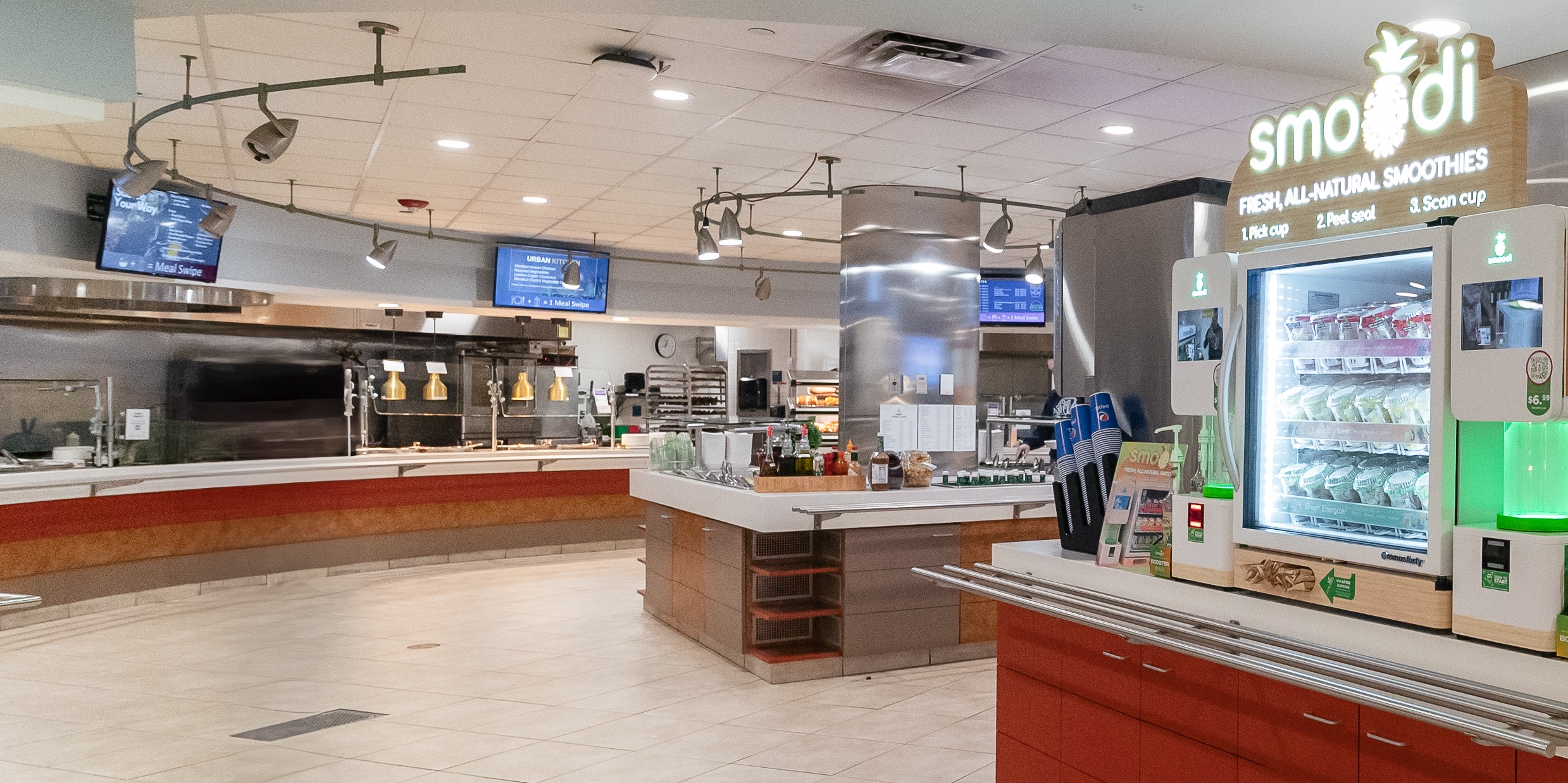
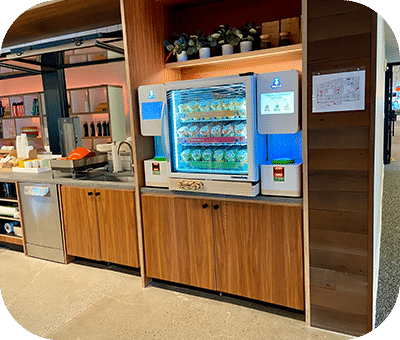
Smoodi's automated smoothie machine operates 24/7 with zero staff required. The machine blends a fresh, whole-fruit smoothie in under 60 seconds and self-cleans between every use. It occupies approximately 40 inches of floor space, fitting into a break room, a lobby, a fitness center entrance, or a campus common area. For operators who have already invested in the location and the foot traffic, adding a self-service smoothie station extends revenue capture into a daypart that was previously unserved.
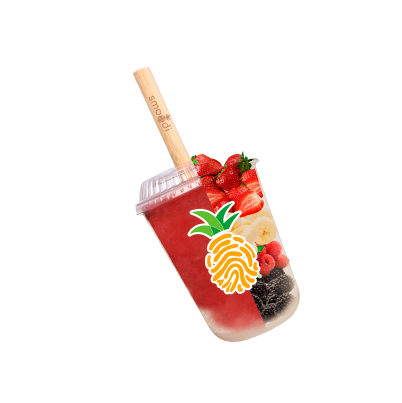
IQF (individually quick frozen) fruit cups are blended with water only. No syrups, concentrates, or artificial ingredients. The booster bar offers protein powder, collagen, and functional supplements. Cups have a shelf life of up to two years and are distributed through Dot Foods. Because the product is frozen and shelf-stable, there is no afternoon spoilage risk. The cups that are not sold today are available tomorrow, next week, or next month with no quality degradation.
"smoodi is hands down the number one perk at our headquarters. Fresh, healthy, and zero effort on our end."
— Katherine Berman, Workplace Experience Manager, Toast
What Is the Revenue Impact?
Consider a location that currently generates zero revenue between 2:00 and 4:30 PM because the kitchen is closed. A self-service smoothie station that serves 15 to 25 smoothies during this window at $5 to $7 per unit generates $75 to $175 in daily afternoon revenue. Over a 22-day business month, that translates to $1,650 to $3,850 in monthly revenue from a daypart that was previously producing nothing.
The cost side is equally favorable. Smoodi's operational lease starts at $299 per month for a 48-month term, scaling to $499 per month for a 12-month term. The purchase option is $14,999. With zero labor cost per serving, the margin on each smoothie is the selling price minus the cup cost and a prorated share of the lease. For most operators, the mid-afternoon daypart alone can cover the lease cost, making the breakfast and lunch usage pure incremental margin.
Which Verticals Benefit Most?
The mid-afternoon opportunity exists across every foodservice vertical, but several segments are particularly well-positioned to capture it.
- Corporate offices and coworking spaces: employees who skip lunch or need an afternoon energy boost represent a concentrated, recurring customer base
- College and university campuses: students move between afternoon classes, study sessions, and workouts, creating sustained foot traffic from 2:00 to 5:00 PM
- Fitness centers and recreation facilities: afternoon workout sessions peak between 3:00 and 6:00 PM, and post-workout nutrition is an immediate, high-intent purchase occasion
- Healthcare facilities: staff shift changes and visitor traffic create mid-afternoon demand in hospital lobbies and cafeterias
- Hotels and hospitality: guests returning from afternoon activities seek a refreshment option that goes beyond the minibar
Smoodi operates in more than 300 locations across the United States, with over 2 million smoothies served. The company was founded at Harvard Innovation Labs. For operators looking to capture revenue from the mid-afternoon daypart without adding labor or complexity, a self-service smoothie station is the most direct path. Installation requires a standard 120 VAC outlet, water connection, sanitizer inlet, and drain.
Foodservice operators, facilities managers, and business owners interested in adding mid-afternoon revenue can explore deployment options at getsmoodi.com/get-started.
Ready to bring Smoodi to your location?
Join hundreds of operators delivering fresh, automated smoothies with zero labor.
Get Started