How Are Sports Complexes Adding Nutrition Programs?
Multi-sport training complexes host thousands of athletes and families daily. Adding a nutrition program that serves pre- and post-workout fuel without dedicated food prep staff is a growing priority for facility operators.
Multi-sport training complexes and athletic facilities are a distinct category in the foodservice landscape. Unlike traditional gyms focused on individual fitness or stadiums built around spectator events, training complexes host youth sports tournaments, club team practices, adult leagues, fitness classes, and sports camps. They attract thousands of athletes and families daily, with typical dwell times of two to four hours per visit.
The nutrition opportunity at these facilities is significant. Athletes need pre- and post-workout fuel. Parents want healthy options for their children between tournament games. Coaches and trainers recommend protein and fruit intake for recovery. Yet most training complexes offer only vending machines, a basic concession stand with hot dogs and nachos, or nothing at all. The gap between what athletes need and what the facility provides is a missed revenue opportunity and a missed chance to enhance the overall experience.
What Makes Sports Complexes Different from Gyms?
The difference between a sports training complex and a traditional gym matters for food and beverage planning. A gym serves individual members who arrive for a 45- to 90-minute workout and leave. A training complex serves groups: a travel soccer team of 20 players plus parents, a basketball tournament with 16 teams across a weekend, a summer camp with 200 kids for eight hours a day.
This group dynamic creates concentrated food demand at unpredictable intervals. Between tournament games, 40 to 60 people suddenly need food and drinks at the same time. During practice blocks, demand drops to near zero. Traditional staffed food operations struggle with this pattern because labor costs remain constant whether serving 5 customers or 50 in a given hour.
Why Is Tournament-Driven Demand So Hard to Staff?
Tournament weekends are the highest-revenue days for most training complexes. They are also the hardest to staff. Weekend food service positions are difficult to fill, seasonal tournament schedules create inconsistent hours, and the burst pattern (heavy demand between games, idle time during play) means either overstaffing during slow periods or long lines during peak windows.
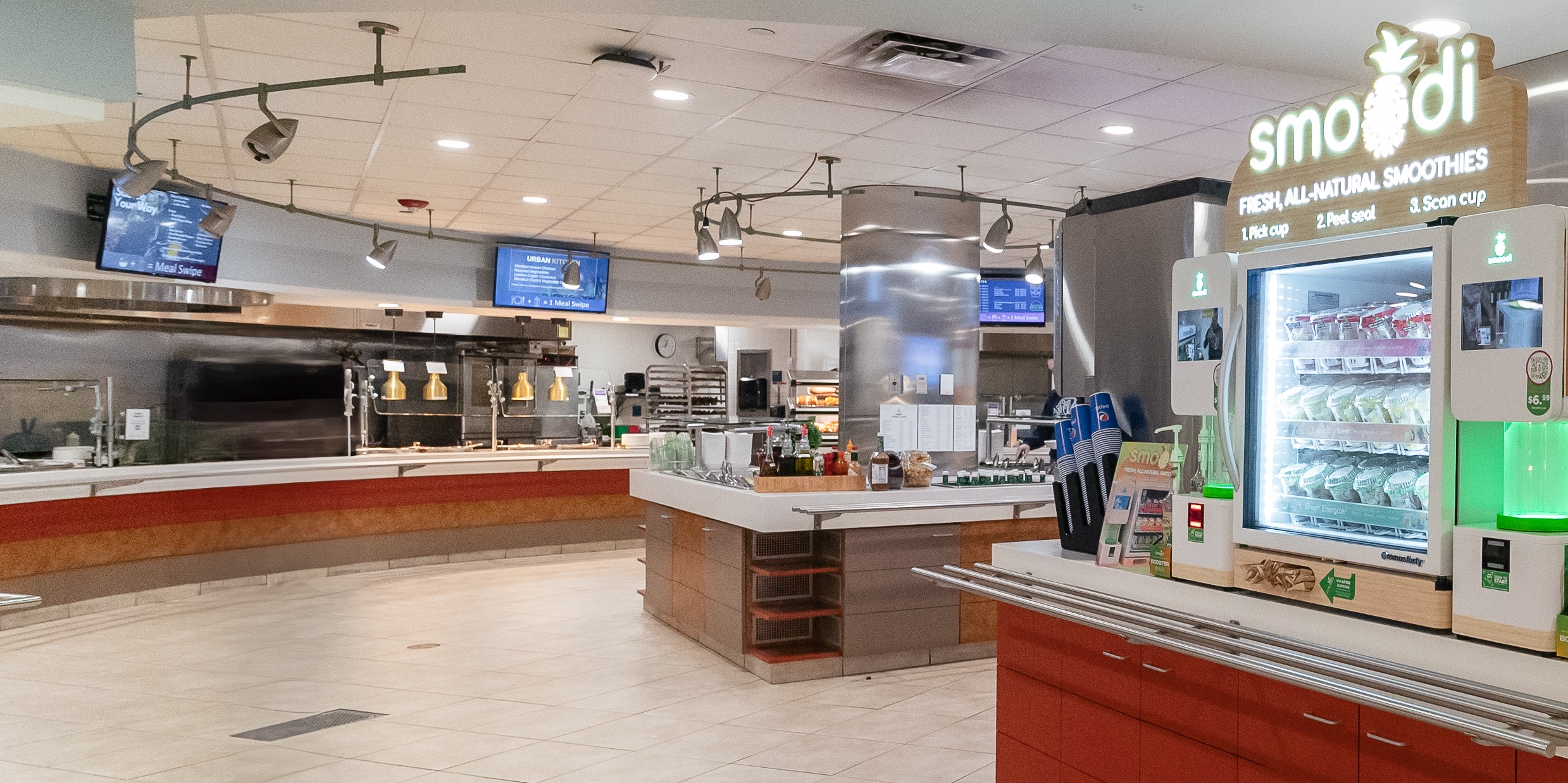
An automated smoothie station addresses this directly. The machine operates continuously without staff. It serves each customer in under 60 seconds and self-cleans between every use. During a tournament peak, it processes a steady stream of orders without any queue management, shift scheduling, or overtime costs. During slow periods, it sits ready with zero idle labor expense. Multiple machines can be installed side by side to scale throughput for large tournament events.
"We were looking for quick, healthy options for our customers and smoodi ticked all the boxes. It's quick, self-service, and does the job. The feedback has been great - the lines say it all."
— Jim Launer, President, Spooky Nook Sports
What Nutrition Do Athletes Actually Need at Training Facilities?
Sports nutrition science is clear on what athletes need before and after training. Pre-workout nutrition should include easily digestible carbohydrates for energy, ideally consumed 30 to 60 minutes before activity. Post-workout recovery benefits from a combination of carbohydrates to replenish glycogen stores and protein to support muscle repair, consumed within 30 to 45 minutes after exercise.
A whole-fruit smoothie with optional protein boosters delivers exactly this profile. Smoodi's IQF fruit cups provide natural carbohydrates from real fruit, blended with water only, with no syrups, concentrates, or artificial ingredients. The booster bar adds protein powder, collagen, and other functional supplements for athletes who want a recovery-focused option. This is the same nutritional approach recommended by sports dietitians, delivered in a format that takes under 60 seconds.
How Does the Youth Sports Market Create Opportunity?
Youth sports is a massive market in the United States. Families spend significant amounts annually on travel sports, tournaments, and training programs. Parents who invest in their children's athletic development are also invested in their nutrition. They are actively looking for healthy food options at facilities and are willing to pay a premium for quality.
A smoothie station positioned near the court entrance, locker room, or spectator seating captures this demand. Parents can grab a smoothie for a child between games. Teenage athletes can fuel their own recovery without waiting in a concession line. The visual appeal of watching a smoothie blend in real time creates a natural draw, especially for younger athletes who treat the experience as part of the post-game routine.
What Are the Economics for Complex Operators?
Smoodi's operational lease starts at $299 per month for a 48-month term, with shorter terms available at higher monthly rates. Operators pay the lease plus ingredient costs (IQF fruit cups through Dot Foods distribution), then keep the margin on every smoothie sold. The machine occupies approximately 40 inches of floor space, requires a standard 120 VAC outlet, a water inlet, a sanitizer inlet, and a drain connection.
For a high-volume training complex hosting tournaments on weekends, the revenue potential is substantial. At a retail price of $6.00 to $8.00 per smoothie with protein booster add-ons at $1.00 to $2.00, a single machine processing 30 to 40 smoothies on a tournament day generates meaningful daily revenue. During weekday practice hours, even 10 to 15 smoothies per day maintains positive margins against the fixed lease cost.
For operators who prefer ownership, purchase pricing starts at $14,999. Smoodi was founded at Harvard Innovation Labs and operates in more than 300 locations across the United States, including Spooky Nook Sports, the largest indoor sports complex in North America.
Where Should Smoothie Stations Be Placed in a Complex?
- Near the main entrance or lobby where athletes and families pass on arrival and departure
- Adjacent to court or field exits where athletes finish games and seek immediate recovery nutrition
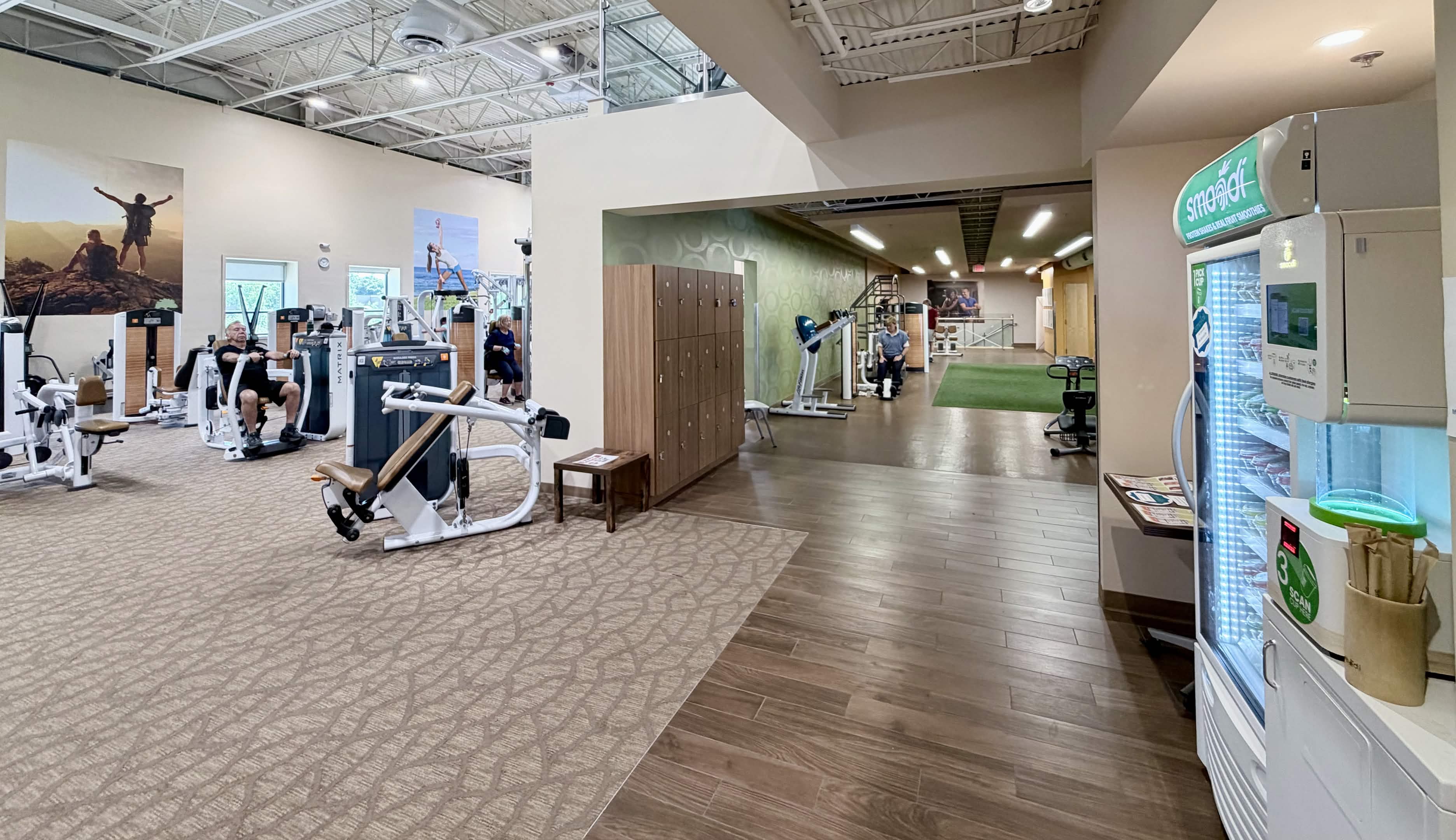
- In or near the fitness center or weight room where individual training sessions take place
- Near spectator seating areas where parents and family members spend extended periods
- In the pro shop or retail area where families browse between events
Placement near high-traffic transition points maximizes visibility and captures the natural flow of athletes moving between activities. The compact 40-inch footprint means the station fits in hallways, lobbies, and concourse areas without disrupting foot traffic.
How Does This Connect to the Facility's Brand?
Training complexes that position themselves as complete athletic development environments benefit from offering nutrition alongside training. A facility that provides coaching, conditioning, and recovery nutrition under one roof delivers a more compelling value proposition to families choosing between competing programs. The smoothie station becomes part of the brand story: this is a facility that takes athlete wellness seriously at every level.
Over 2 million smoothies have been served through Smoodi machines nationwide, with zero syrups, zero concentrates, and zero artificial ingredients in every cup. The fruit cups have a shelf life of up to two years, which is particularly valuable for seasonal sports complexes that see attendance fluctuate with school schedules and tournament calendars.
To explore how a nutrition station fits your sports facility, visit getsmoodi.com/get-started. To calculate projected returns based on your traffic patterns, visit getsmoodi.com/roi.
Ready to bring Smoodi to your location?
Join hundreds of operators delivering fresh, automated smoothies with zero labor.
Get Started