How Will USDA's 2027 Sugar Limits Reshape Menus?
The USDA is implementing the most significant nutrition standard changes for school meals in over a decade. The SY2027-28 added sugar cap will require school nutrition directors to reformulate entire weekly menus, and the compliance timeline is approaching fast.
The United States Department of Agriculture is implementing the most significant nutrition standard changes for school meals in over a decade. The phased approach began in school year 2025-26 with limits on added sugar in cereals, yogurt, and flavored milk. But the far more consequential phase arrives in school year 2027-28, when an overall cap takes effect: no more than 10 percent of weekly calories from added sugars across all meals and snacks served. For school nutrition directors already managing tight budgets, complex supply chains, and the challenge of keeping students engaged with on-campus dining, the compliance timeline is approaching fast.
What Are the New USDA Added Sugar Standards?
The USDA's final rule establishes a two-phase approach to reducing added sugars in school meals and the Child and Adult Care Food Program (CACFP). Phase one, already in effect for school year 2025-26, restricts added sugars in three specific product categories. Grain-based desserts and cereals must now meet lower sugar thresholds. Yogurt must contain no more than 12 grams of added sugar per 6 ounces. Flavored milk must be fat-free and limited to specific sugar levels.
Phase two, taking effect in school year 2027-28, is broader and more operationally demanding. The overall cap limits weekly menu plans to no more than 10 percent of total calories from added sugars. This applies across all meal components, not just specific product categories. School nutrition directors must evaluate entire weekly menus holistically, reformulating recipes, switching suppliers, and finding replacement options for any items that push the weekly total above the cap.
The same standards apply to CACFP, meaning childcare centers, afterschool programs, and adult care facilities face identical compliance requirements on the same timeline.
Why Is the SY2027-28 Cap the Biggest Challenge?
The product-specific limits of phase one were relatively straightforward to implement. Manufacturers reformulated cereals and yogurt, flavored milk options were adjusted, and procurement teams substituted compliant products. The SY2027-28 overall cap is fundamentally different because it requires holistic menu analysis rather than product-by-product substitution.
Consider the practical challenge. A school nutrition director must calculate the total added sugar content across every item in a weekly menu: entrees, sides, condiments, beverages, and snacks. If the combined total exceeds 10 percent of weekly calories, individual items must be reformulated or replaced until the menu falls within compliance. This creates a cascading planning requirement that touches every part of the food program.
Beverages present a particular challenge. Many traditional school beverage options, including fruit juice blends, flavored waters, and sweetened smoothie mixes, contain added sugars that contribute to the weekly cap. Replacing these with compliant alternatives that students actually want to consume is one of the most difficult aspects of the transition.
What Is the Student Engagement Challenge?
Compliance alone is not sufficient if students stop eating the food. The data on student meal plan utilization already shows a significant engagement gap. Approximately 36 percent of students are not using their meal plans, and 60 percent of student food spending happens off campus. Schools face a dual challenge: meeting stricter nutrition standards while offering options appealing enough to keep students purchasing and consuming on-campus meals.
The Chartwells 2026 Campus Dining Index provides insight into what students actually want. Smoothies rank as the number one requested campus beverage at 45 percent, ahead of coffee, juice, and energy drinks. High-protein meals rank as the top dining preference at 28 percent, up 36 percent year over year. Clean, minimally processed foods saw the largest year-over-year increase of any dietary preference, rising 40 percent.
These data points suggest a path forward. Students want fresh, functional, protein-rich options that are minimally processed. Programs that deliver these options while meeting the added sugar cap will maintain student participation. Programs that sacrifice appeal for compliance risk pushing more students to off-campus alternatives that may be less nutritious.
What Beverage Options Meet the New Standards?
The most efficient path to beverage compliance is selecting products that contain zero added sugar, eliminating them from the weekly calculation entirely. Products made from whole or frozen fruit blended with water, with no syrups, concentrates, or sweeteners added, meet the USDA requirements without reformulation. These products do not need to be recalculated when menus change because their added sugar contribution is always zero.
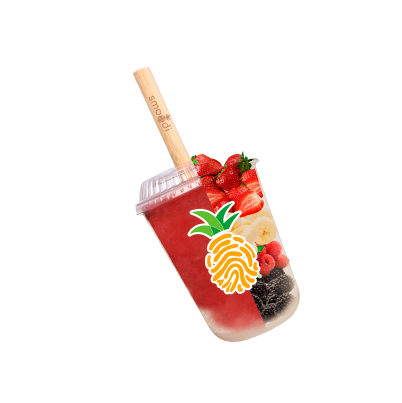
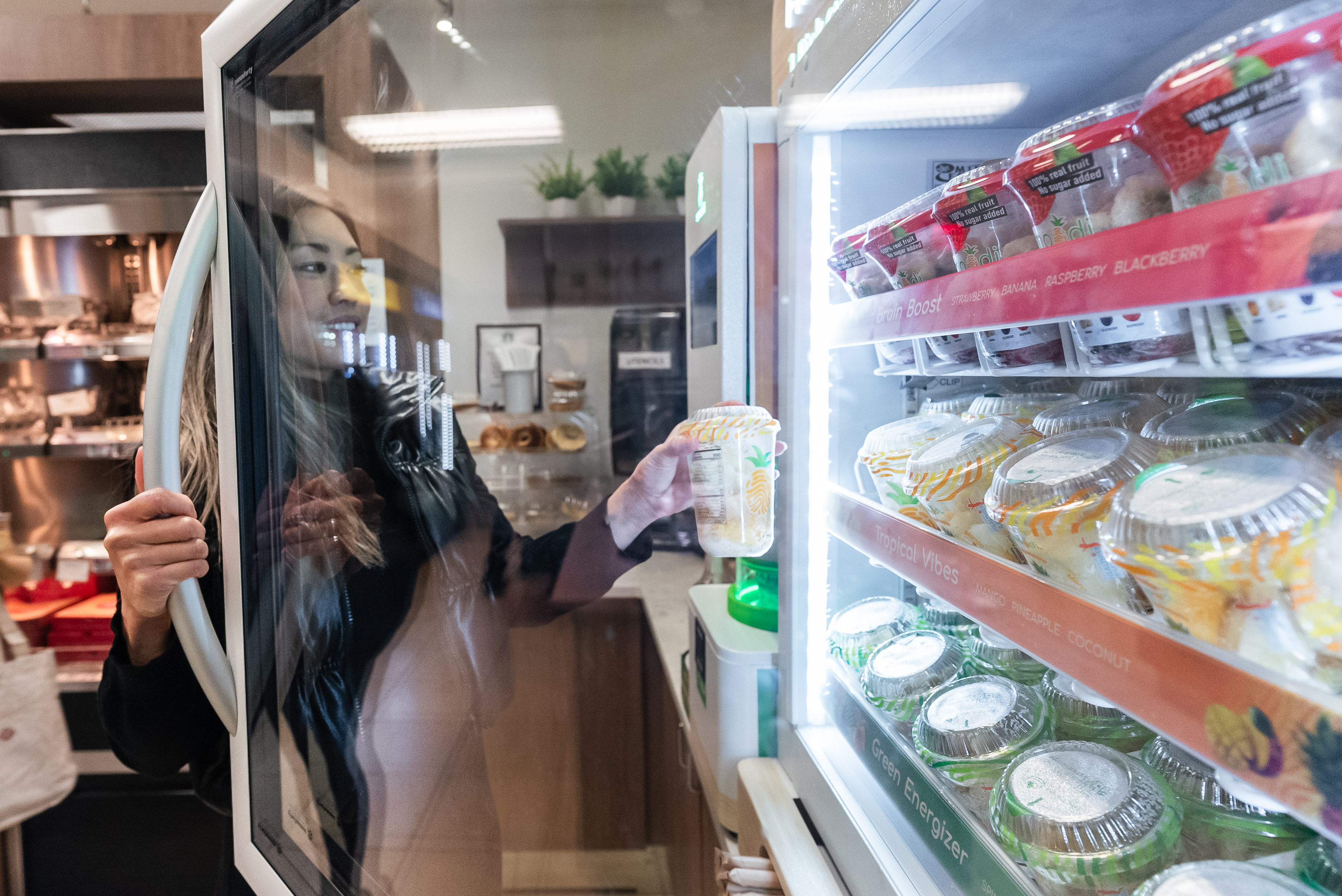
IQF (individually quick frozen) fruit formats represent this category. The individually quick frozen process preserves nutritional content, extends shelf life, and standardizes portion sizes. When blended with water only, the resulting smoothie contains the natural sugars present in the fruit itself, none of which count toward the added sugar cap. This zero-added-sugar profile means the beverage complies with both the product-specific phase one limits and the overall phase two cap automatically.
How Does Smoodi Help Schools Meet Sugar Limits?
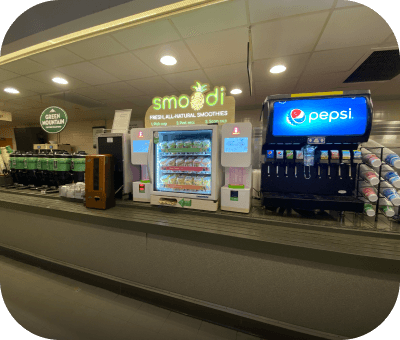
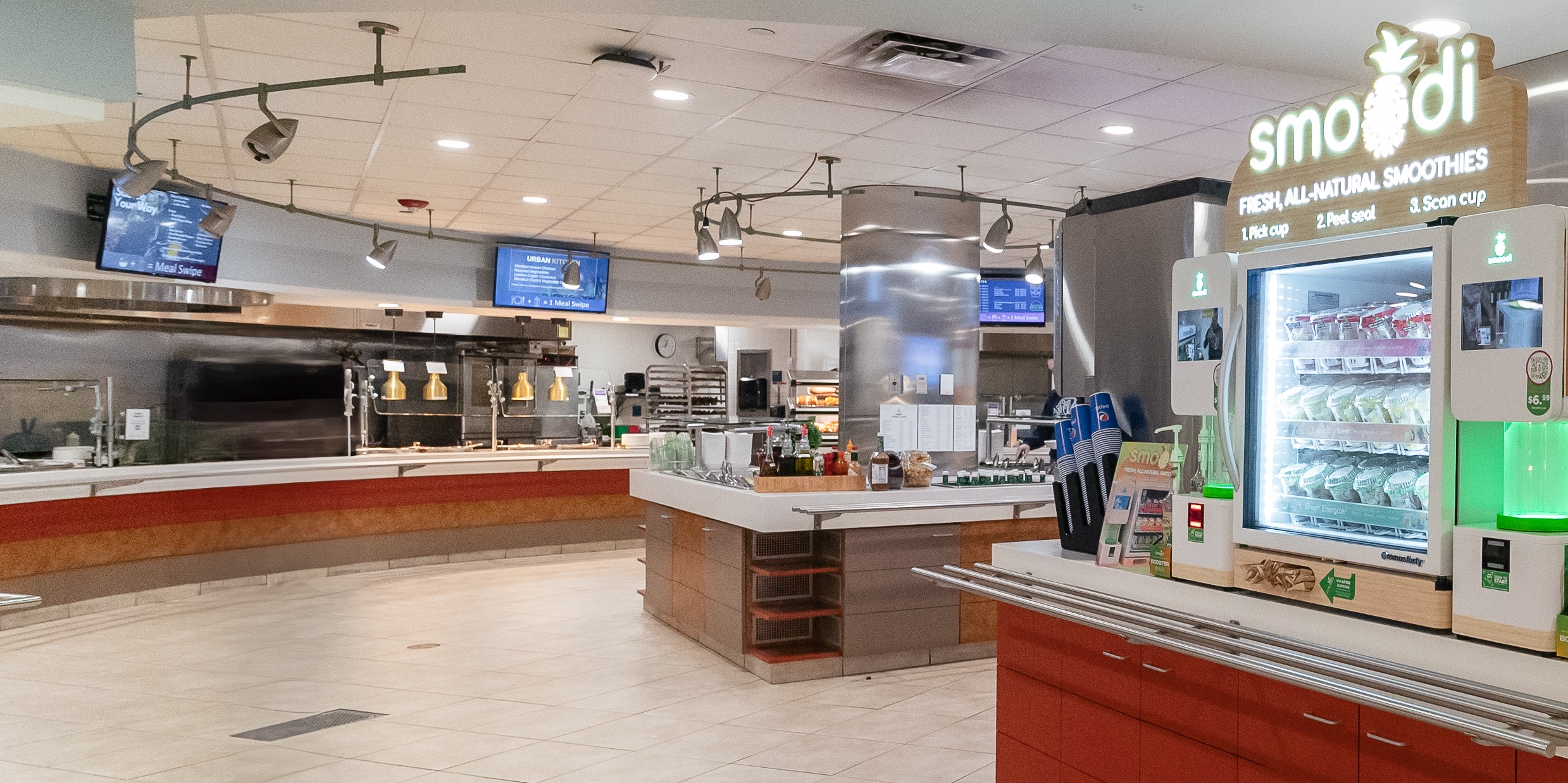
Smoodi's automated smoothie machine uses IQF real fruit cups blended with water only. No syrups, concentrates, or artificial ingredients are added at any point. This means every smoothie served through Smoodi contains zero added sugar by default, meeting every current and upcoming USDA added sugar requirement without reformulation or menu recalculation.
"The investment into smoodi has been phenomenal. We broke even in the first couple of weeks."
— Linda Thacker, Director of Dining Services, Maryville University
The self-service format addresses the labor constraint that many school nutrition programs face. The machine blends a fresh smoothie in under 60 seconds, self-cleans between every use, and requires no dedicated staff. The booster bar offers protein powder, collagen, and other functional supplements, allowing schools to deliver the high-protein, functional options students prefer while maintaining full USDA compliance.
Smoodi operates in more than 300 locations across the United States, with over 2 million smoothies served. The company was founded at Harvard Innovation Labs. IQF fruit cups have a shelf life of up to two years, eliminating the spoilage and seasonal pricing volatility that affect fresh fruit programs. Cups are distributed through Dot Foods, integrating with existing school nutrition supply chains. The operational lease starts at $299 per month for a 48-month term, with a purchase option at $14,999. The compact design requires approximately 40 inches of floor space, making placement feasible in cafeterias, student commons, and afterschool program spaces.
School nutrition directors preparing for the SY2027-28 added sugar cap can explore compliant beverage solutions at getsmoodi.com/get-started.
Ready to bring Smoodi to your location?
Join hundreds of operators delivering fresh, automated smoothies with zero labor.
Get Started