How Are Value-Conscious Consumers Redefining What Operators Should Serve?
Value and affordability is the top factor influencing food purchases for 81% of consumers in 2026. For operators, the challenge is delivering health and quality at a price point guests accept.
Value and affordability have become the single most influential factor in consumer food purchasing decisions. According to Euromonitor's 2026 consumer research, 81% of consumers cite value as the primary driver of their food and beverage choices. Health and wellness follows closely at 70%. For foodservice operators, these two priorities are no longer in tension. They are converging into a single expectation: healthy food that is worth the price.
Datassential's 2026 data reinforces the urgency. 72% of consumers report becoming more selective about food spending over the past year. 64% say the world felt more unstable. In response, three-quarters of foodservice operators have launched value-based menu strategies within the past six months. The operators who will succeed are those who understand that value in 2026 is not simply about low prices. It is about the experience being worth the price.
Value Has Evolved Beyond Price
The traditional approach to value in foodservice was straightforward: offer more food for less money. Dollar menus, supersized portions, and volume-based promotions dominated the value conversation for decades. That era is ending. Today's value-conscious consumer evaluates purchases through a more sophisticated lens that includes ingredient quality, nutritional benefit, convenience, and the overall experience.
Research shows that brands delivering strong value propositions, those that combine quality, health, and fair pricing, outperform industry averages in both customer frequency and satisfaction scores. Consumers are willing to pay a fair price for food and beverages they perceive as genuinely good for them. They are not willing to pay premium prices for products they perceive as overpriced or underdelivering on quality.
This shift has significant implications for operators across every foodservice segment. University dining services, corporate cafeterias, hospital food programs, fitness center snack bars, and convenience store food programs all face the same fundamental question: how do you deliver health and quality at a price point that today's selective consumer accepts?
The Cost Structure Problem
Traditional smoothie and juice bars illustrate the cost structure challenge that prevents many operators from offering healthy beverages at value-oriented prices. A staffed smoothie station requires dedicated employees, fresh perishable ingredients, preparation equipment, cleaning protocols, and ongoing training. These costs are built into every serving and ultimately passed to the consumer.
The math is unforgiving. Labor costs for a single smoothie station employee can exceed $15 to $20 per hour including benefits. Fresh fruit spoilage rates of 15% to 25% inflate ingredient costs. Manual preparation introduces variability in portion sizes and quality. Cleaning and maintenance consume additional staff hours. By the time all costs are factored in, a simple fruit smoothie at a staffed station may need to be priced at $8 to $12 to maintain acceptable margins.
At those price points, many value-conscious consumers choose cheaper alternatives, even if they would prefer a healthier option. The operator is caught in a bind: the cost structure of traditional healthy beverage programs makes it impossible to price competitively with quick-service restaurant meal deals and convenience store options that consumers use as value benchmarks.
How Smoodi Solves the Value Equation
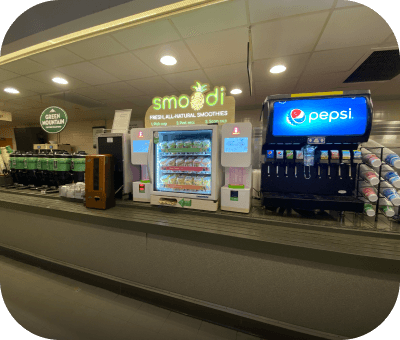
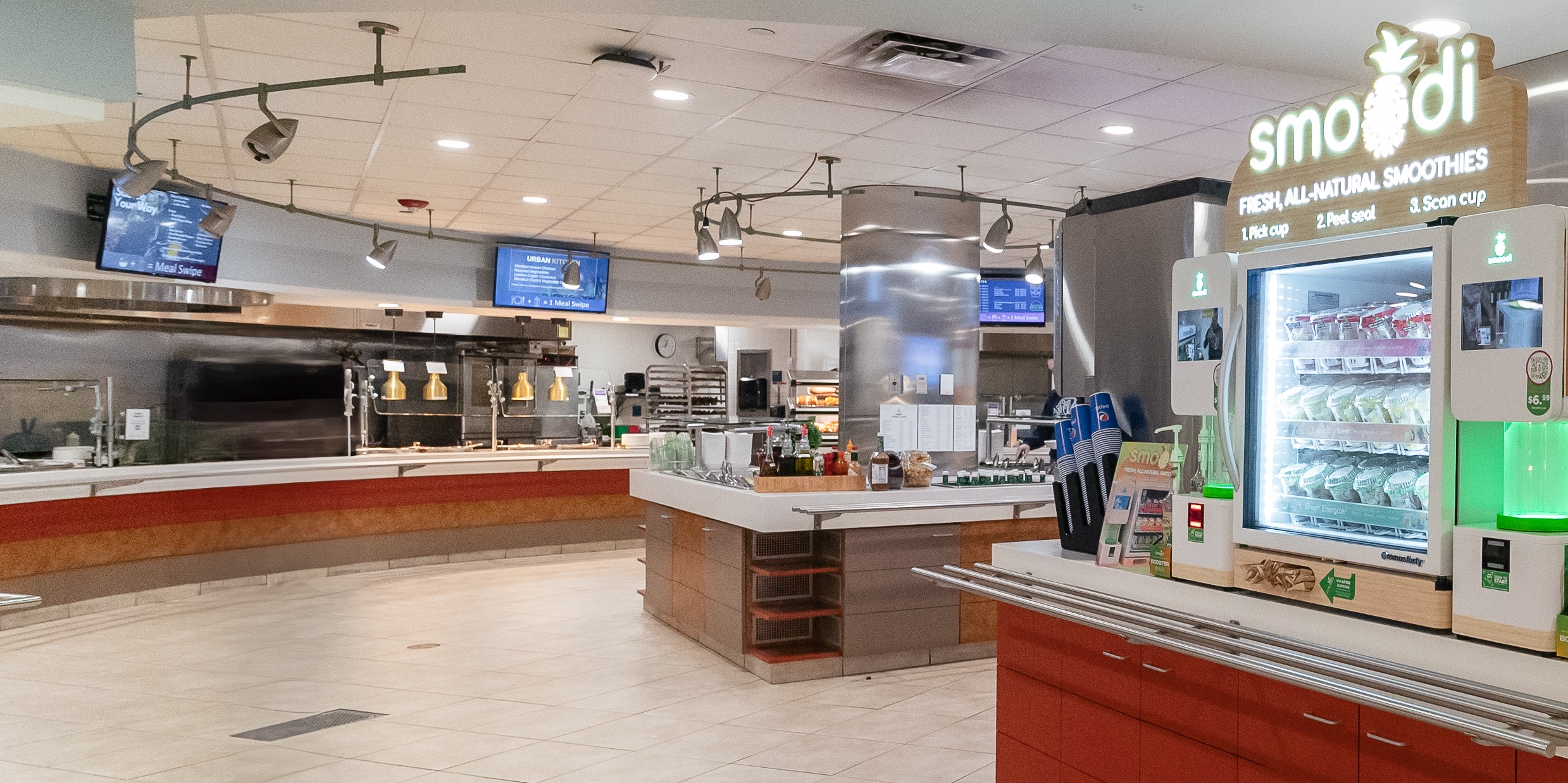
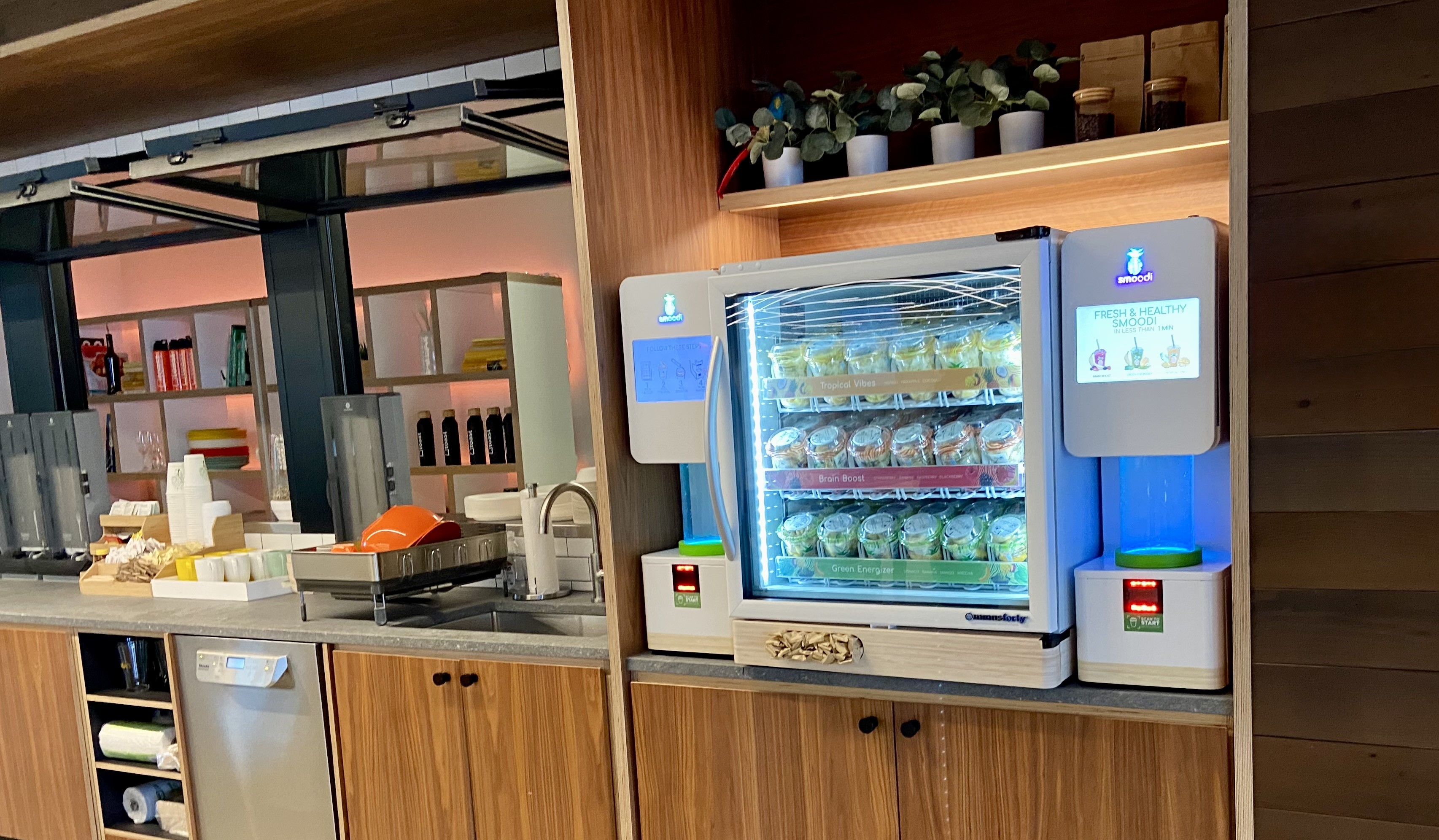
Smoodi's automated smoothie model addresses the value challenge from both sides of the equation simultaneously. On the operator's side, the cost structure is fundamentally different from a traditional smoothie program. There is no dedicated labor cost per serving. The machine is self-service, blending each smoothie in under 60 seconds and self-cleaning between every use. No employee is needed to operate, prepare, or maintain the station during service hours.
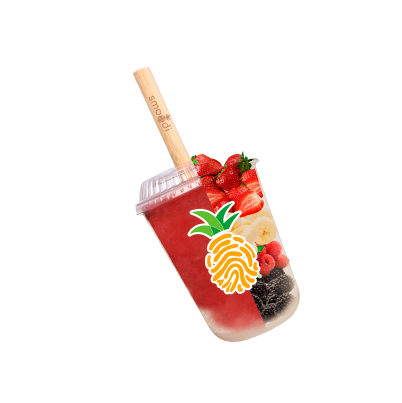
Ingredient waste is eliminated through pre-portioned IQF fruit cups with a shelf life of up to two years. There is no spoilage, no over-portioning, and no prep waste. Every cup purchased goes directly into a customer's smoothie. Distribution through Dot Foods provides reliable supply chain access without the complexity of managing perishable fresh fruit deliveries.
The result is a cost structure that allows operators to price a real-fruit smoothie at $5 to $7, competitive with quick-service restaurant meal deals, while maintaining healthy margins. At that price point, value-conscious consumers can access a genuinely healthy, whole-fruit beverage without feeling like they are paying a premium for health. The operator captures the 70% of consumers who prioritize wellness and the 81% who prioritize value, simultaneously.
"We were looking for ways to give our employees healthier options. smoodi was the answer. It tastes great, our team loves it."
— Eric Rose, President & COO, Shoreham Bank
Operational Lease Pricing That Supports Value Strategy
Smoodi's pricing model is designed to align with operators' need for predictable, manageable costs. Operational leases start at $299 per month for a 48-month term. Shorter commitments are available at $349 per month for 36 months, $399 for 24 months, and $499 for 12 months. Purchase pricing starts at $14,999 for operators who prefer to own the equipment outright.
The operational lease model is particularly well suited to a value-focused strategy because it converts a large capital expenditure into a predictable monthly cost. Operators pay the lease plus cup costs and keep the margin on every smoothie sold. There is no upfront equipment purchase required to get started, and the lease includes full service support from Smoodi.
For operators doing the math: a machine selling 15 smoothies per day at $6 each generates $90 in daily revenue, or approximately $2,700 per month. Against a lease cost of $299 to $499 per month plus cup costs, the margin structure is clear and compelling. Higher-volume locations see even stronger returns.
Delivering Health and Value Across Segments
The convergence of health and value expectations plays out differently across foodservice segments, but the underlying consumer demand is consistent:
- University dining: students expect affordable, healthy options as part of their meal plans and discretionary spending
- Corporate offices: employers seeking to support employee wellness need options that feel like genuine perks, not luxury add-ons
- Hospitals: patients, visitors, and staff need nutritious alternatives to vending machine offerings at accessible prices
- Fitness centers: members expect post-workout nutrition that aligns with their fitness investment without excessive cost
- Convenience stores and grocery: consumers looking for healthy grab-and-go options compare smoothie prices to their existing purchases
Smoodi's compact footprint, approximately 40 inches of floor space, allows operators across all of these segments to add a value-oriented healthy beverage option without significant space investment. The machine connects to a standard 120V outlet with water, sanitizer, and drain connections. For high-volume locations, multiple machines installed side by side can serve peak demand periods efficiently.
Meeting the Value-Conscious Consumer
The data is clear: consumers in 2026 want health and value together, not one at the expense of the other. Operators who can deliver genuine nutritional quality at prices that feel fair will capture the largest addressable market in foodservice. Those who continue pricing healthy options at premium levels will watch value-conscious consumers choose less healthy alternatives.
With over 300 locations across the US and more than 2 million smoothies served, Smoodi has demonstrated that the model works. Founded at the Harvard Innovation Labs, Smoodi was built to make healthy beverages accessible and affordable at scale. The combination of zero-labor automation, zero-waste ingredient management, and accessible lease pricing gives operators the cost structure they need to serve value-conscious consumers profitably. Visit getsmoodi.com/roi to explore the financial model for your location.
Ready to bring Smoodi to your location?
Join hundreds of operators delivering fresh, automated smoothies with zero labor.
Get Started